Zurich-based robotics company Gravis Robotics has raised a $200 million Series A funding round from sole investor SoftBank Group, bringing the company's total disclosed financing to at least $223 million and marking one of the largest single-investor early-stage robotics deals disclosed so far this year.
The scale and structure of the round — a single investor committing $200 million at the Series A stage — is unusual even by the standards of the current capital-intensive robotics and physical AI funding environment, underscoring both SoftBank's conviction in Gravis Robotics specifically and the broader intensity of capital competition for what investors view as category-defining robotics companies.
SoftBank's robotics investment thesis, articulated repeatedly by the firm's leadership over the past several years, centres on the belief that advances in AI reasoning and perception — largely developed and proven within software-only contexts through large language models — are now finally mature enough to be successfully embedded within physical robotic systems capable of navigating genuinely unstructured, real-world environments.
For global robotics investors, the scale and structure of SoftBank's commitment will be closely studied as an indicator of how much conviction capital the sector's most closely watched category leaders can now command, even at the earliest institutional funding stage.
SoftBank's willingness to write a $200 million check as the sole investor in a Series A round reflects the Japanese investment giant's long-standing pattern of making outsized, high-conviction bets in categories it views as strategically important, a pattern established over more than a decade through its Vision Fund investment vehicles. The firm has increasingly directed capital toward robotics and physical AI companies in recent quarters, viewing autonomous physical systems as a natural next frontier following the scaling of large language models and generative AI software.
For Gravis Robotics, the Zurich location places the company within Europe's growing, if still comparatively nascent, robotics innovation cluster, an ecosystem that has historically produced strong engineering talent and academic research output, particularly from institutions like ETH Zurich, but has generally lagged the United States and China in translating that research strength into large-scale, commercially successful robotics companies. A mega-round of this size for a European robotics startup may signal growing investor confidence that this dynamic is beginning to shift.
The robotics sector's funding environment has shifted noticeably over the past eighteen months, with capital increasingly concentrating around a smaller number of companies perceived to have genuine technical differentiation, either through proprietary hardware design, novel training methodologies, or demonstrated real-world deployment traction, rather than being spread more evenly across a larger number of earlier-stage robotics ventures as was more common in prior funding cycles.
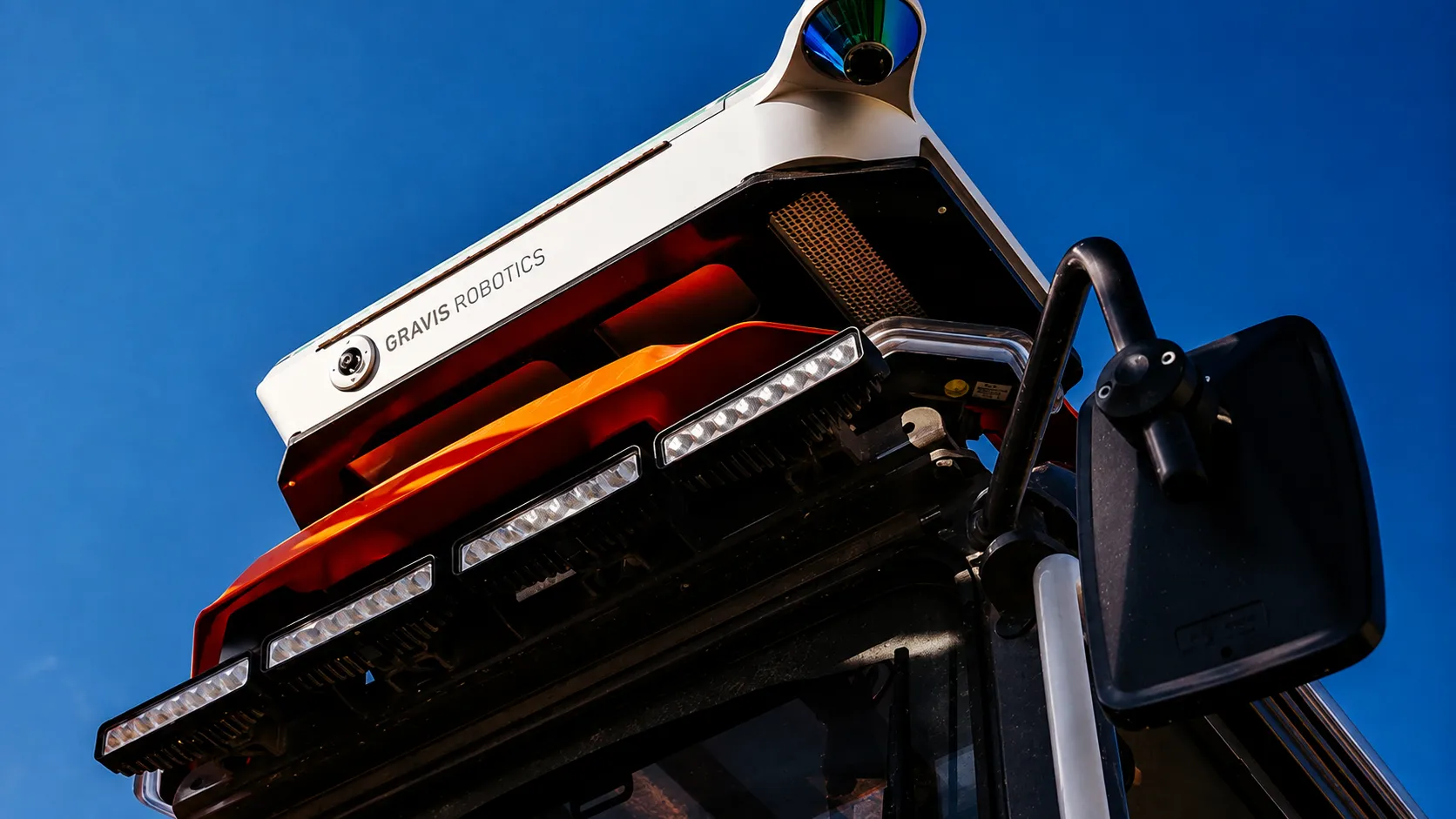
Gravis Robotics' specific technical focus and target application areas have not been extensively detailed publicly, a pattern common among well-funded robotics startups operating in competitive, high-stakes technical categories where premature disclosure of specific technical approaches could provide competitors with valuable strategic information.
Humanoid robotics specifically has attracted outsized investor attention and capital over the past two years, though industry observers note that the broader robotics funding environment, of which Gravis Robotics' raise forms a part, spans a considerably wider range of form factors and application areas beyond humanoid systems alone, including industrial automation, logistics robotics and specialised task-specific robotic systems.
The broader robotics and physical AI funding landscape has heated up considerably over the past year, as investors increasingly view advances in AI reasoning and perception capabilities as finally enabling the kind of general-purpose robotic capability that has been anticipated, but persistently just out of reach, for decades. Venture capital and strategic investment into robotics companies globally has accelerated accordingly, with several companies across humanoid robotics, industrial automation and autonomous logistics securing landmark rounds in recent months.
For SoftBank specifically, the Gravis Robotics investment adds to a growing portfolio of robotics and physical AI bets that the firm's leadership has publicly framed as central to its long-term investment thesis, viewing the convergence of AI software capability and robotics hardware as one of the most significant technology shifts of the coming decade, comparable in scale to the mobile internet and cloud computing transitions that shaped previous investment cycles.
Switzerland's broader robotics and precision engineering ecosystem, anchored by institutions including ETH Zurich and a deep base of industrial engineering talent built up over decades of Swiss manufacturing excellence, has historically produced strong technical founding teams even as the country's venture capital ecosystem has remained considerably smaller and less mature than Silicon Valley's or, increasingly, China's robotics-focused investment infrastructure.
SoftBank's willingness to serve as sole investor, rather than syndicating the round across multiple venture firms, also reflects a broader pattern among the largest, most capital-rich technology investors of preferring concentrated, high-conviction positions in category-defining companies over more diversified portfolio approaches, particularly in capital-intensive hardware categories where the number of genuinely credible investment targets remains relatively limited.
SoftBank's Vision Fund history includes both notable successes and well-documented losses across its technology investment portfolio, a track record that has made the firm's individual investment decisions, including this substantial commitment to Gravis Robotics, subject to close scrutiny from market observers assessing whether the firm's renewed robotics conviction reflects durable strategic insight or a repeat of previous cycles of concentrated, high-risk technology betting.
As Gravis Robotics deploys its newly raised capital, the company's progress will be closely watched as an early indicator of whether Europe's robotics ecosystem can produce companies capable of competing at the global frontier of physical AI, a category increasingly viewed by major investors as one of technology's next great platform shifts.
As Gravis Robotics scales its operations with SoftBank's backing, the company's progress will be watched closely both as a specific investment case study and as a broader indicator of whether Europe's historically underweighted position in global robotics venture funding is beginning to meaningfully shift.
As the broader robotics and physical AI investment cycle continues to accelerate globally, Gravis Robotics' progress in deploying its substantial new war chest will offer investors, competitors and policymakers an important early signal of whether Europe can translate its historically strong engineering talent base into globally competitive robotics commercial outcomes.