Shares of HDFC Bank, India's largest private-sector lender by assets, rose approximately 1.3 percent on September 15, 2026, making the stock one of the few notable gainers on a day when the broader Sensex and Nifty indices closed sharply lower under pressure from surging global crude oil prices and rising US bond yields. The gain came after the bank confirmed it had submitted two candidates to the Reserve Bank of India as part of its ongoing chief executive succession process.
Leadership transitions at India's largest banks are subject to regulatory approval from the Reserve Bank of India, which reviews and clears candidates for the top executive role at scheduled commercial banks before any formal appointment can be finalised. The submission of two named candidates to the regulator marks a concrete procedural step in what has been a closely watched succession process at HDFC Bank, one of the most significant leadership transitions pending across India's banking sector.
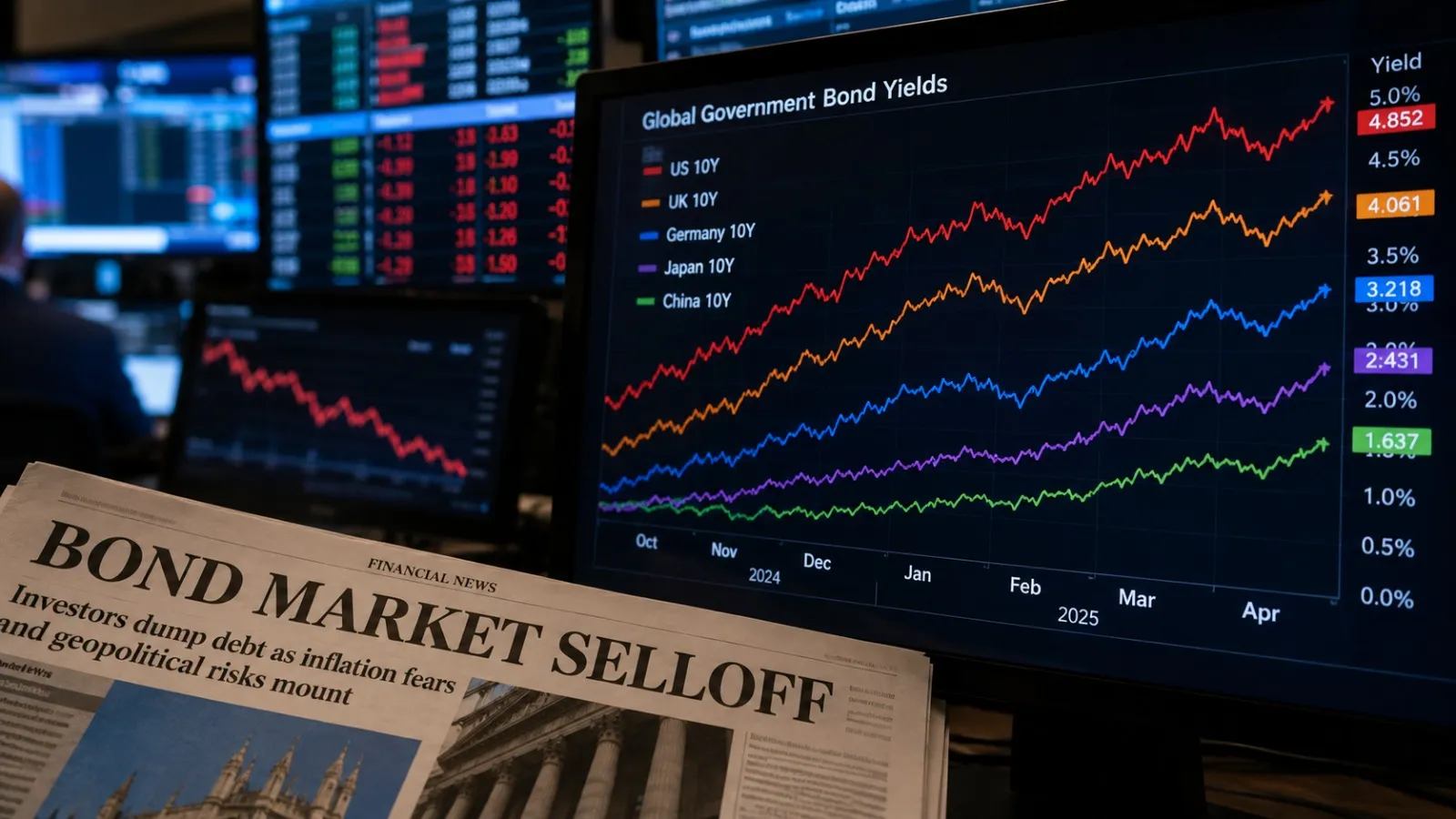
The positive market reaction stands in contrast to the broader tone of Tuesday's trading session, during which the Sensex fell 777.94 points, or 1.04 percent, to close at 74,003.82, while the Nifty 50 dropped 279.50 points, or 1.19 percent, to settle at 23,118.60. Both benchmark indices had opened sharply higher before an afternoon reversal driven by rising crude oil prices amid escalating Middle East tensions and US Treasury yields climbing above 5 percent, a combination that weighed heavily on rate-sensitive and broader market sentiment through the session.
Information technology stocks provided a partial offset to the broader market decline, with HCL Technologies, Infosys, Tech Mahindra and Tata Consultancy Services among the day's stronger performers, benefiting from relative insulation from oil-price sensitivity compared to sectors such as aviation, paints and logistics, which typically see input costs rise alongside crude oil prices.
For HDFC Bank specifically, resolution of leadership uncertainty at the top of the organisation has been viewed by market participants as an important governance milestone, given the bank's systemic importance within India's financial sector following its 2023 merger with parent Housing Development Finance Corporation, which created one of the largest banking entities globally by market capitalisation. Regulatory clearance processes for large bank CEO appointments in India can take several months, meaning Tuesday's submission represents an early but meaningful step rather than a conclusion to the succession process.
With crude oil prices, US interest rate expectations and geopolitical developments in the Middle East continuing to dominate the near-term outlook for Indian equities, stock-specific catalysts such as HDFC Bank's leadership progress are likely to remain the primary source of differentiation between individual large-cap stocks even as the broader market navigates a period of elevated macro-driven volatility.