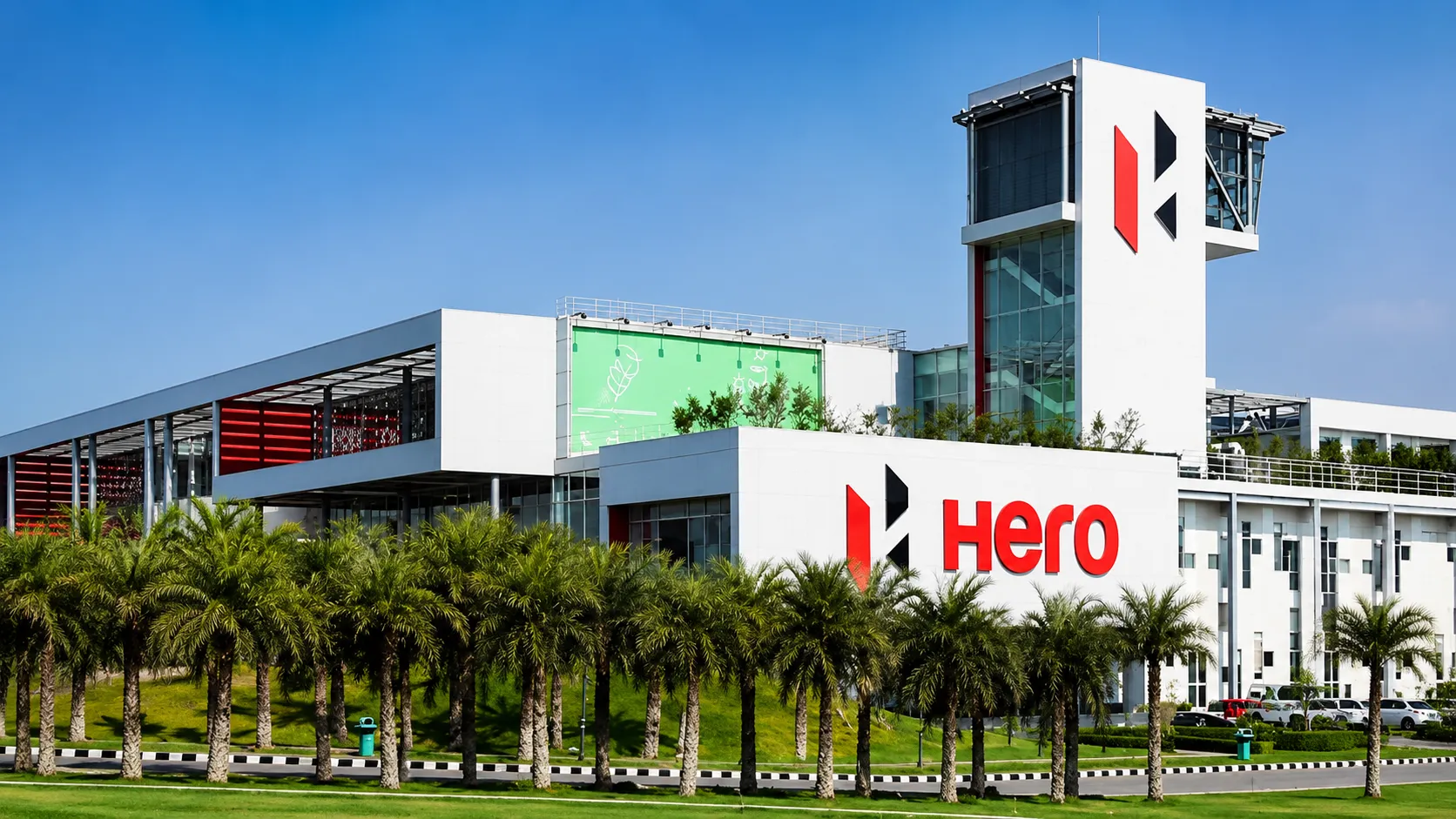
Hero MotoCorp, India's largest manufacturer of motorcycles and scooters by volume, has secured a fresh capital infusion, adding to the company's ongoing investment across both its traditional combustion-engine portfolio and its expanding range of electric two-wheelers.
The development comes at a moment of heightened competitive intensity in India's two-wheeler market, where established players are simultaneously defending share in the still-dominant petrol segment while racing to build credible electric offerings as regulatory and consumer pressure toward electrification continues to build.
For a manufacturer of Hero MotoCorp's scale, capital allocation decisions carry outsized influence over the broader two-wheeler ecosystem, from component suppliers and dealer networks to the pace at which electric vehicle infrastructure — including charging and battery-swapping networks — expands across the country.
The company's dual focus on defending its core petrol business while scaling electric offerings reflects a balancing act common to legacy vehicle manufacturers globally: sustaining near-term cash flow and market share from established product lines while investing sufficiently in newer technology to avoid ceding ground to more electric-focused challengers.
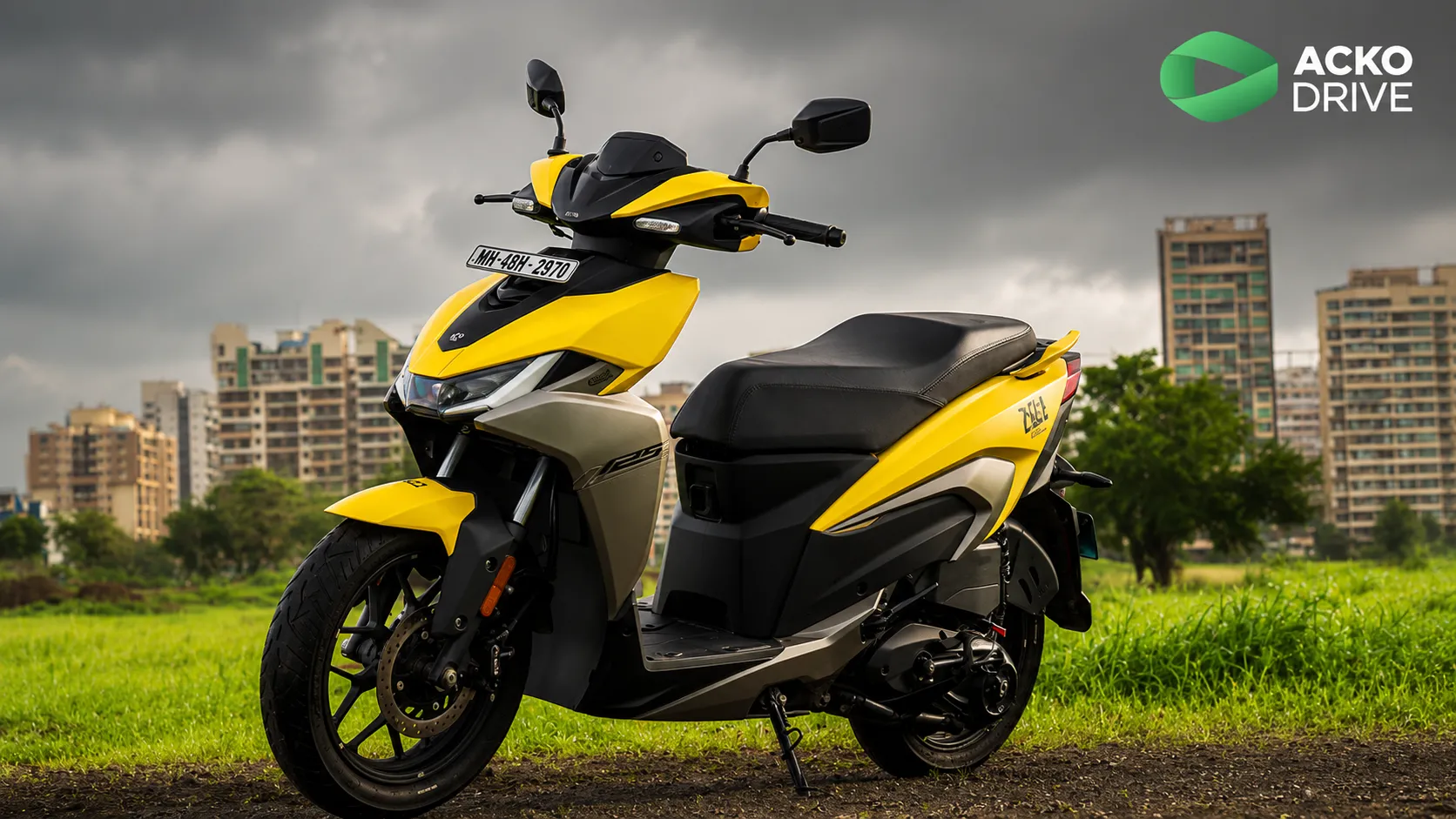
India's overall electric two-wheeler market has shown signs of volatility on a month-to-month basis even as the long-term trajectory toward electrification remains broadly intact, a dynamic that has pushed incumbent manufacturers such as Hero MotoCorp to calibrate investment carefully between near-term market conditions and longer-term strategic positioning.
Industry analysts have generally viewed continued capital deployment by established players as a stabilising signal for the broader two-wheeler sector, particularly at a time when several newer, EV-focused entrants have faced funding and execution challenges of their own.
As India's two-wheeler industry navigates its most significant technological transition in decades, incumbents such as Hero MotoCorp face a narrower margin for error than newer entrants: any missteps in the electric transition carry the risk of eroding decades of accumulated brand loyalty and dealer relationships. The company's continued capital commitment signals its intent to compete aggressively across both the legacy and electric segments of a market that remains, for now, one of the largest and most closely watched two-wheeler industries in the world.