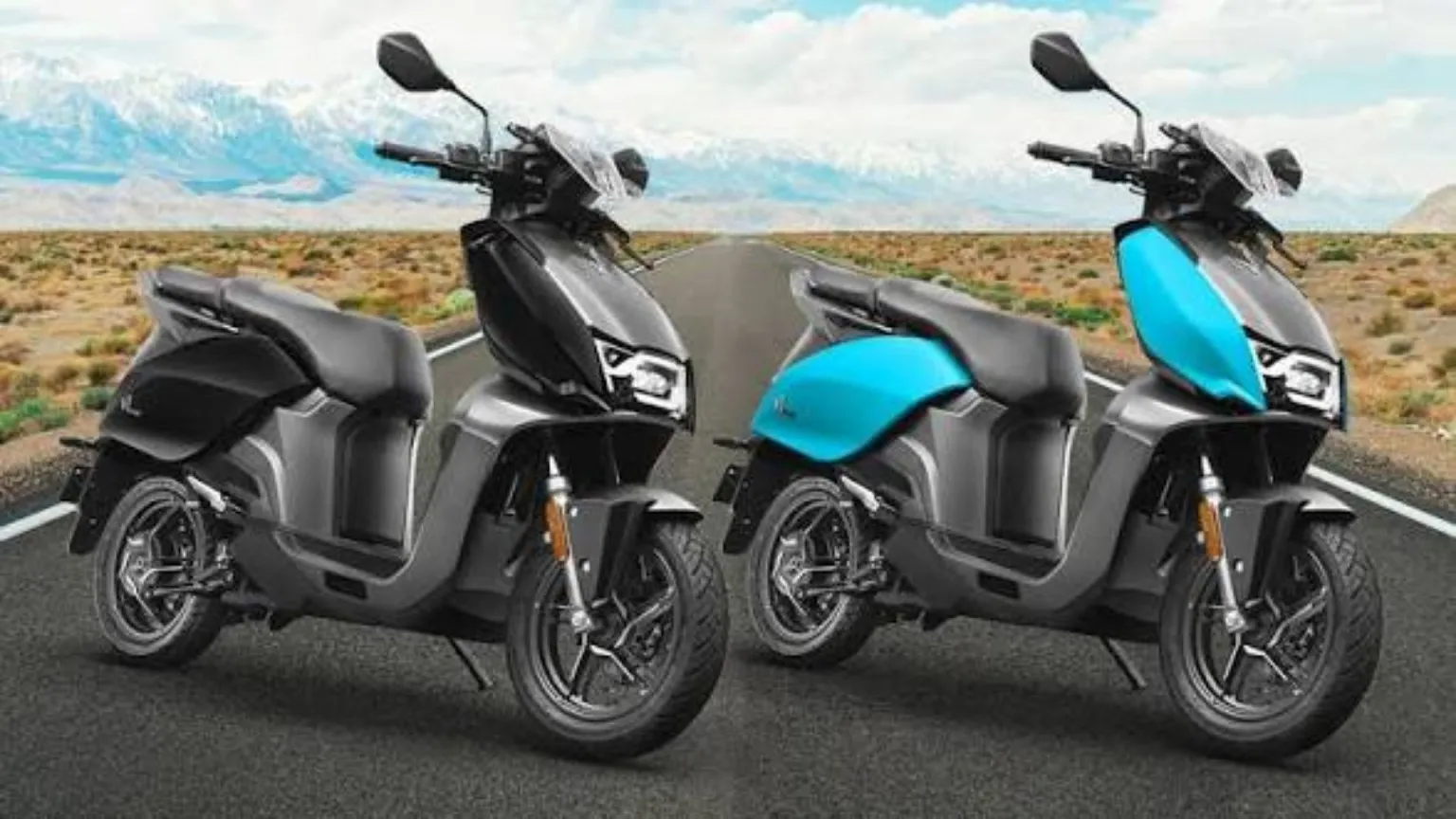
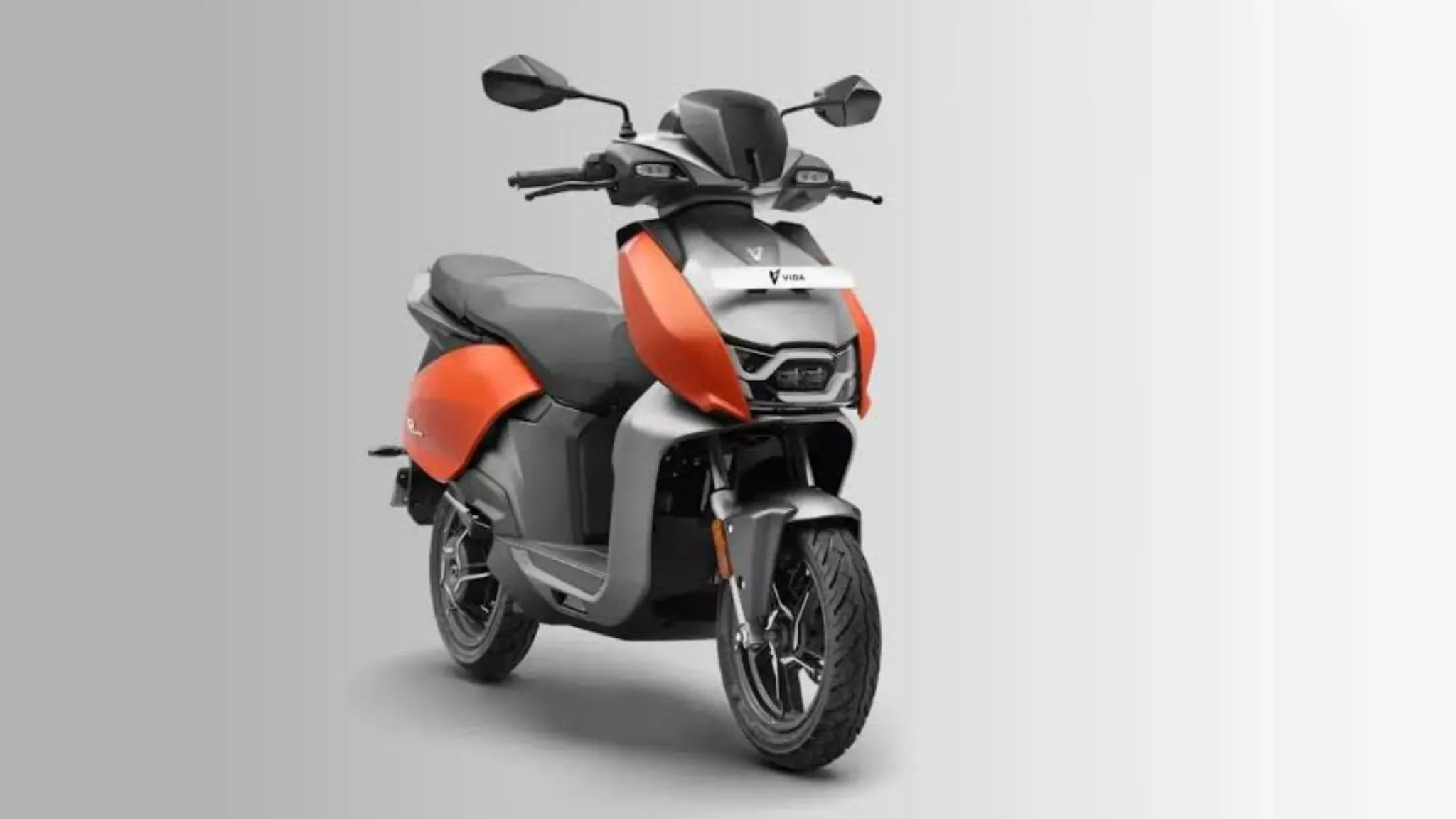
Hero MotoCorp, the Delhi-headquartered manufacturer that has spent much of the past four decades as the best-selling two-wheeler brand in the world by volume, has confirmed plans to launch its first electric motorcycle in 2027. The announcement, made this week, marks a deliberate strategic pivot for a company whose electric ambitions to date have been concentrated almost entirely in the scooter segment through its Vida sub-brand, and signals that Hero now views the motorcycle category — historically the more emotionally and technically demanding half of India's two-wheeler market — as ready for meaningful electrification.
The distinction between scooters and motorcycles matters enormously in the Indian context, where the two body styles have traditionally served different customer psychologies and use cases. Scooters have functioned as the entry point for electric two-wheeler adoption across urban India, prized for their step-through frames, larger under-seat storage and simpler riding dynamics that make them accessible to a broad demographic spanning college students to working professionals. Motorcycles, by contrast, remain the aspirational product category for a large segment of Indian riders, associated with longer commutes, higher performance expectations and a stronger emotional attachment to engine character — qualities that have made the segment considerably harder for electric powertrains to convincingly replicate.
Hero's decision to commit to a 2027 motorcycle launch follows several years of measured, some analysts would say cautious, positioning in the electric two-wheeler race relative to newer entrants. Ola Electric built an outsized share of voice in the category through aggressive direct-to-consumer marketing and a scooter-first product strategy, while Bajaj Auto, TVS Motor and Ather Energy have each carved distinct positioning within the electric scooter segment. None of India's major two-wheeler manufacturers, however, has yet launched a electric motorcycle at meaningful commercial scale, leaving the category as one of the last genuinely contested frontiers within India's broader EV transition — and one where brand heritage, dealer network depth and engineering credibility built over decades could prove decisive competitive advantages.
Hero's own market position gives it a distinctive vantage point from which to attempt this transition. The company continues to command one of the largest dealer and service networks in the Indian two-wheeler industry, spanning both metropolitan centres and the semi-urban and rural markets where internal combustion motorcycles remain deeply entrenched as the default mode of personal transport. Whether that same network, calibrated over decades around the maintenance rhythms of petrol engines, can be adapted efficiently to service electric motorcycles — with their different battery, motor and software maintenance requirements — will be a critical operational test running in parallel with the product's technical development.
Industry analysts tracking India's EV two-wheeler sector note that motorcycle electrification carries distinct engineering challenges beyond those already solved in the scooter segment. Motorcycle riders generally expect higher top speeds, longer real-world range and more aggressive acceleration profiles than scooter customers, all of which place greater demands on battery energy density, thermal management and motor design. Achieving these performance characteristics while keeping the vehicle's price competitive with petrol-powered motorcycles — which remain considerably cheaper to purchase upfront even accounting for their higher running costs — has proven to be one of the more persistent unsolved problems in the global electric motorcycle category, not just in India.
The timing of Hero's announcement also reflects a broader inflection point in India's EV policy and infrastructure environment. The country's charging infrastructure, while still concentrated disproportionately in metropolitan areas, has expanded considerably over the past three years, supported by both public investment and private charging network operators. Battery costs, the single largest input driving electric vehicle pricing, have continued their multi-year decline, even as raw material price volatility periodically disrupts that trajectory. Government incentive schemes at both the central and state level have continued to evolve, with policymakers periodically recalibrating subsidy structures in response to industry feedback and fiscal considerations — a dynamic that manufacturers planning multi-year product launches, such as Hero's 2027 motorcycle, must factor into their commercial planning with considerable uncertainty built in.
Competitive dynamics within the category are likely to intensify considerably between now and Hero's 2027 target launch window. Ola Electric has signalled ambitions to expand beyond its current scooter-dominated portfolio, while newer entrants continue to explore motorcycle-specific electric platforms aimed at both the domestic Indian market and export opportunities across Southeast Asia, Africa and Latin America, where two-wheelers serve as primary transportation for a much larger share of the population than in developed markets. International motorcycle manufacturers with established electric motorcycle programmes in Europe and North America have also shown periodic interest in the Indian market, though import duty structures and the price sensitivity of Indian consumers have historically limited the commercial viability of directly importing premium electric motorcycles built for wealthier markets.
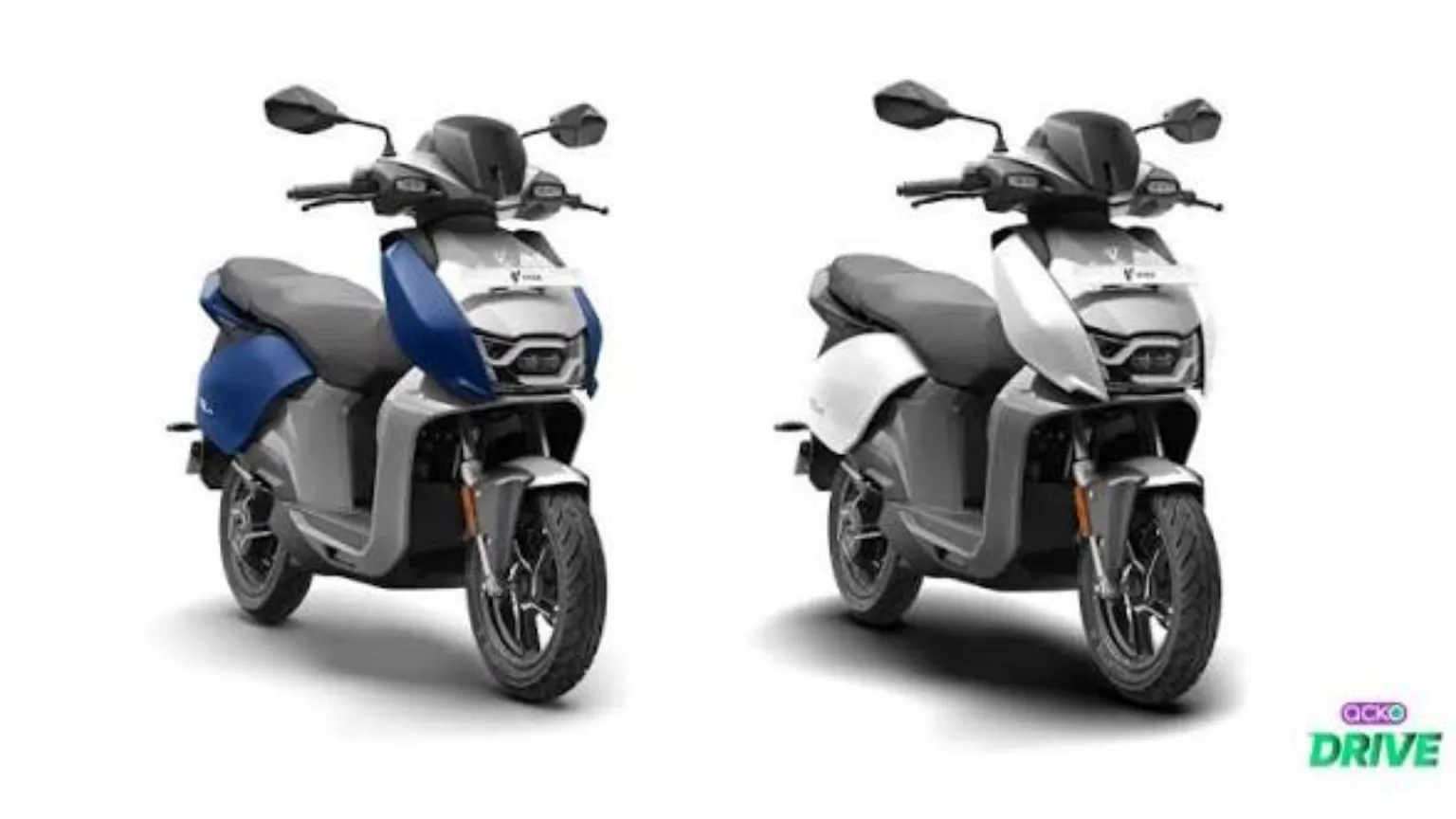
For Hero MotoCorp specifically, the electric motorcycle launch arrives at a moment when the company's overall market position, while still commanding significant scale, has faced increased competitive pressure across both its traditional internal combustion portfolio and its electric scooter business. Vida, Hero's electric scooter sub-brand, has grown its presence in the market since launch but has not yet achieved the kind of category-leading position that Hero's internal combustion motorcycles have long held. A successful electric motorcycle launch could serve a dual strategic purpose: capturing incremental share within a nascent but rapidly growing category, while also reinforcing Hero's broader brand narrative as a credible, technically capable player across the full spectrum of electric two-wheeler formats, rather than one confined to scooters alone.
The announcement is also being read within the broader context of India's stated ambition to accelerate electric vehicle adoption as part of its climate commitments and its strategic push to reduce dependence on imported fossil fuels. Two-wheelers represent an outsized share of India's total vehicle fleet relative to most other major economies, making the category a particularly consequential lever for national emissions reduction efforts. Policymakers have periodically highlighted two-wheeler electrification as a priority area precisely because of this scale effect — millions of daily commuters using two-wheelers as their primary transport mode means that even modest improvements in per-vehicle emissions, multiplied across the fleet, can generate meaningful aggregate impact on urban air quality and national carbon output.
Financial markets have shown measured but attentive interest in the announcement, with analysts covering Hero MotoCorp's stock noting that the company's ability to execute a credible, well-differentiated electric motorcycle launch will likely factor into medium-term valuation assessments as investors increasingly weigh legacy internal combustion manufacturers' EV transition credibility alongside their traditional financial metrics. Hero's leadership has previously emphasised a measured, engineering-led approach to its EV rollout, prioritising product reliability and total cost of ownership over the more aggressive, marketing-forward launch strategies pursued by some newer electric vehicle entrants — an approach that carries both advantages, in terms of long-term brand trust, and risks, in terms of ceding early mover advantage within a category still being actively defined.
The engineering challenge of building a genuinely credible electric motorcycle also extends into areas of vehicle dynamics that scooter platforms have largely been able to sidestep. Motorcycle chassis design, weight distribution and handling characteristics have been refined over more than a century of internal combustion engineering, with riders across India's motorcycle-buying demographic having developed strong, often unconscious expectations around how a motorcycle should feel under acceleration, braking and cornering. Electric powertrains, with their fundamentally different weight distribution given large battery packs typically mounted low in the chassis, and their instant torque delivery characteristics that differ markedly from the more gradual power build-up of internal combustion engines, require manufacturers to essentially reimagine motorcycle dynamics from first principles rather than simply substituting a battery and motor into an existing chassis architecture, a challenge that has proven considerably more technically demanding than many observers outside the automotive engineering community initially appreciated when electric motorcycle development first began attracting serious industry attention.
Hero's rural and semi-urban market presence adds a further dimension of complexity, and opportunity, to its electric motorcycle strategy that distinguishes its challenge from that facing more urban-focused electric two-wheeler specialists. A meaningful share of India's motorcycle demand originates from regions where charging infrastructure remains considerably less developed than in metropolitan centres, and where daily travel distances, often spanning agricultural work commutes and inter-village travel, can exceed the comfortable range envelope of current-generation electric two-wheeler batteries. Successfully addressing this segment of Hero's traditional customer base will likely require not only product-level range and charging speed improvements, but also parallel investment in charging infrastructure partnerships extending well beyond the urban centres where most existing electric vehicle charging network expansion has concentrated to date.
Supply chain considerations also loom large over Hero's electric motorcycle timeline, particularly given the continued global concentration of battery cell and critical mineral supply chains in a small number of countries, a dependency that has periodically created pricing volatility and availability constraints for electric vehicle manufacturers worldwide. India's own efforts to build domestic battery cell manufacturing capacity, including through government-backed production-linked incentive schemes aimed at attracting cell manufacturing investment, remain at a comparatively early stage relative to the scale of manufacturing capacity that countries such as China have already established, meaning that Hero and its industry peers will likely continue relying on a mix of imported cells and gradually maturing domestic capacity as they scale electric motorcycle production toward the 2027 launch window and beyond.
Talent acquisition represents another dimension of Hero's electric transition that has drawn less public attention than its product announcements but arguably carries equal strategic significance. Building competitive electric powertrain, battery management and vehicle software capabilities requires a different mix of engineering talent than the mechanical and combustion engineering expertise that has traditionally anchored Hero's product development organisation, prompting the company, alongside virtually every established automotive manufacturer navigating the global EV transition, to compete for a comparatively scarce pool of electric vehicle engineering talent against both domestic EV specialists and global automotive companies simultaneously scaling their own electrification programmes. How effectively Hero builds and retains this specialised talent base will likely prove just as consequential to its electric motorcycle programme's ultimate success as the capital investment and manufacturing infrastructure decisions that typically receive more public attention.
With roughly two years remaining before the confirmed 2027 launch window, Hero MotoCorp now faces the considerable task of translating its announcement into a genuinely competitive product — one capable of matching the performance expectations motorcycle riders have carried over from decades of internal combustion engineering, while delivering the cost structure and charging convenience that will determine whether India's motorcycle-buying majority is ready to make the same electrification leap that scooter buyers have increasingly embraced. How the company balances those competing demands, and how quickly rival manufacturers respond with motorcycle offerings of their own, will shape one of the more closely watched product races in Indian mobility over the remainder of this decade.
Export potential represents an additional strategic dimension that Hero's leadership is understood to be weighing carefully as it finalises the electric motorcycle's technical specifications and pricing architecture. Two-wheelers remain the dominant mode of personal transport across large parts of Southeast Asia, Africa and Latin America, markets where Hero has historically maintained meaningful export presence for its internal combustion product range and where rising fuel costs and, in some countries, deteriorating air quality have begun generating comparable policy interest in two-wheeler electrification to that seen in India. A successful, cost-competitive Indian-manufactured electric motorcycle platform could position Hero to extend its established export relationships into the electric category, potentially offering a meaningfully larger addressable market than the domestic Indian opportunity alone, though doing so would require the company to navigate the varied and still-evolving regulatory, charging infrastructure and consumer financing environments that characterise each of these individual export markets.
Consumer financing availability is likely to prove just as consequential to the electric motorcycle's eventual commercial success as its underlying engineering, given that a substantial share of India's motorcycle purchases, across both the internal combustion and electric segments, are financed rather than purchased outright in cash. Electric two-wheelers have historically faced somewhat more constrained financing availability and, in some cases, less favourable loan terms than their internal combustion counterparts, reflecting lenders' comparative unfamiliarity with electric vehicle residual value trends and battery degradation risk over a loan's typical multi-year tenure. Hero's scale and established relationships with financing partners built over decades of internal combustion motorcycle sales could provide a meaningful structural advantage in ensuring its electric motorcycle launch is supported by financing products competitive with, rather than more restrictive than, those available for comparable petrol-powered models — a factor that industry analysts increasingly view as just as important to electric two-wheeler adoption curves as the underlying vehicle technology itself.