India's largest two-wheeler maker by volume has reported a strong quarter, helped by recovering rural demand, the start of the festive season and rapid growth in scooters, a segment where it has historically lagged rivals.
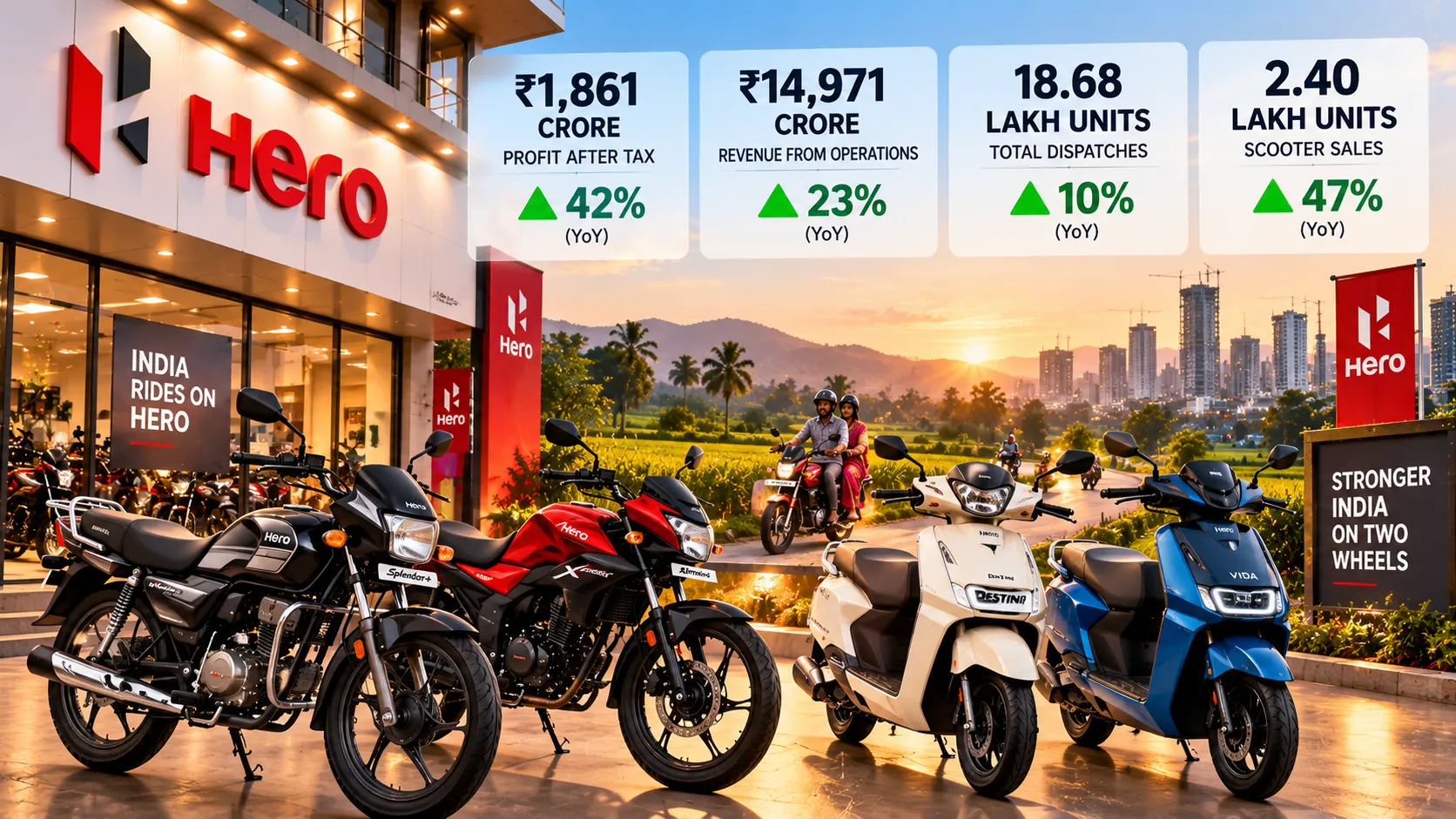
Hero MotoCorp reported consolidated profit after tax of ₹1,861 crore for the July-September quarter, up 42% from ₹1,308 crore a year earlier, according to Upstox on Thursday, October 29. Revenue from operations rose 23% to ₹14,971 crore from ₹12,218 crore.
The profit figure includes a gain of ₹397 crore from the equity consolidation of an associate company. Excluding that one-off gain, profit growth would have been considerably lower, though still positive.
Volumes and scooters
Hero dispatched 18.68 lakh motorcycles and scooters during the quarter, up 10% from a year earlier.
The standout was scooters. Sales rose 47% to 2.40 lakh units, a significant improvement in a segment long dominated by Honda Motorcycle & Scooter India, TVS Motor and, more recently, electric scooter makers such as Ather Energy and Ola Electric. Hero has historically been much stronger in motorcycles, particularly entry-level commuter bikes such as the Splendor.
Growth in scooters is important because the segment is popular in urban areas and among women riders, and it is where much of the transition to electric two-wheelers is taking place.
The rural recovery
Hero's business is heavily weighted towards rural and semi-urban India, where motorcycles are an essential mode of transport. Rural demand has recovered in recent quarters, supported by better farm incomes, government spending and lower taxes on two-wheelers following changes to the goods and services tax regime.
Electric ambitions
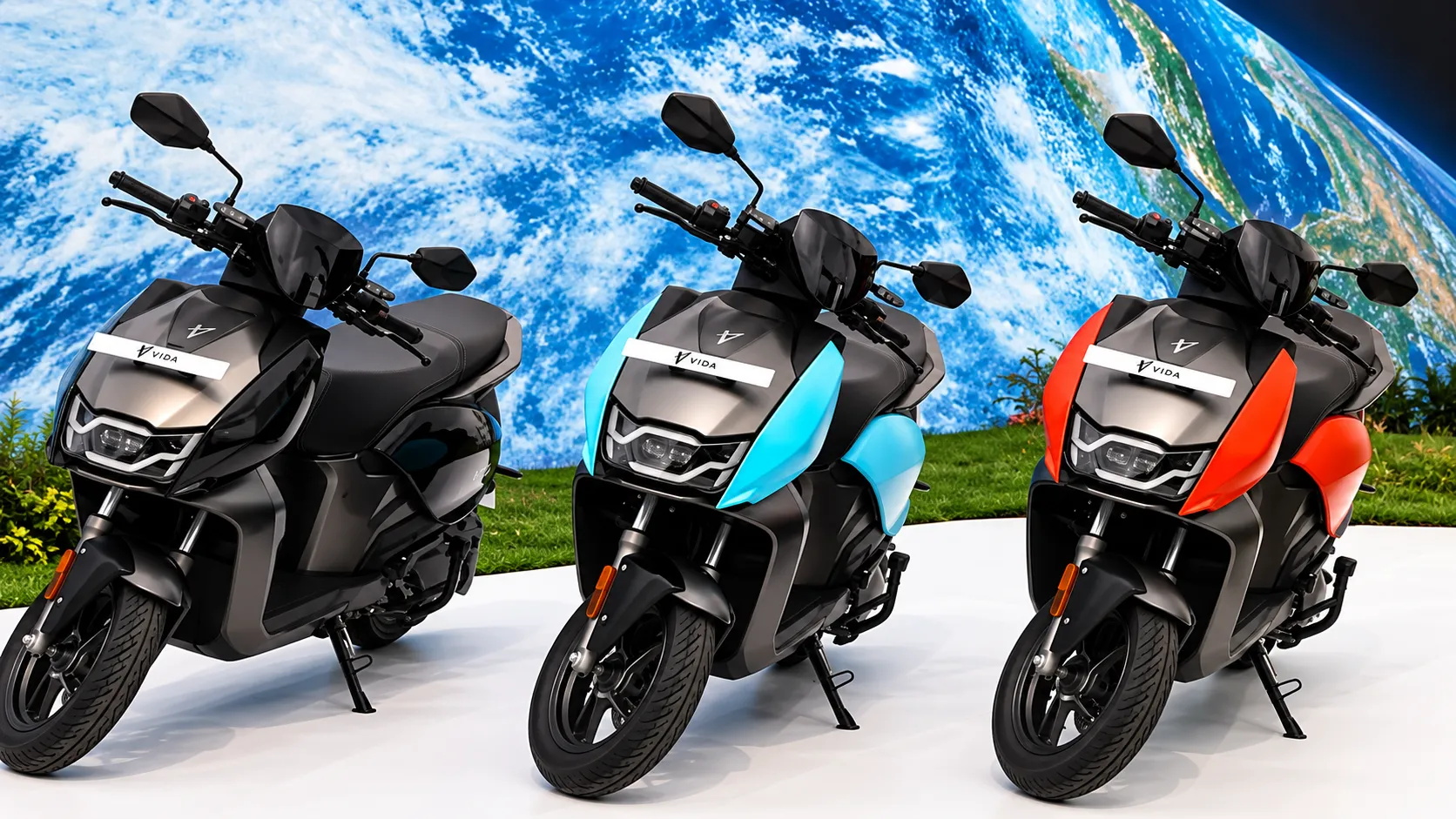
Hero has been building its presence in electric two-wheelers through its VIDA brand. It also holds a significant stake in Ather Energy, the Bengaluru-based electric scooter maker that recently reported its first quarterly profit.
The electric two-wheeler market has become fiercely competitive, with established manufacturers such as TVS Motor and Bajaj Auto gaining share from early leaders like Ola Electric. Hero's strategy combines its own VIDA products with its investment in Ather, giving it exposure to the segment's growth from two directions.
Cost pressures
Like other automakers, Hero faces rising input costs. Prices for steel, aluminium and other materials have increased, and high oil prices raise logistics costs. Revenue growth of 23%, ahead of volume growth of 10%, suggests that higher prices and a richer product mix contributed to revenue, offsetting some of the cost pressure.
Peer comparison
Hero's results come during a busy earnings season for India's automobile industry. Maruti Suzuki reported record sales but a 26% fall in profit, highlighting the cost pressures facing carmakers. Bajaj Auto's shares attracted buying after its results this week.
Two-wheeler makers have generally reported stronger results than carmakers, helped by the recovery in rural demand and lower price points that make two-wheelers more affordable.
The festive season
The September quarter includes the start of India's festive season, when two-wheeler purchases traditionally rise. Navratri, Dussehra and Diwali are considered auspicious times to buy vehicles, and manufacturers typically build inventory ahead of the season. Strong dispatches in the quarter reflect dealers stocking up for festive demand.
The December quarter will show whether retail sales during the festive season matched the strong dispatches.