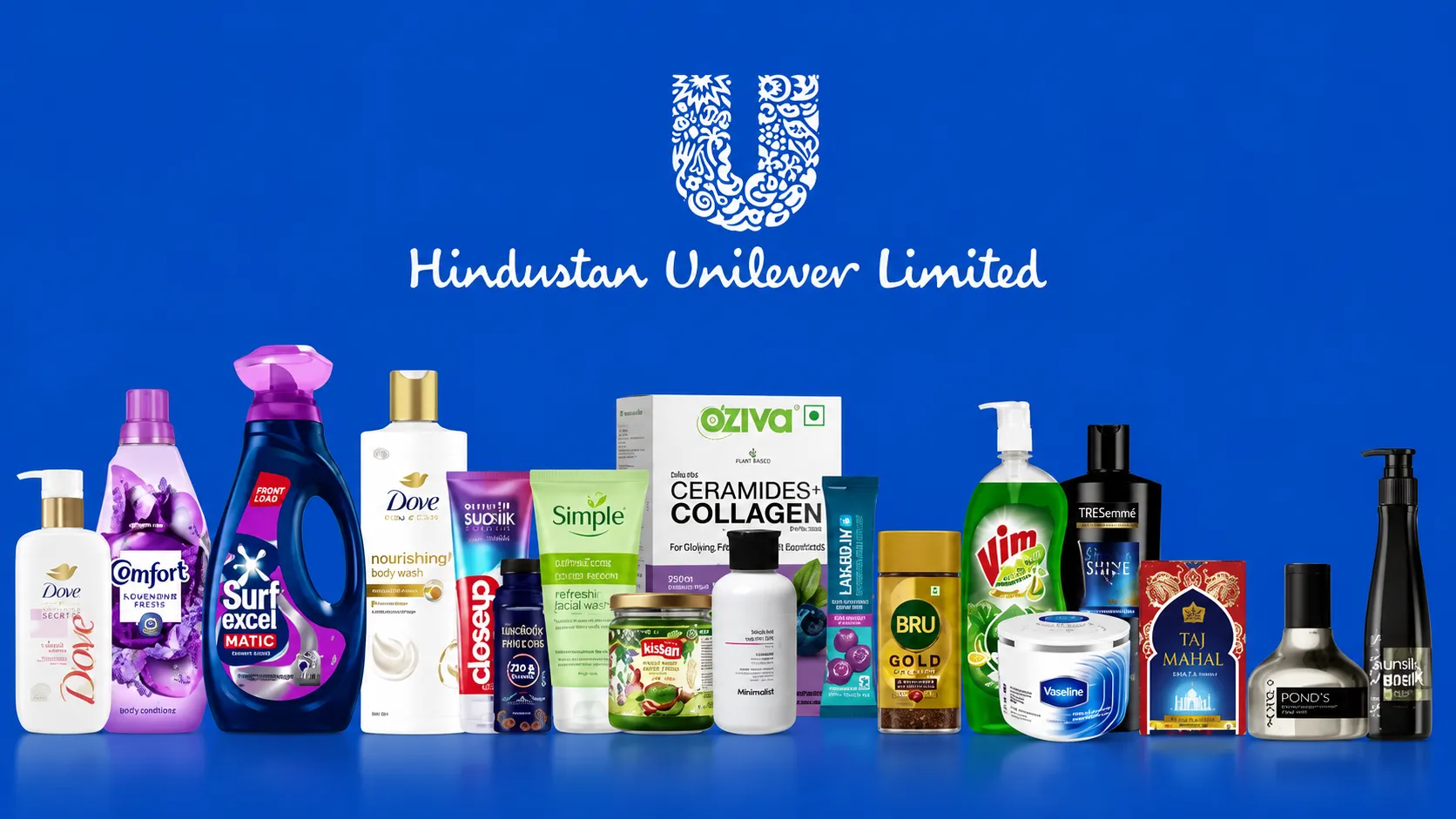
Hindustan Unilever Limited has moved the Delhi High Court against Beco, a Mumbai-based sustainable household products startup, over a comparative advertising campaign that HUL alleges disparages its products. The legal action, filed this week, marks one of the more prominent instances of a legacy FMCG major pursuing formal litigation against a younger, sustainability-positioned direct-to-consumer challenger brand in India.
Beco has built its business around eco-friendly alternatives to everyday household staples — including tissue paper, garbage bags and cleaning products — positioning itself explicitly against conventional, plastic-heavy incumbents in its marketing. It is precisely this kind of direct positioning, common among challenger brands seeking to differentiate on environmental credentials, that appears to have triggered HUL's legal response.
The dispute also arrives at a moment when India's advertising regulatory environment has become increasingly active in policing greenwashing and misleading environmental claims more broadly, adding a further layer of complexity to a case that already sits at the intersection of trademark law, advertising standards and the rapidly evolving commercial dynamics of sustainability-focused branding.
For India's fast-moving consumer goods sector more broadly, the dispute is being read as an early test case for how aggressively challenger brands can position themselves against entrenched incumbents before triggering the kind of formal legal response that can reshape an entire category's marketing playbook.
Comparative advertising disputes are not new to India's fast-moving consumer goods sector, where large incumbents have periodically pursued legal action against both direct competitors and smaller challenger brands over marketing claims deemed disparaging or misleading. What distinguishes this case, according to people tracking the FMCG and startup ecosystem, is the specific dynamic at play: a legacy multinational giant against a relatively young, venture-backed sustainability brand whose entire value proposition is built on positioning itself as a cleaner, greener alternative to companies like HUL.
The case is likely to test the boundaries of what constitutes fair comparative advertising under Indian law, particularly in categories where environmental and sustainability claims — rather than price or performance — form the core of a challenger brand's marketing message. Legal experts note that Indian courts have generally permitted truthful comparative advertising that does not disparage a competitor's product, but the line between legitimate comparison and disparagement can be highly fact-specific and contested.
Legal precedent in Indian comparative advertising disputes has generally drawn a distinction between advertisements that make truthful, substantiated comparisons — even unflattering ones — and those that cross into disparagement by making claims the advertiser cannot adequately support with evidence. Much of the forthcoming litigation is likely to turn on the specific factual claims Beco made in its campaign and whether the company can produce evidence substantiating any environmental or performance comparisons drawn against HUL's products.
Beco has built a loyal, if still relatively niche, customer base by positioning itself explicitly as an alternative for environmentally conscious urban consumers seeking to reduce their household plastic footprint, a positioning strategy that inherently invites comparison with the very incumbent brands it seeks to displace, making legal friction with established players almost a structural feature of its go-to-market approach rather than an isolated incident.
Trademark and comparative advertising disputes of this nature typically proceed through several stages of interim relief hearings before reaching full trial, meaning the Delhi High Court could issue preliminary orders — potentially restricting further airing of the disputed campaign — well before any final judgment on the underlying merits of HUL's claims against Beco.
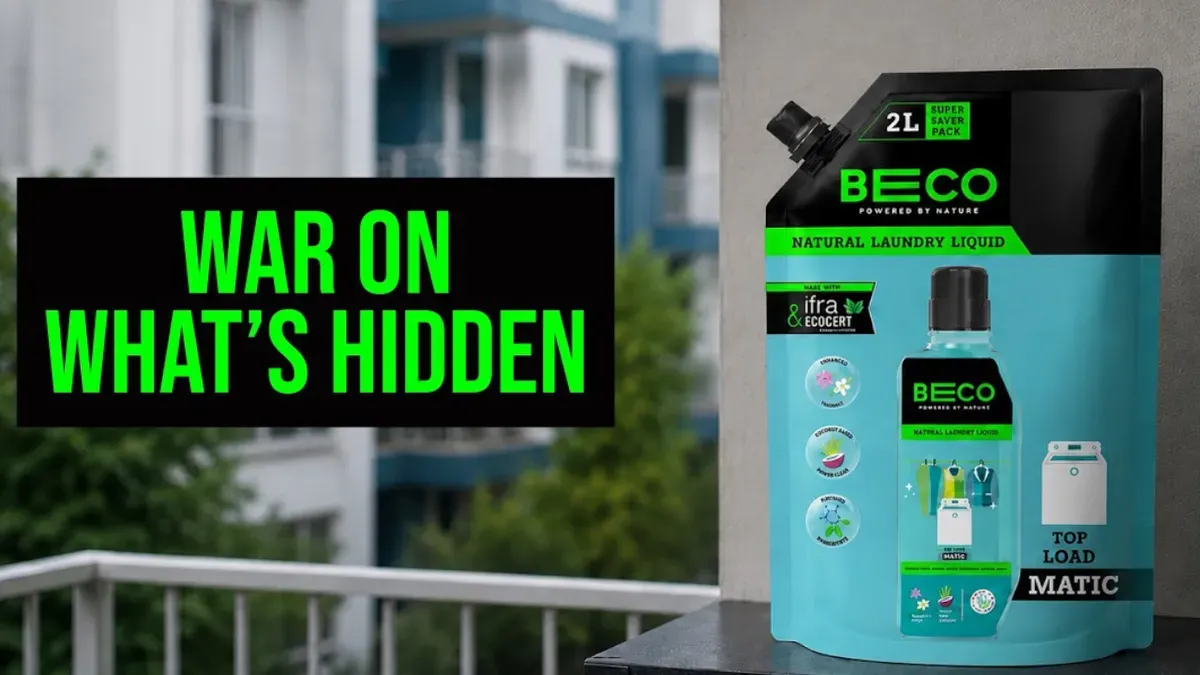
For India's broader ecosystem of sustainability-focused direct-to-consumer startups, the case carries implications beyond Beco itself. Many younger brands in categories ranging from personal care to household essentials have built marketing strategies that explicitly invite comparison with larger, less sustainability-oriented incumbents, betting that increasingly environmentally conscious Indian consumers will respond to direct, sometimes pointed contrasts. A ruling that narrows the scope of permissible comparative claims could reshape how these startups approach marketing going forward.
HUL, for its part, has not publicly detailed the specific advertising elements it considers objectionable beyond confirming that the legal action relates to a comparative campaign run by Beco. The company's decision to pursue court action rather than a more informal resolution suggests it views the marketing claims as a meaningful enough threat to its brand positioning to warrant formal legal recourse, rather than dismissing the challenger brand's campaign as inconsequential noise from a smaller player.
HUL, for its part, operates one of India's largest and most valuable consumer goods portfolios, and the company has historically shown a willingness to pursue legal action to protect brand equity it considers central to its commercial position, viewing litigation as a legitimate and sometimes necessary tool for maintaining marketplace discipline around advertising claims, regardless of the relative size of the company making those claims.
Legal experts following the case note that the outcome could carry implications well beyond the two companies directly involved, potentially influencing how India's Advertising Standards Council and the broader judiciary approach the growing category of sustainability-linked comparative claims, an area of advertising law that has historically been shaped primarily by disputes over price, performance or ingredient claims rather than environmental positioning specifically.
Beco has not publicly detailed its planned legal response to HUL's filing, though the company's marketing strategy to date suggests it is unlikely to retreat entirely from comparative positioning against larger incumbents, given how central that positioning has been to building its brand identity among environmentally conscious Indian consumers since its founding.
As the case proceeds through the Delhi High Court, it will be closely watched not only by the two companies directly involved but by a broader cohort of Indian startups and legacy consumer goods companies navigating an increasingly crowded, increasingly contentious marketing landscape where sustainability claims have become a primary battleground for consumer attention and loyalty.
Regardless of the eventual legal outcome, the case has already drawn attention across India's startup and marketing communities as an early, high-profile test of how far sustainability-focused challenger brands can push comparative positioning before triggering formal legal consequences from the incumbents they are targeting.
Both companies now face a lengthy and closely watched legal process, one that will be scrutinised not only for its eventual outcome but for the broader precedent it may set regarding how India's courts balance legitimate market competition against a large incumbent's right to protect established brand equity from pointed challenger positioning.