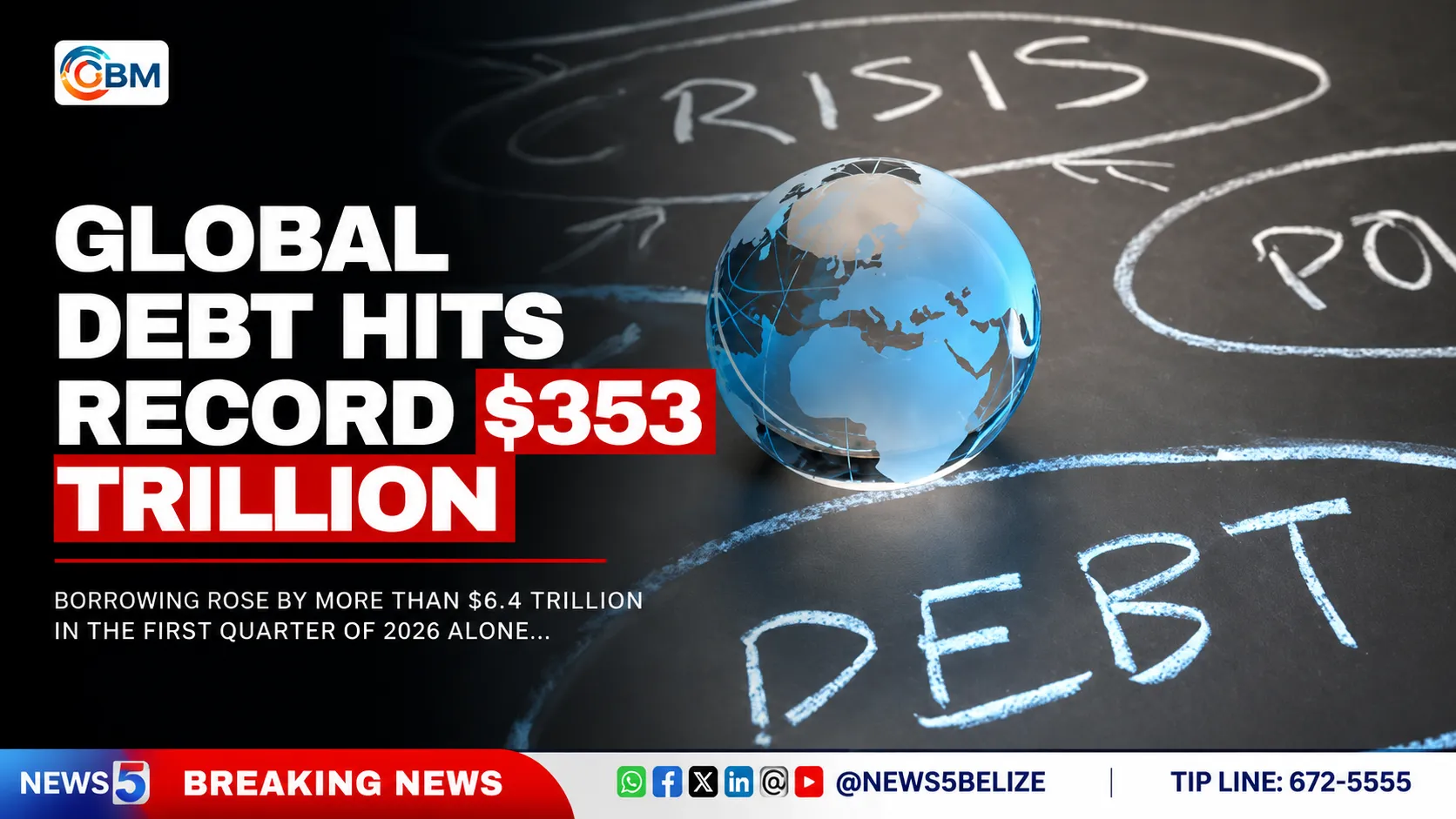
The world’s debt pile has climbed to a new record. Global debt rose by more than $10 trillion in the first half of 2026 to exceed $365 trillion, driven largely by emerging markets, the Institute of International Finance said in its latest Global Debt Monitor released on Wednesday, September 23.
The increase was substantial, but it also marked a slowdown. The first-half rise was less than half of the $21 trillion added in the same period of 2025, according to the IIF, as higher interest rates, rising debt-servicing costs, surging energy prices and the conflict involving Iran weighed on borrowing activity.
Emerging markets lead the increase
Emerging markets accounted for the bulk of the rise. Debt in emerging economies climbed by $6.5 trillion to more than $110 trillion, with China leading the increase, the IIF said, according to Reuters.
Excluding China, debt across emerging and developing economies rose by about $1.7 trillion in the first half to a record $38 trillion, Reuters reported. Emerging-market sovereign Eurobond issuance is running at a record pace, led by Mexico, Saudi Arabia, Poland and Turkey, while a softer dollar and continued carry trades supported demand for local-currency assets earlier in the year.
In advanced economies, debt accumulation slowed sharply. Governments and non-financial corporations accounted for most of the global increase, with both sectors reaching new record levels.
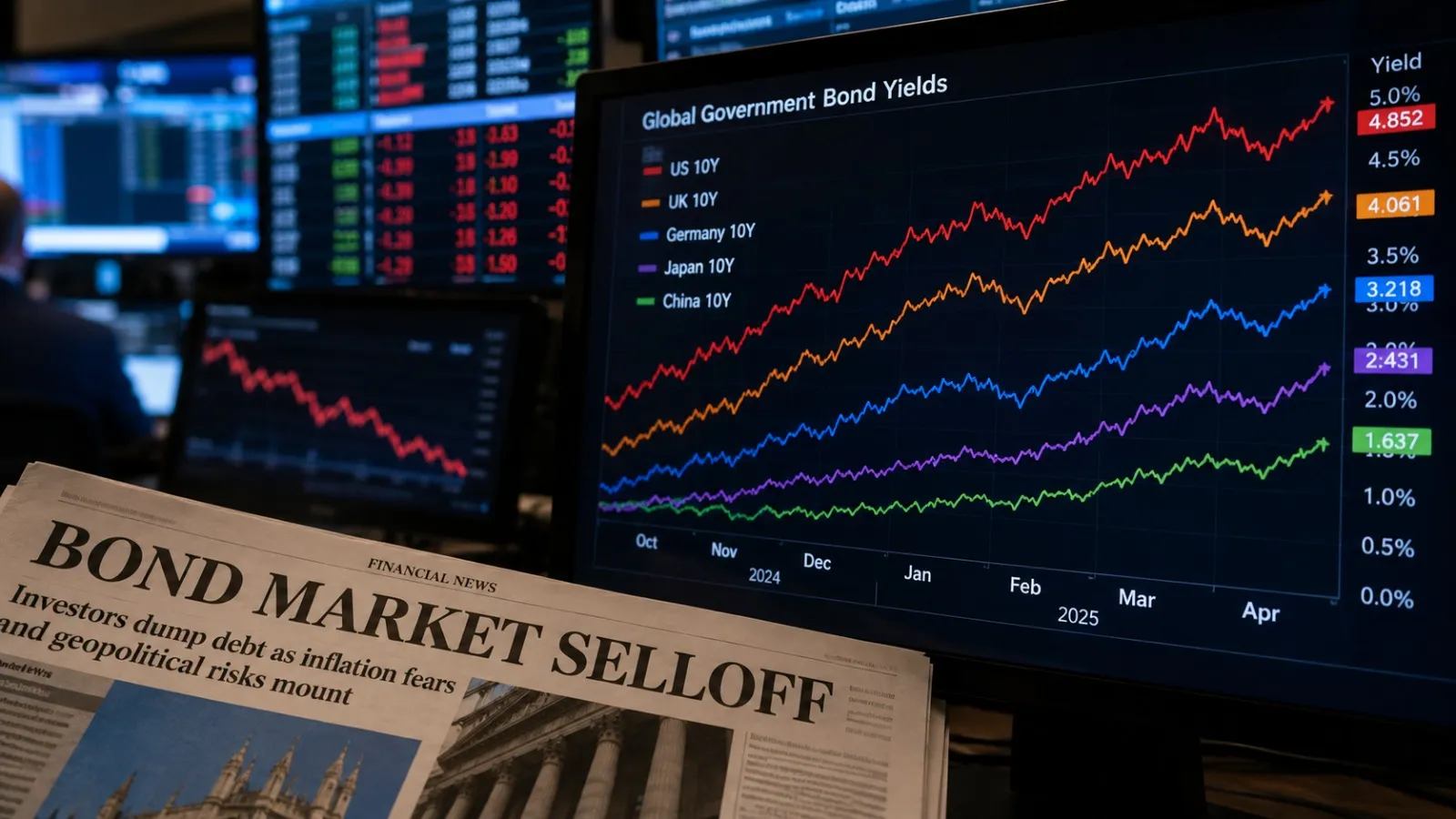
The new figure also comes as markets are already grappling with a sharp repricing of government bonds in several major economies.
The interest bill
The report’s most striking finding concerns the cost of servicing that debt. Average government borrowing costs across Group of Seven economies were at their highest since mid-2008, and annual interest expenses were nearly 85% higher, the IIF said.
Advanced economies paid more than $3.3 trillion in interest on internationally traded government bonds over the past year, according to the report. That exceeds estimated global spending on artificial intelligence of $2.6 trillion, defence spending of $3.1 trillion and clean-energy spending of $2.3 trillion, the IIF said, as reported by Reuters.
The comparison illustrates a growing policy dilemma. Governments face mounting demands to invest in defence, energy security, technology and ageing populations. Yet a rising share of public budgets is being absorbed by interest payments — money that cannot be spent on those priorities.
A misleading ratio
Global debt stood at about 310% of gross domestic product, some 25 percentage points below its early-2021 peak, the IIF said. At first glance, that decline might suggest the world is deleveraging.
The IIF cautioned against that interpretation. The lower ratio largely reflects inflation lifting nominal GDP rather than genuine debt reduction, it said. When prices rise, the nominal size of economies grows, which mechanically reduces debt-to-GDP ratios even if the amount of debt is increasing in absolute terms.
AI borrowing enters the picture
The report also highlighted the growing role of borrowing linked to artificial-intelligence investment. US non-financial corporate debt reached $24 trillion, while private-credit loans now account for more than 5% of that debt, up from roughly 1% in 2014, Reuters reported.
Technology companies and data-centre developers have been raising large sums to finance AI infrastructure, including through bond markets and private credit. The IIF said there was little evidence so far that AI-related borrowing had crowded out US Treasuries or emerging-market issuers, but noted that growing long-dated corporate issuance could eventually add upward pressure to long-term Treasury yields.
That observation is timely. On the same day the report was released, US Treasury yields climbed to their highest levels in nearly two decades after strong economic data and a weak five-year note auction.
A wall of maturities
Refinancing risk is another concern. Forbes, citing the IIF’s analysis, reported that a wall of maturing debt totalling more than $30 trillion across mature and emerging markets poses significant refinancing challenges, with costs potentially rising sharply for borrowers who locked in low rates in earlier years.
When debt taken on at low interest rates matures, it must be refinanced at prevailing rates. For governments and companies that borrowed cheaply in the years before 2022, refinancing at today’s levels could significantly increase interest costs, squeezing budgets and profit margins.
Implications for emerging markets and India
For emerging markets, the picture is mixed. Strong investor demand and relatively tight credit spreads have allowed many governments and companies to borrow at record pace. But higher US yields and a stronger dollar raise the cost of new borrowing and can trigger capital outflows, particularly for countries with large external financing needs.
India has generally relied more on domestic borrowing than many emerging-market peers, which reduces its exposure to external refinancing risk. Still, higher global yields can influence domestic interest rates, foreign portfolio flows and the rupee — all of which matter for Indian borrowers and investors.
Why it matters
The IIF’s findings underline a central challenge for the global economy in 2026: the world is carrying more debt than ever, and it is becoming more expensive to service. The era of near-zero interest rates that made heavy borrowing manageable has ended, and higher energy prices and geopolitical tension are complicating the inflation outlook.
For policymakers, the choices are difficult. Cutting spending or raising taxes to reduce deficits can weigh on growth, while continued borrowing adds to the interest burden. For investors, rising debt-servicing costs are a reminder that fiscal risks — once seen primarily as an emerging-market concern — are now central to the outlook for advanced economies too.
How governments manage that burden in the coming years will shape interest rates, currency movements and the capacity of economies to invest in the priorities that will define the next decade, from artificial intelligence and energy security to defence and climate resilience.
What investors should watch
The IIF’s data point to several indicators that investors and policymakers will monitor closely: the pace of government bond issuance in the US and Europe, demand at sovereign debt auctions, spreads on emerging-market debt and the growth of private credit tied to AI infrastructure. A disorderly rise in yields across these markets would test the resilience of borrowers that have so far absorbed higher costs.