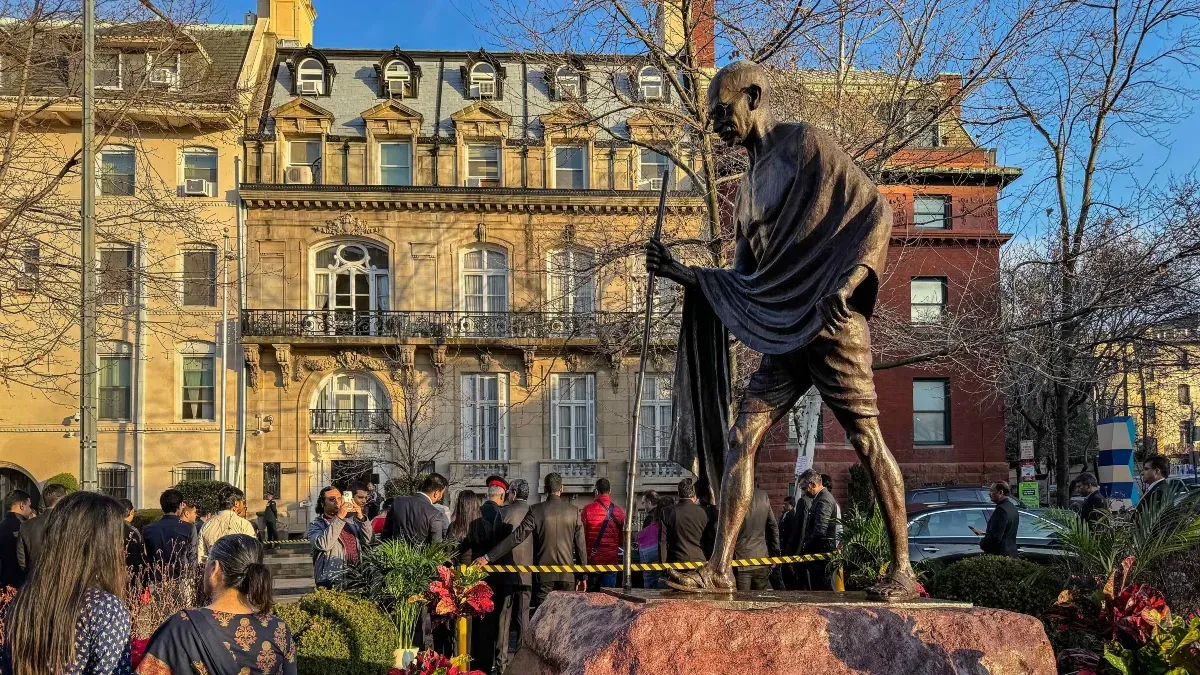
The Embassy of India in Washington, D.C. is preparing to host an orientation session aimed at Indian students beginning their academic careers at American universities this fall, according to the Embassy. The session is designed to walk incoming students through the practical and procedural realities of transitioning into US academic life — from adjusting to a new education system to understanding what consular support remains available to them once they arrive.
According to the Embassy, the orientation will cover three broad areas: academic transition, consular support, and recent developments in US immigration policy relevant to international students. That last category has taken on particular weight in 2026, a year in which shifting visa-processing timelines, expanded social-media vetting requirements for visa applicants, and a series of other regulatory changes have made pre-departure preparation more consequential than in previous admissions cycles. For many incoming students and their families, understanding these shifts before arrival — rather than discovering them mid-semester — can materially affect how smoothly the transition unfolds.
India remains one of the largest single sources of international students in the United States, with hundreds of thousands of Indian nationals enrolled across American undergraduate, graduate and doctoral programmes in any given year, spanning fields from computer science and engineering to business, public health and the liberal arts. The Embassy and its network of consulates general across the US — in Atlanta, Boston, Chicago, Houston, Los Angeles, New York, San Francisco and Seattle — have increasingly built out structured student-facing programming, including registration portals, engagement databases and periodic briefings, to serve this population beyond routine passport and visa services.
That infrastructure reflects a broader recognition, echoed by Indian diplomatic missions in Washington and beyond, that international students represent both a significant population needing consular support and a long-term strategic asset for India-US relations. Briefings of this kind typically address logistical concerns — arrival procedures, housing, banking, health insurance — alongside more consequential guidance on maintaining lawful immigration status, understanding work-authorisation rules such as Curricular Practical Training and Optional Practical Training, and knowing where to turn for consular assistance in the event of an emergency while enrolled far from home.
The orientation also comes at a moment when the H-1B visa pipeline that has historically absorbed large numbers of Indian STEM graduates after they complete their US degrees remains a subject of active policy debate in Washington, adding to the incentive for incoming students to arrive with a clearer picture of the regulatory landscape they will eventually navigate after graduation, not just during their studies.
For students arriving without family already established in the US, sessions of this kind — hosted directly by their government's diplomatic mission rather than left solely to individual university international-student offices — offer a degree of continuity and an authoritative point of reference on immigration matters that complements, rather than replaces, the orientation programming most US universities already run for incoming international cohorts.
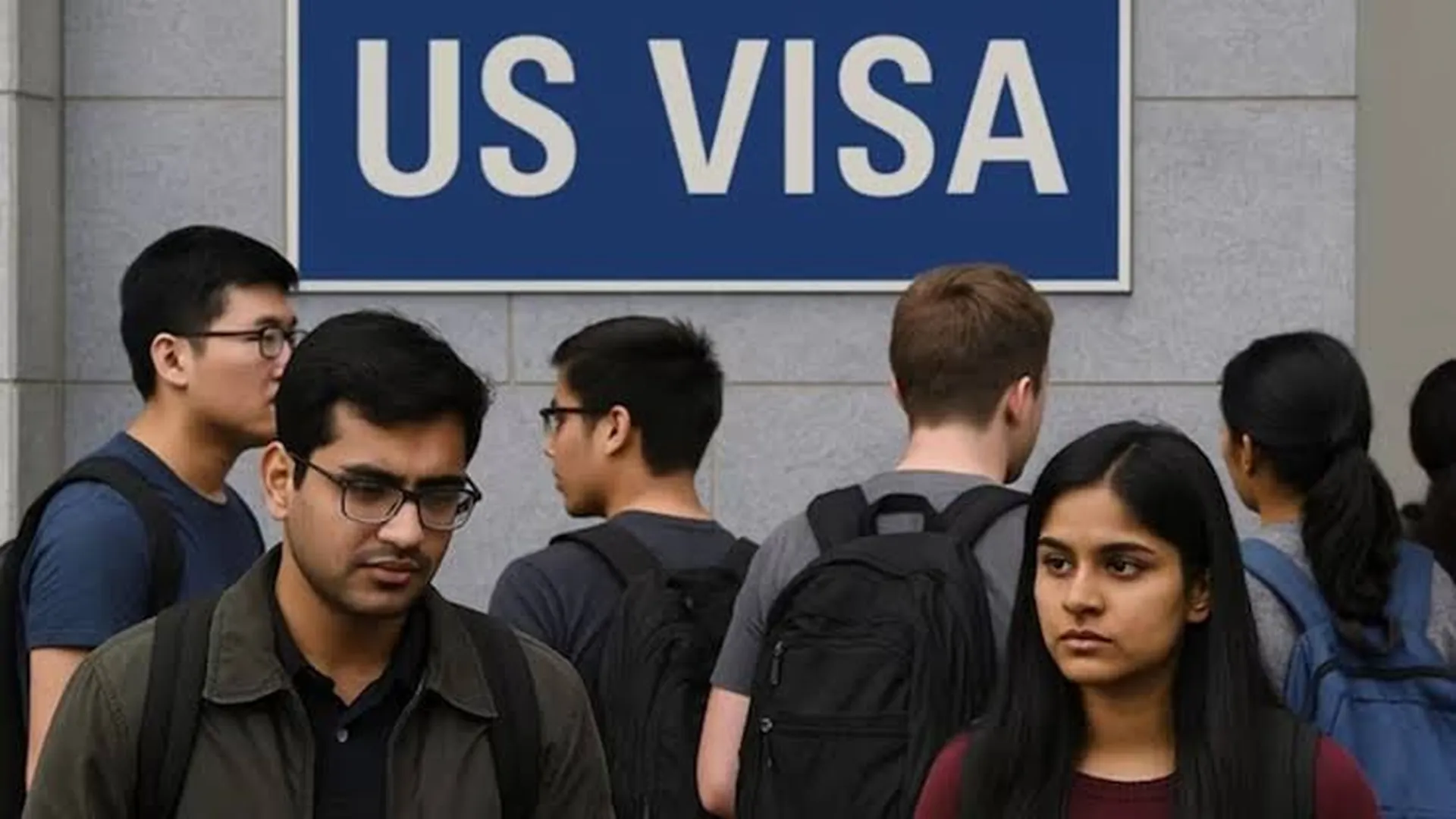
As the fall semester approaches and a new wave of Indian students prepares to arrive on American campuses, the Washington embassy's orientation adds one more layer of institutional support to a student population that continues to anchor a significant part of the broader India-US educational and, eventually, professional relationship — one that stretches from freshman dormitories to, for many, careers in American industry and academia years later.
Diplomatic-mission-led orientation programming of this kind has become more common across Indian missions abroad in recent years, running alongside — rather than replacing — the pre-departure briefings organised in India itself by bodies such as EducationUSA, the US State Department-affiliated network of advising centres that helps prospective Indian students navigate the American admissions and visa process before they ever leave home. Where EducationUSA's virtual and in-person pre-departure sessions typically focus on the mechanics of preparing to travel — visa status, travel logistics, financial planning — embassy-hosted orientations held after arrival are generally positioned to address the second phase of the transition: settling into an unfamiliar academic and cultural environment, understanding what recourse exists through the Indian mission if problems arise, and staying informed about US regulatory developments that could affect a student's status well after their initial arrival.
That second phase has arguably grown more consequential in 2026 than in most recent admissions cycles. Indian students and their families have had to track a shifting set of federal policies this year, from expanded social-media vetting procedures for visa applicants to ongoing legislative debate in Washington over reforms to the H-1B visa system that large numbers of Indian STEM graduates eventually rely on to remain in the US after completing their degrees. For students arriving without an existing family or alumni network already established locally, an orientation hosted directly by their own government's diplomatic mission offers a credible, centralised source of information on precisely these kinds of fast-moving regulatory questions — questions that individual university international-student offices, however well-resourced, are not always positioned to address with the same authority or up-to-date detail on Indian-specific consular matters.
The Indian diplomatic network's growing investment in this kind of structured student engagement also reflects a longer-term strategic calculation. International students represent not only a population requiring consular protection while abroad, but a talent pool whose experience in the US — whether they eventually return to India, remain in America, or move on to a third country — shapes India's broader soft-power and diaspora-engagement footprint for decades afterward. Embassy-hosted orientations, registration databases and periodic briefings are, in that sense, as much an investment in long-term diaspora relationship-building as they are a short-term logistical service, positioning the Washington embassy and its network of consulates general as an ongoing point of contact for Indian students well beyond their first semester on campus.
University administrators who work closely with international-student populations have also noted, in broader commentary on the sector, that students who arrive with a clearer understanding of both their academic institution's support systems and their home country's consular resources tend to report smoother transitions and fewer crisis-level disruptions during their first semester. Whether that translates into measurably better retention or academic outcomes for the specific cohort attending the Washington embassy's session remains to be seen, but the initiative reflects a broader consensus among both Indian diplomatic missions and American universities that structured, proactive orientation — delivered from multiple institutional angles rather than left to informal peer networks — meaningfully eases the first months of an international student's time in the United States.


