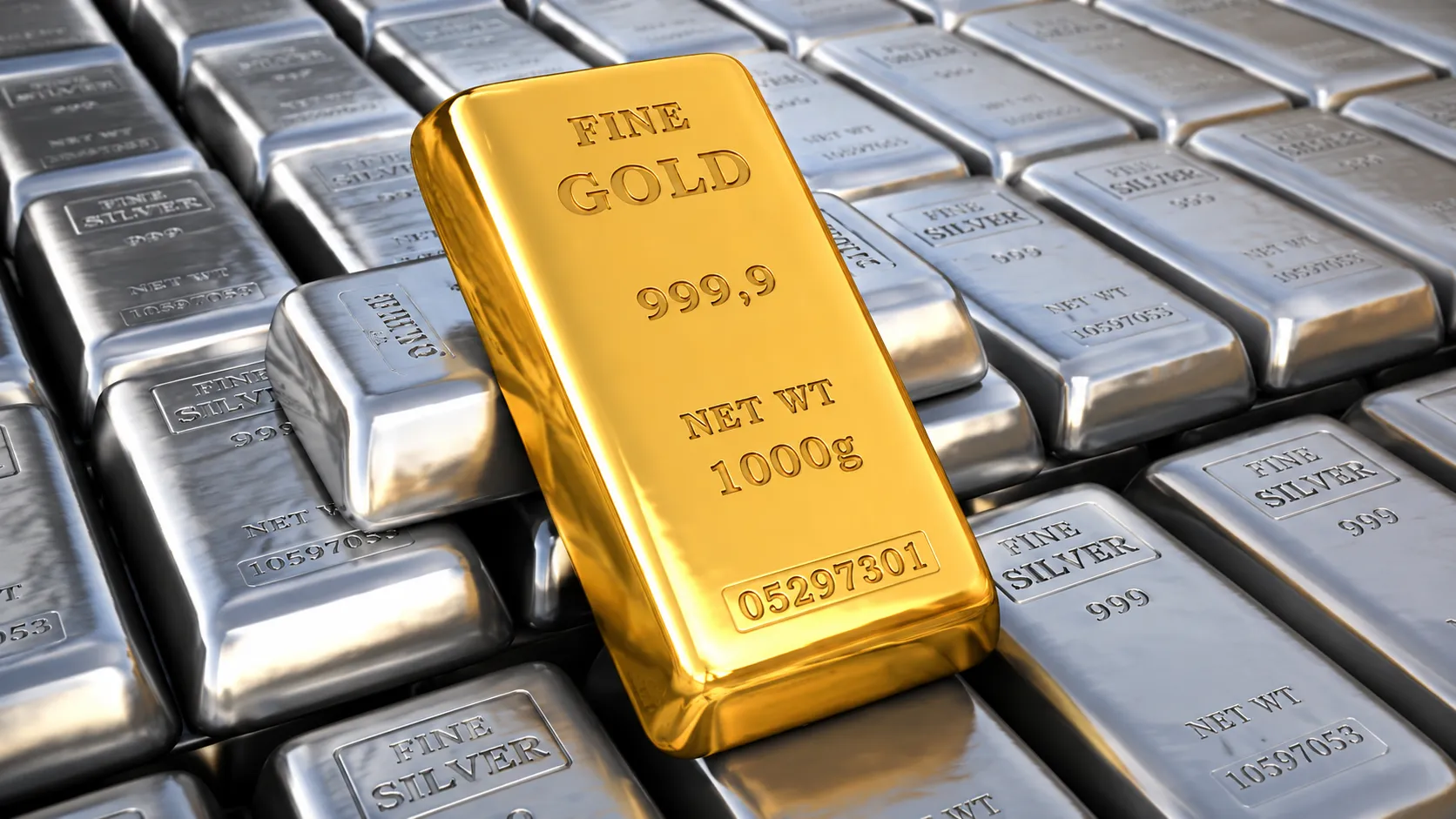
Gold and silver prices eased in India on August 25, 2026, with 24-karat gold trading at Rs 163,400 per 10 grams and silver at Rs 243,610 per kilogram, as international Comex prices retreated slightly from recent record highs. The pullback offers a modest respite for Indian jewellery buyers and investors after a period of sustained price appreciation in precious metals through much of 2026.
Even with the modest pullback, current price levels remain substantially elevated relative to historical norms, meaning the easing is best understood as a pause within a broader multi-year uptrend rather than a reversal of the underlying rally that has characterised precious metals markets globally over the past two years.
Precious metal prices in India closely track international benchmarks, particularly Comex futures in the United States, alongside domestic factors including import duties, currency movements and seasonal demand patterns tied to the festive and wedding seasons. Gold in particular has drawn sustained investor interest globally in 2026 amid broader macroeconomic uncertainty, with central bank buying and safe-haven demand contributing to record price levels earlier in the year.
Central bank gold purchasing has been a particularly significant driver of the broader rally, with several major emerging-market central banks continuing to diversify their foreign exchange reserves away from a heavy concentration in US dollar-denominated assets -- a structural buying trend that many analysts view as more durable than the shorter-term speculative flows that have periodically amplified price swings.
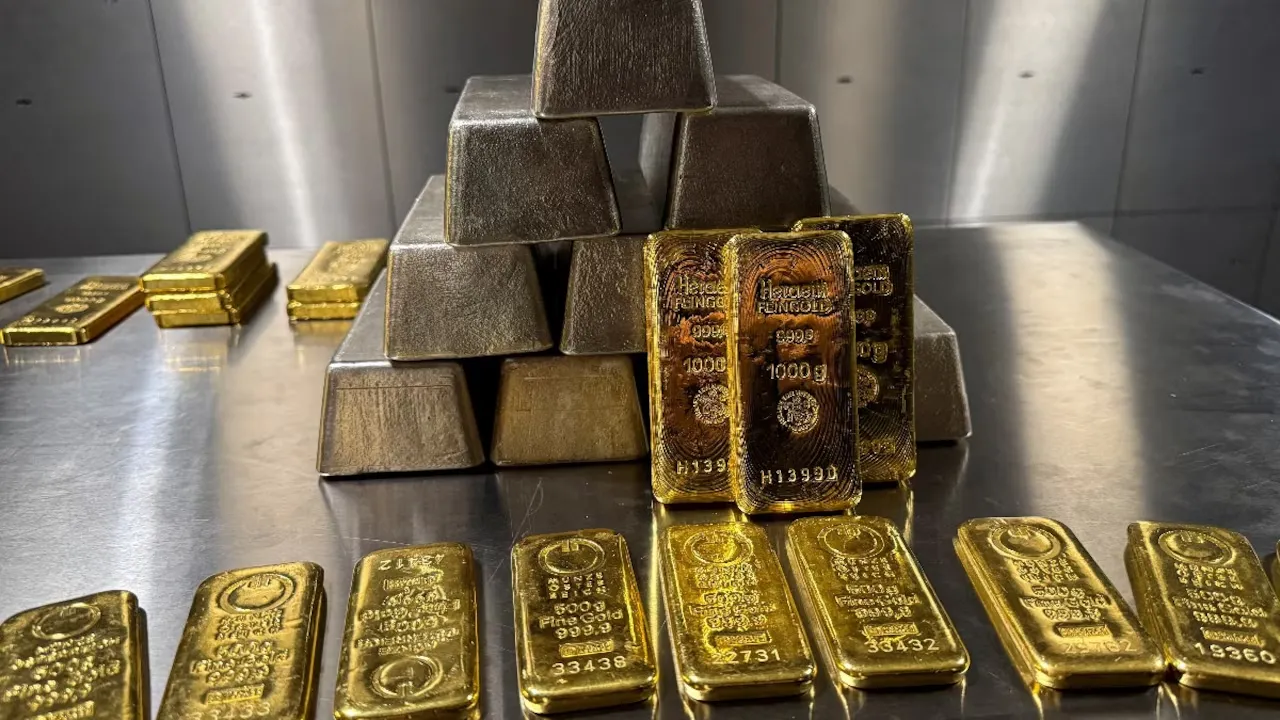
For Indian consumers, elevated gold prices have had a noticeable effect on jewellery demand, with several industry bodies reporting a shift toward lighter-weight and lower-carat jewellery purchases as buyers adjust to higher price points. The modest easing seen on August 25 is unlikely to significantly alter that underlying trend, though it may offer some near-term relief for retail buyers ahead of the upcoming festive season, which traditionally drives a substantial share of India's annual gold demand.
Jewellers across India have increasingly adapted to sustained high prices by promoting lighter-weight designs, gold exchange schemes, and monthly instalment-based purchase plans, strategies aimed at preserving transaction volumes even as the value-per-gram cost has climbed, reflecting the industry's broader effort to maintain accessibility for price-sensitive middle-class consumers.
Market watchers will be closely tracking whether the pullback in Comex prices proves temporary or marks the beginning of a more sustained correction, given the scale of the rally precious metals have seen earlier in the year. For India, which remains one of the world's largest gold-consuming markets, price movements of this kind carry implications not only for consumer spending patterns but also for the broader jewellery and bullion trade that employs millions across the country.
Beyond consumer jewellery demand, gold price movements also carry meaningful implications for India's current account and trade balance, given the country's continued heavy reliance on gold imports to meet domestic demand -- a dynamic that periodically draws policy attention from India's central bank and finance ministry when prices or import volumes move sharply.