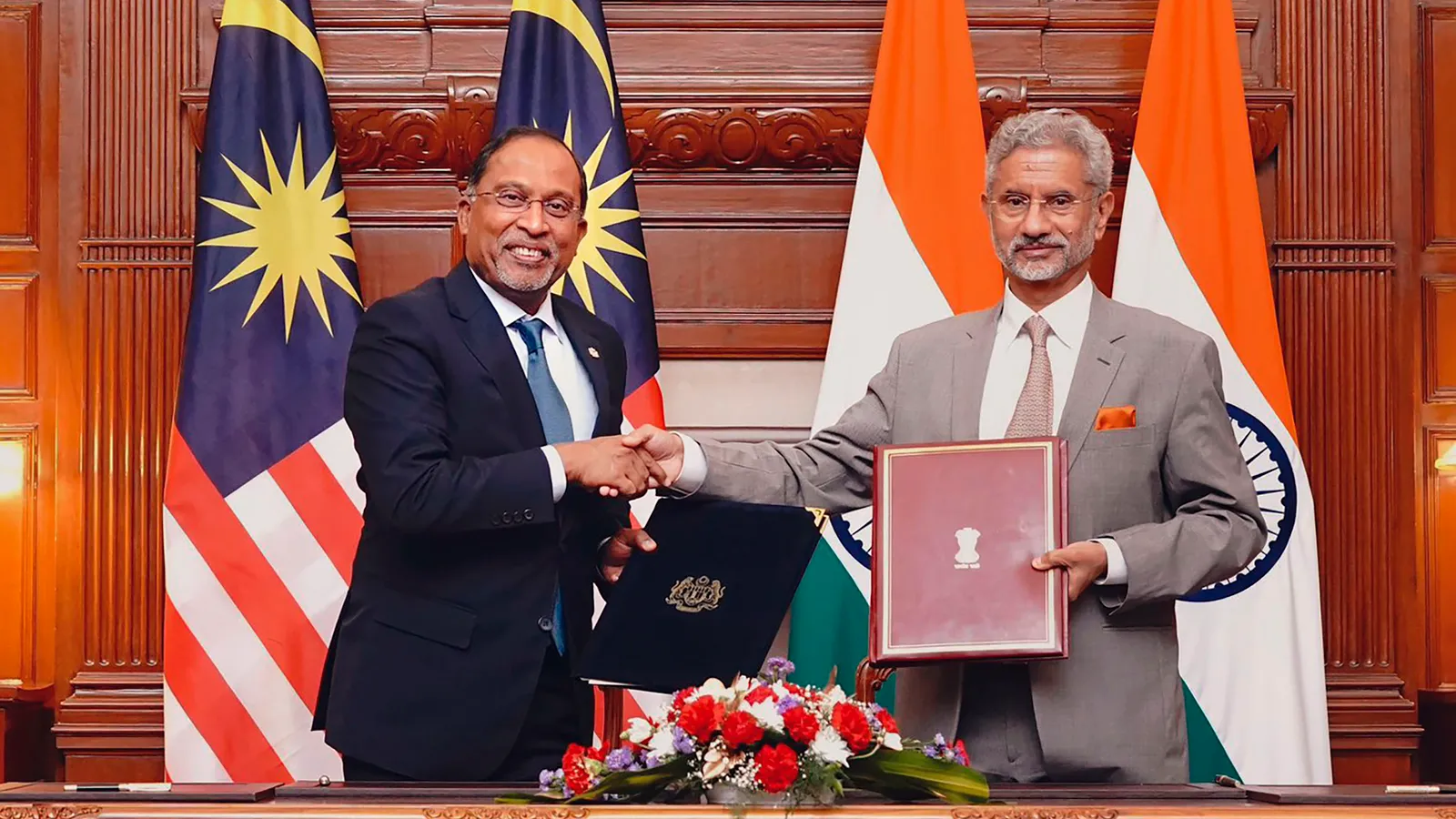
Tourism has emerged as one of the more tangible strands of a broader warming in India-Malaysia ties, with both governments committing under a tourism cooperation agreement to ease visa regimes and expand air connectivity — commitments that have translated directly into Malaysia's designation of 2026 as Visit Malaysia Year and the steady growth in Indian arrivals that has followed.
The cultural dimension of the relationship was on visible display earlier this year, when a community reception drew an estimated 15,000 members of Malaysia's Indian diaspora to a gathering in Kuala Lumpur, part of a broader visit that included engagements between Indian and Malaysian officials focused on advancing economic and innovation linkages. Malaysian officials have repeatedly pointed to the size and depth of the country's ethnic Indian population — including more than 500 Tamil-medium schools that also teach Telugu and Punjabi alongside other subjects — as a distinguishing feature of the bilateral relationship.
That cultural infrastructure feeds directly into Malaysia's tourism marketing: organisations such as the Malaysia India Heritage Society run heritage walks and cultural programming — including a record-setting 'Lal Paad Saree' walk connecting to Bengal's textile traditions — that Malaysian tourism promoters have woven into their outreach to Indian travellers alongside more conventional leisure marketing.
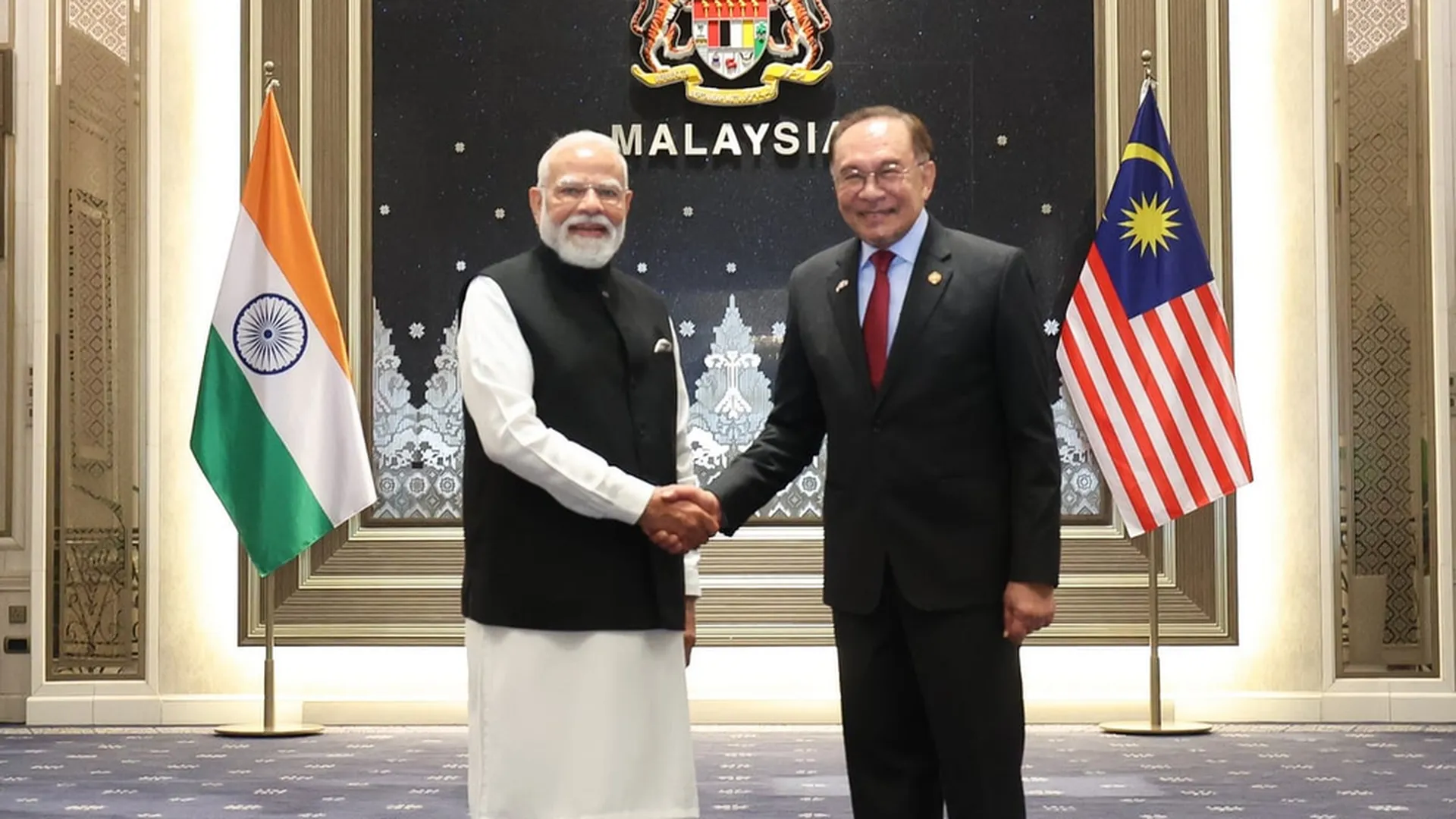
On the policy side, the cooperation agreement's practical commitments have centred on two levers: visa facilitation and air connectivity, both of which have moved in tandem with rising visitor numbers. Malaysia's visa-free access for Indian tourists, extended through December 31, 2026, and the addition of new routes and capacity by carriers including Malaysia Airlines, have together removed much of the friction that previously constrained growth in Indian arrivals.
The tourism cooperation sits within the wider framework of the India-Malaysia Comprehensive Strategic Partnership, elevated in 2024, which both governments have described as covering economic, innovation and people-to-people linkages. Tourism officials on both sides have consistently framed rising visitor numbers not simply as an economic outcome, but as a marker of deepening cultural understanding between the two countries — a framing Malaysian tourism campaigns lean on heavily in their outreach to Indian consumers.
Indian tourist arrivals to Malaysia rose from roughly 1.36 million in 2024 to 1.56 million in 2025, with Tourism Malaysia targeting 2.1 million for 2026 — growth officials attribute directly to the combined effect of the cooperation agreement's visa and connectivity commitments alongside sustained promotional activity in the Indian market.
As Visit Malaysia Year 2026 continues, officials in both countries have signalled an expectation that the cooperation agreement's next phase will focus on further easing entry requirements and adding connectivity to secondary Indian cities — extending a bilateral tourism relationship that has increasingly come to double as one of the more visible expressions of the broader India-Malaysia partnership.