India's startup and business ecosystem saw a wide-ranging set of developments this week, spanning semiconductor manufacturing policy, AI-led payments infrastructure, financial-services expansion, investor exits and public markets, according to a roundup published by Local Samosa on September 4, 2026, reflecting a system increasingly focused on deeper technology infrastructure rather than growth at any cost.
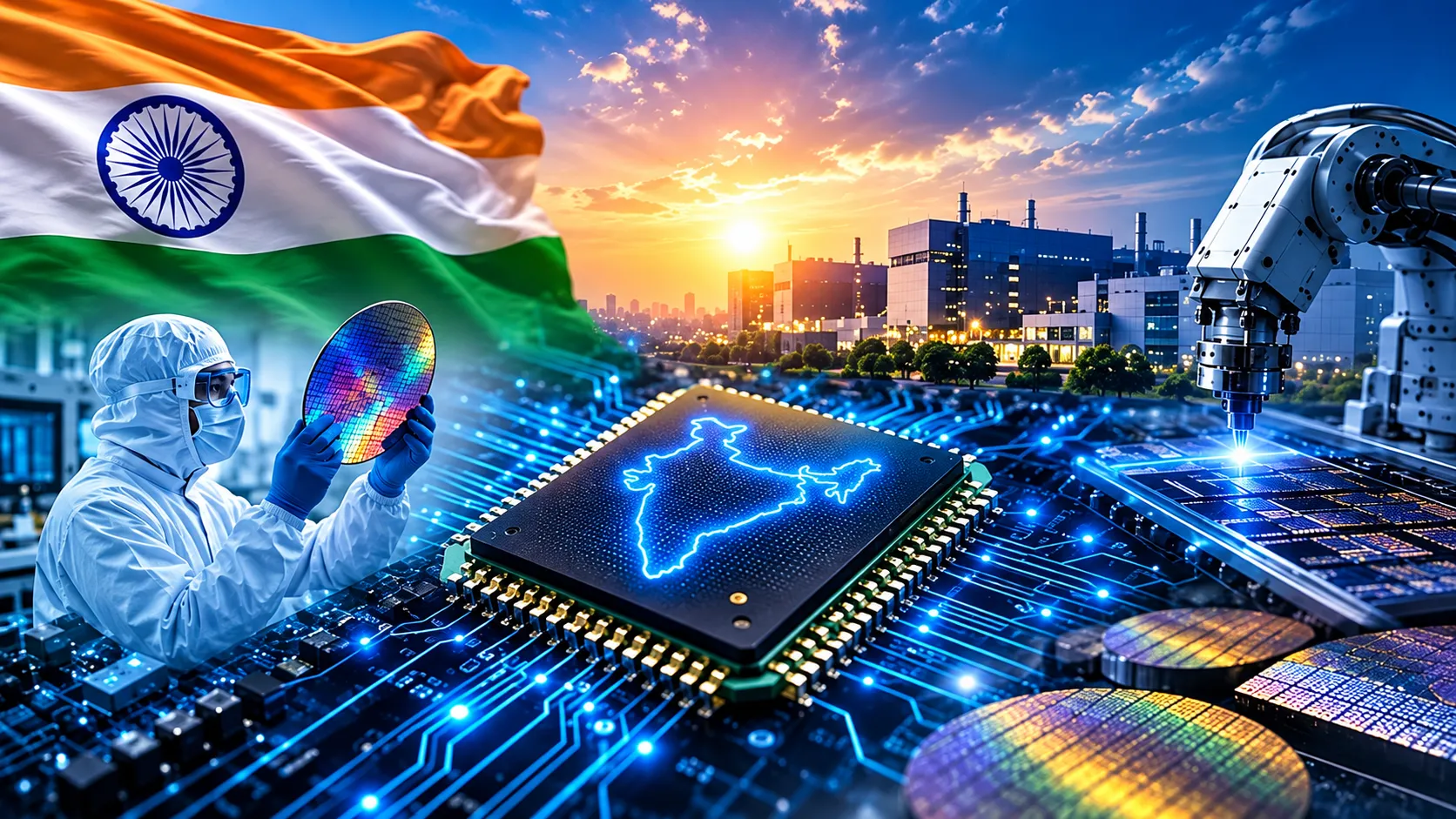
The government notified the ₹1,27,500-crore Semicon 2.0 programme, setting out eligibility criteria and incentives designed to strengthen India's domestic chip manufacturing and technology base. The expanded programme builds on India's ongoing effort to reduce dependence on imported semiconductor components and establish the country as a more significant global destination for chip manufacturing and related technologies.
Separately, the National Payments Corporation of India is preparing a framework that could allow AI agents to make small-value UPI payments on behalf of users, pointing toward a new phase of AI-enabled commerce in which digital agents could handle routine transactions within defined limits and safeguards — a development that, if implemented at scale, would open new use cases for agentic AI across payments, commerce and digital services while raising fresh questions about consent, authentication and transaction security.
India's financial-services landscape saw further expansion from technology-led businesses this week: brokerage Zerodha received SEBI approval to enter the merchant banking business, a move that could give the company a role in capital-market transactions and advisory services as it diversifies beyond its core broking operations. Investor activity also remained prominent, with Alpha Wave exiting payments and fintech company Pine Labs through a ₹550-crore block deal, part of a broader trend of private-market investors monetizing holdings through secondary and public-market transactions as India's technology companies mature.
Consumer internet companies, meanwhile, continued to face pressure to optimize operations: Zomato laid off around 240 employees and shut its customer-support operations in Hyderabad as part of a broader restructuring, while e-grocery startup Satvacart shut down after 12 years of operations, underlining the structural pressures — customer acquisition costs, logistics, thin margins and competition from larger platforms — that continue to challenge startups in highly competitive consumer categories even after a decade or more in business. In public markets, Purple Style Labs' IPO closed with 1.29 times subscription, reflecting measured rather than exuberant investor interest in the fashion and luxury e-commerce segment.

On the funding side, capital continued to flow across a wide spread of sectors: baby-tech startup Cradlewise raised $12 million in a Series A round; healthcare quick-commerce platform DocPharma raised $2 million; aerospace and defence company Aeron Systems raised ₹45 crore in a Pre-Series B round led by Riverwalk and MGF Kavachh; deeptech company Minimac Systems raised ₹30 crore led by Zerodha's Rainmatter; long-endurance aircraft startup Alteon raised $2.5 million; space-tech company Kepler Aerospace raised $8 million to develop six swarming ISR satellites; and EV-battery-swapping company Yuma Energy raised $35 million from automotive supplier Magna International. Fintech company Niyo also agreed to acquire Capital India's RemitX forex business for ₹11.4 crore, strengthening its foreign-exchange and international payments offering.
On the mergers and acquisitions front, Adobe acquired Peak XV-backed Indian AI marketing startup Rilo, strengthening its AI-powered marketing capabilities; Ather Energy shares rose after global investment firm BlackRock acquired a significant stake in the electric two-wheeler maker, signalling institutional confidence in the company; and State Street completed its ₹580-crore acquisition of a stake in Groww Asset Management, marking a significant investment in India's rapidly expanding asset management sector.
Taken together, the week's developments illustrate an ecosystem in transition: government policy is moving toward building strategic technology capabilities in areas such as semiconductors, AI is beginning to influence core financial infrastructure such as UPI payments, established startups are expanding into adjacent financial services, investors are increasingly using block deals to unlock liquidity, and consumer-technology companies are prioritizing operational efficiency over unconstrained growth.
For founders, investors and policymakers, the breadth of this week's activity — spanning hardware policy, payments infrastructure, financial-services diversification, investor exits and continued early-stage funding across aerospace, deeptech and EV infrastructure — suggests India's startup ecosystem is moving into a more infrastructure-focused, capital-disciplined phase, even as funding continues to flow steadily across a wide range of frontier sectors.