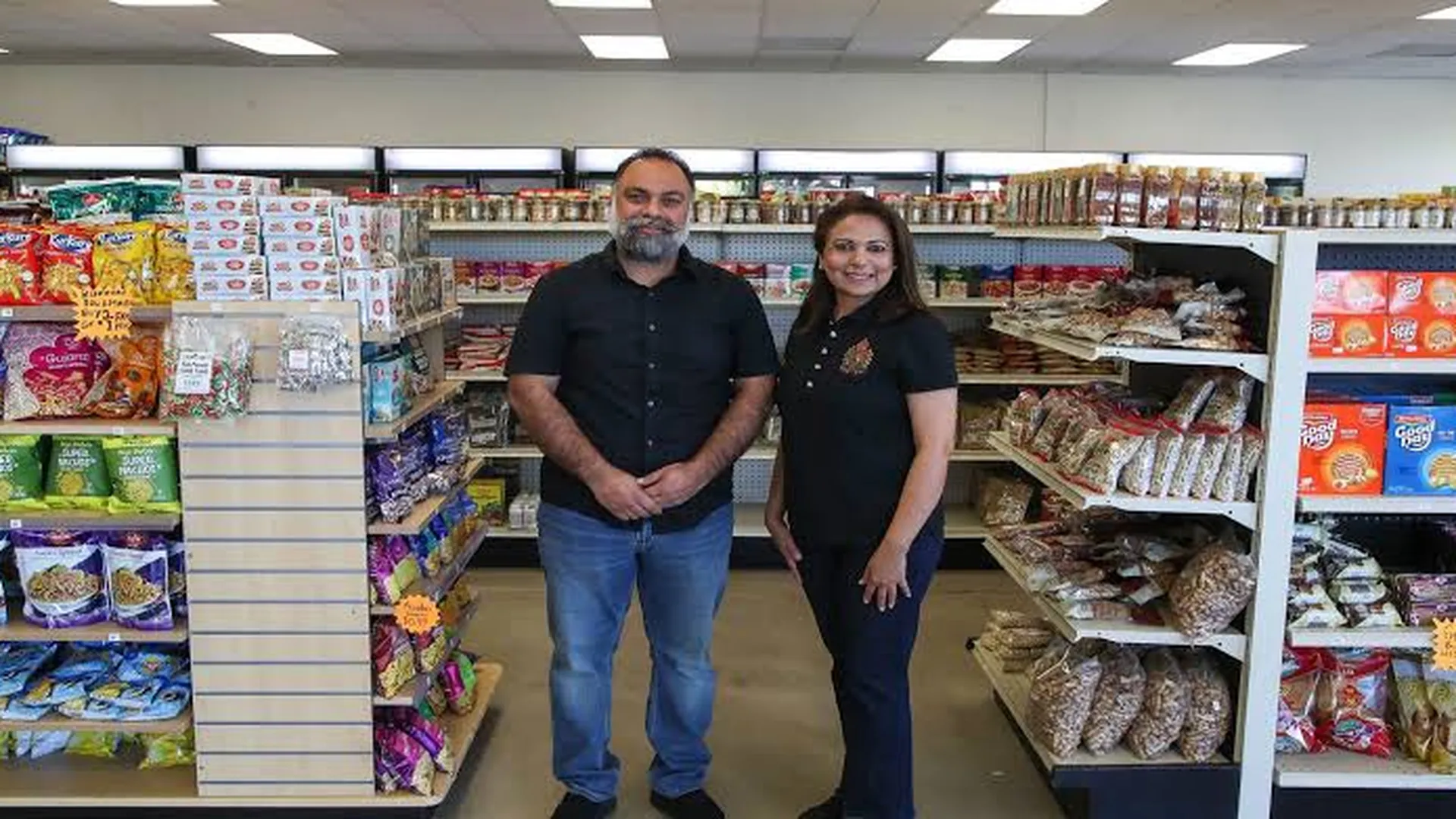
A Maple Grove, Minnesota-based Indian-American entrepreneur has turned a familiar frustration — the gap between the way Indian food is meant to be cooked and the way most American kitchens are actually stocked — into a growing spice business aimed at making traditional Indian home cooking more approachable for everyday cooks. The company, built around curated spice blends designed to shortcut the long list of individual ingredients a scratch-made Indian dish typically demands, joins a wave of Indian-American food entrepreneurs bringing regionally authentic products to a US grocery landscape that has, until recently, offered limited shelf space for anything beyond generic curry powder.
The Maple Grove venture reflects a broader shift under way in the US spice and specialty-foods category, where North American spice sales were valued at nearly $6 billion in 2020 and were forecast to climb toward $7.3 billion by 2025, according to industry estimates — growth driven in large part by rising American interest in global cuisines and by the culinary habits of the country's more than five-million-strong Indian-American community, itself a fast-growing base of both producers and consumers within that market.
The pattern behind ventures like this one has become increasingly familiar across the diaspora's food-entrepreneurship landscape: a home cook, frustrated by the difficulty of recreating an authentic family recipe using ingredients scattered across multiple specialty grocers, begins blending and packaging spices for personal use, then for friends and family, before formalising the effort into a standalone company. Similar startups elsewhere in the diaspora — from artisan spice-tin makers in the UK to small-batch masala producers across US cities — have followed comparable arcs, typically scaling from kitchen-table operations into regional and, eventually, national distribution as demand for convenient, authentic Indian cooking ingredients grows among both Indian-American households seeking a faster route to home-style meals and non-Indian consumers newly exploring the cuisine.
For entrepreneurs operating in this space, the core value proposition tends to center on two things: authenticity and convenience. Rather than asking home cooks to source and balance a dozen individual spices — many of them unfamiliar to first-time cooks of Indian food — curated blend companies package the exact combinations used in specific traditional dishes, lowering the barrier to entry for anyone attempting Indian cooking at home for the first time, while still appealing to diaspora customers looking to save time without compromising on flavour authenticity passed down through family recipes.
The Maple Grove-based venture's growth also mirrors the broader trajectory of Minnesota's own Indian-American community, which has expanded significantly across the Minneapolis-St. Paul metro area in recent years, driven substantially by the region's technology and healthcare sectors. That growing local base, layered onto a national market increasingly receptive to authentic regional Indian ingredients, gives Minnesota-based food entrepreneurs a meaningful home audience even as they look toward wider e-commerce and retail distribution.
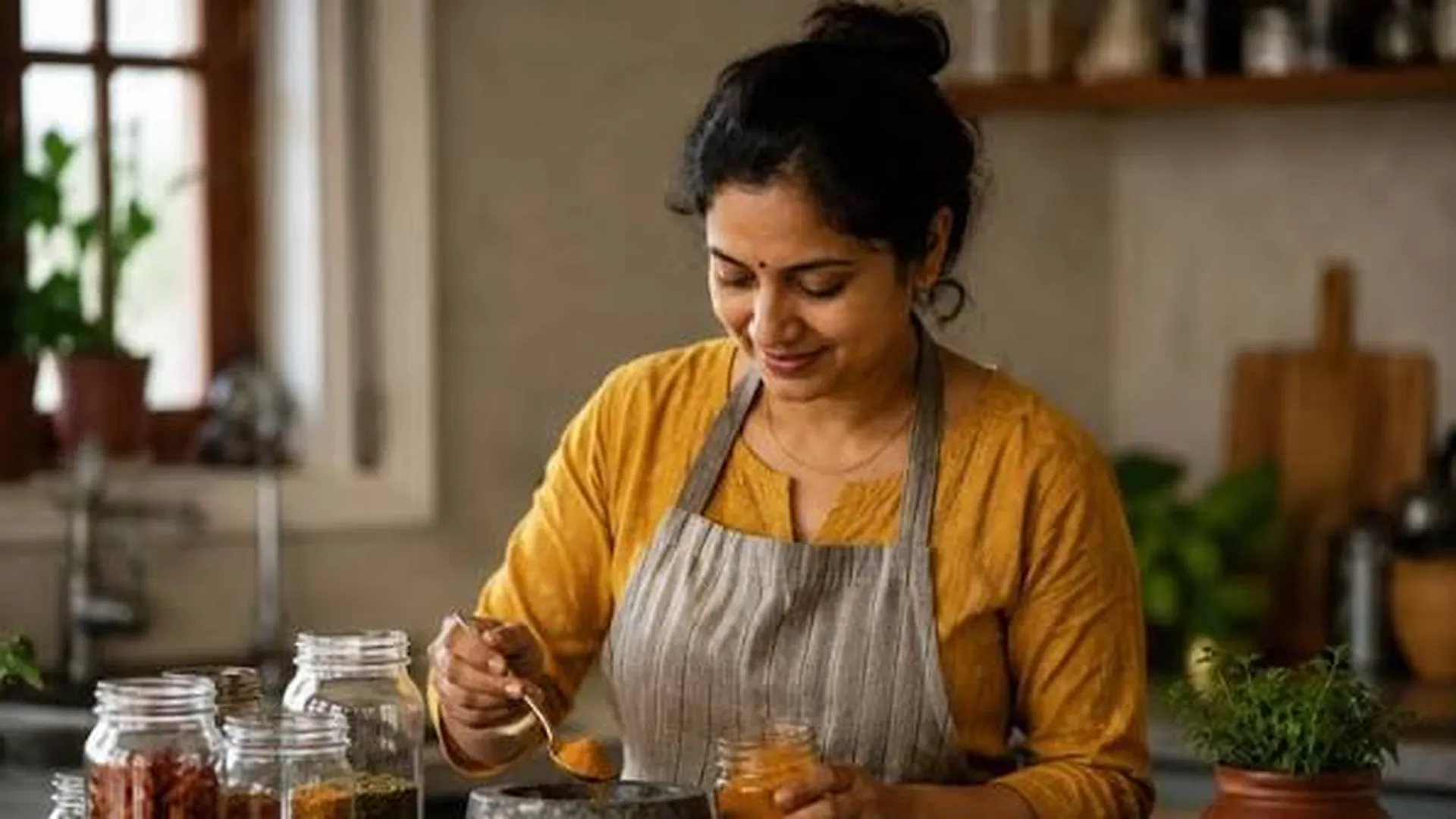
As with many diaspora-founded food startups, the company's next phase of growth will likely hinge on its ability to move beyond direct-to-consumer sales and into retail placement — the step that has historically separated small, loyal-customer-base spice brands from the handful that scale into recognisable national names on supermarket shelves. For now, the Maple Grove venture stands as one more example of a distinctly Indian-American entrepreneurial pattern: a solution born entirely out of a home cook's own kitchen frustration, formalised into a product now aimed at making traditional Indian meals a little easier for households far beyond the founder's own.
That pattern has produced a wave of comparable ventures across the US and UK diaspora over the past decade, several of which offer instructive parallels for where a Minnesota-based spice startup might be headed. Family-run operations that began by hand-packing spice blends for local markets and online orders have, in a number of documented cases, scaled into operations supplying dozens or hundreds of retail stockists within a few years — typically by combining an authentic founder story with a product designed specifically to solve a first-time cook's biggest obstacle: knowing which spices to combine, and in what proportion, to recreate a specific traditional dish. Women-founded and family-founded spice companies in this category have increasingly emphasised sustainable sourcing, small-batch production and transparent ingredient storytelling as differentiators in a category that, for decades, was dominated by anonymous, mass-produced curry powder blends bearing little resemblance to how the dishes are actually prepared in Indian households.
Minnesota's own Indian-American community provides a natural incubator for that kind of venture. The Minneapolis-St. Paul metro area has seen substantial growth in its Indian-origin population over the past two decades, driven in large part by the region's concentration of technology, medical-device and healthcare employers, which have drawn a steady flow of Indian professionals and their families to the Twin Cities suburbs, including Maple Grove itself. That demographic base creates both an immediate customer market for authentic Indian ingredients and a pool of potential collaborators, from co-packers to specialty grocers, that a founder can draw on while building out early distribution before attempting a leap into regional or national retail chains.
Ultimately, the company's ability to convert a strong local following into durable, scalable retail distribution will determine whether it joins the small number of diaspora-founded spice brands that have successfully broken into mainstream US grocery chains, or remains one of the many smaller, loyal-following operations that continue to thrive within their regional markets without ever achieving nationwide shelf presence. Either outcome would represent a meaningful entrepreneurial achievement for a business that, by its founder's own account, began simply as an attempt to solve a problem in one Minnesota kitchen.
Industry observers who track the specialty and ethnic foods category more broadly note that the path from farmers' market stall or online storefront to mainstream grocery placement typically takes several years and hinges as much on securing reliable co-packing and logistics partners as on the strength of the product itself. For Indian spice-blend startups specifically, that path has been made somewhat easier in recent years by the steady mainstreaming of Indian cooking ingredients across US specialty grocers such as Whole Foods and regional chains, which have expanded their global-foods aisles considerably over the past decade in response to growing consumer demand — a shift that gives new entrants a more receptive retail landscape than the one earlier generations of Indian-American food entrepreneurs faced.


