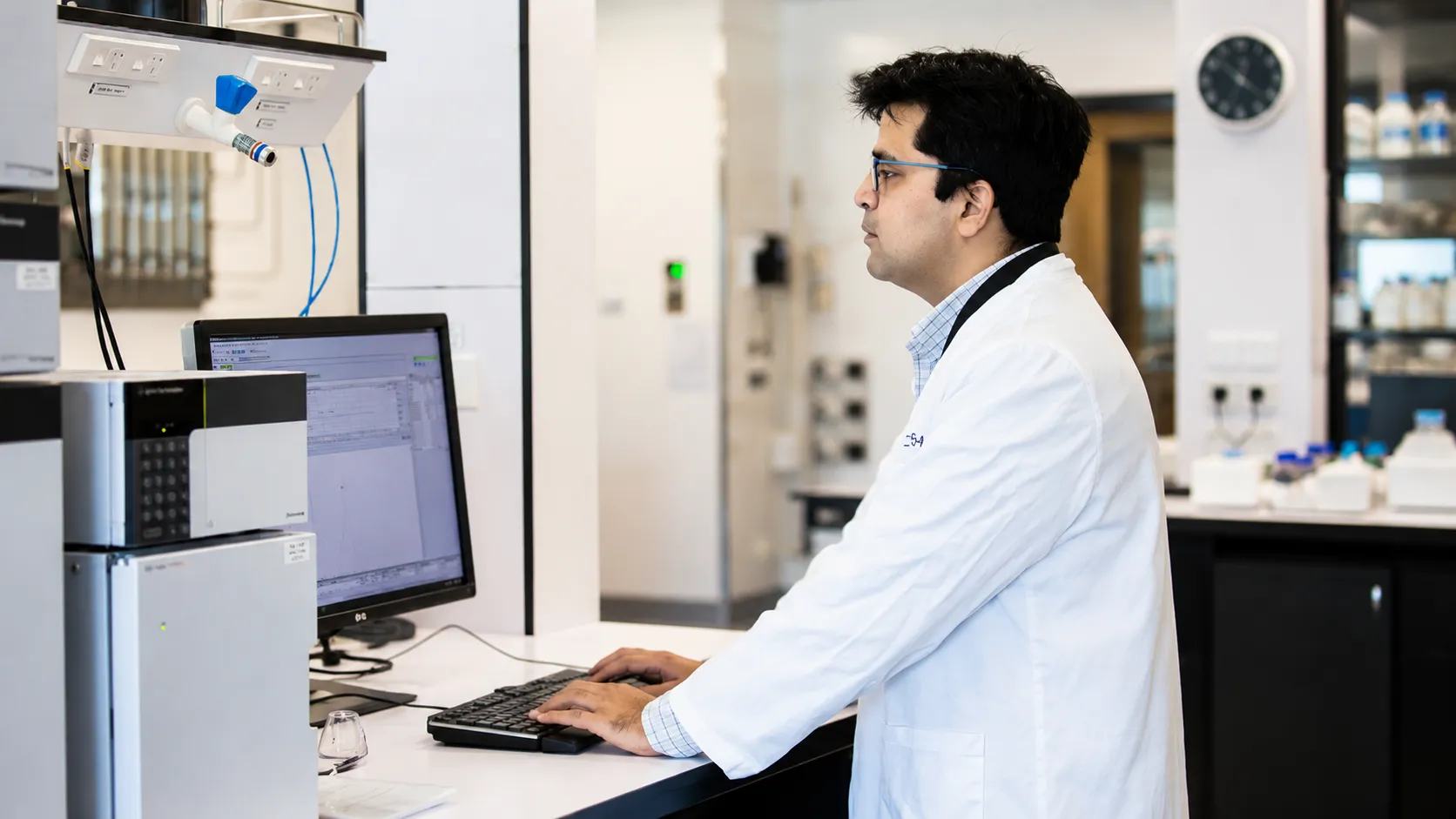
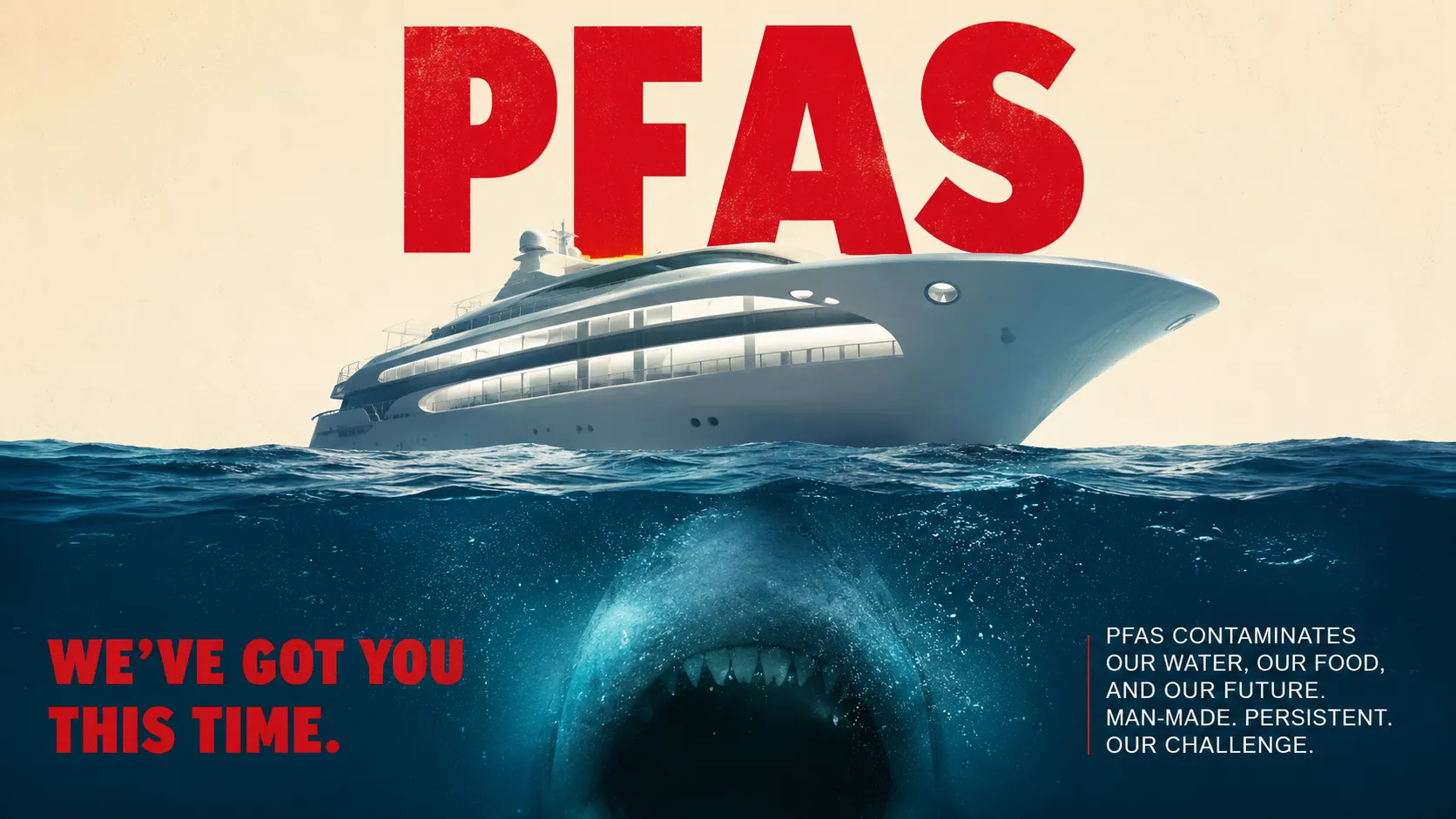
Lokesh Padhye, an Indian American professor at Stony Brook University, is set to lead two of New York Sea Grant's seven newly funded research projects, positioning him at the centre of two significant, publicly funded investigations into one of the most pressing water-quality challenges currently facing New York State: the pervasive contamination of groundwater and surface water by PFAS, the class of synthetic 'forever chemicals' that has become an increasingly urgent public health and environmental concern across the United States over the past decade.
New York Sea Grant, a cooperative programme jointly administered by Cornell University and the State University of New York and funded through the National Oceanic and Atmospheric Administration, has awarded approximately $1.5 million to support the seven newly announced two-year research projects, four of which are based at Stony Brook University. Each of the four Stony Brook-based projects will receive approximately $240,000 in funding, meaning Padhye's involvement as lead investigator on two of the four Stony Brook projects places him at the centre of roughly $480,000 in combined new research funding — a substantial vote of institutional and federal confidence in his research programme's relevance and capability.
The first of Padhye's two projects, titled 'Transforming Invasive Bamboo into a Sustainable Solution for PFAS Remediation in Long Island's Contaminated Groundwater,' pairs Padhye with Christopher Gobler, Endowed Chair of Coastal Ecology and Conservation at Stony Brook, in an effort to explore a genuinely innovative remediation approach: using invasive bamboo — itself considered an ecological nuisance species across parts of Long Island — as a raw material for developing new PFAS treatment technology capable of addressing the region's contaminated groundwater. The project's dual environmental logic is notable, aiming simultaneously to address two distinct ecological problems, invasive species management and PFAS contamination, through a single, integrated research approach.
Padhye has indicated that, should the bamboo-based remediation approach prove successful, the underlying methodology developed through this research could be adapted for use well beyond Long Island, potentially applying to other regions grappling with similar PFAS contamination challenges and to other types of waste biomass beyond invasive bamboo specifically. That kind of built-in scalability consideration reflects a research design philosophy increasingly common in applied environmental engineering, where researchers deliberately structure projects to generate not just locally relevant solutions but broader, transferable methodologies that other communities and research teams can adapt to their own specific contamination challenges and available waste-biomass resources.
Padhye's second project, titled 'Tracking Forty Years of PFAS Prevalence in the Hudson River Estuary,' pairs him with Oliver Shipley, an Assistant Professor at Stony Brook's School of Marine and Atmospheric Sciences, in an investigation aimed at understanding how PFAS contamination levels in one of New York's most ecologically and economically significant water bodies have evolved over a genuinely long, four-decade time horizon. According to Shipley, the research is motivated substantially by growing concern over PFAS exposure in humans over the past decade, given that certain PFAS compounds have been linked to chronic diseases including cancer — concerns that have driven substantially increased federal and state regulatory attention toward PFAS contamination across water systems nationally in recent years.
The Hudson River Estuary project's methodology involves analysing striped bass, a species whose long lifespan and position within the estuary's food web make it a particularly useful biological indicator for tracking contamination trends over extended time periods, with researchers examining fish scales collected from the estuary to reconstruct a multi-decade historical record of PFAS prevalence in the ecosystem. That kind of biological archive-based research approach allows scientists to reconstruct historical contamination trends that would otherwise be extremely difficult or impossible to establish through direct water-sampling records alone, given how relatively recently comprehensive PFAS water-testing protocols have become standard practice across most environmental monitoring programmes.
Padhye's professional background positions him distinctively for leading research of this technical complexity and interdisciplinary scope. He currently serves as Associate Director of Emerging Contaminants Research at the New York State Center for Clean Water Technology at Stony Brook University, a role he has held since 2024, alongside his position as Research Associate Professor within the university's School of Marine and Atmospheric Sciences. His academic training includes a Master's degree and Ph.D. in Environmental Engineering from the Georgia Institute of Technology, and his career prior to joining Stony Brook included a decade-long tenure as an Associate Professor of Environmental Engineering at the University of Auckland in New Zealand, an earlier faculty appointment as Assistant Professor at the Indian Institute of Technology Bombay, professional engineering experience with Geosyntec Consultants in Atlanta, and a visiting scholar appointment at the Massachusetts Institute of Technology between 2016 and 2019.
That genuinely global academic trajectory — spanning India, the United States, and New Zealand across multiple prestigious research institutions — reflects a career path increasingly common among leading Indian-origin environmental science and engineering researchers, who have built substantial international research profiles before eventually settling into senior faculty and leadership positions at major American research universities. Padhye's specific research expertise centres on the occurrence, fate, and treatment of emerging contaminants, spanning not just PFAS but microplastics, tire-derived chemicals, disinfection byproducts, pharmaceuticals, and pesticides — a research portfolio addressing what has become one of environmental engineering's most actively evolving and publicly consequential subfields.
Padhye's work has also drawn attention from senior federal environmental regulators, with the New York State Center for Clean Water Technology having hosted U.S. Environmental Protection Agency Administrator Lee Zeldin for an extended visit and discussion of the centre's ongoing PFAS research, reflecting the direct policy relevance and visibility Padhye's broader research programme has achieved within federal environmental regulatory circles, well beyond the purely academic research community that typically engages most directly with university-based environmental science.
The broader public health stakes underlying Padhye's research have grown increasingly salient across New York and nationally in recent years, as PFAS contamination has been detected in drinking water supplies, agricultural land, and natural ecosystems across a growing number of American communities, driving substantial new federal and state regulatory action aimed at establishing enforceable contamination limits and funding remediation efforts. Long Island specifically has faced particular scrutiny given its heavy historical reliance on groundwater aquifers for drinking water supply, a hydrogeological reality that makes groundwater PFAS contamination a particularly direct and consequential public health concern for the millions of Long Island residents whose tap water traces back to these same aquifer systems that Padhye's bamboo-based remediation research is specifically targeting.
For the Indian American scientific and academic community more broadly, Padhye's leadership on two federally significant environmental research projects adds to a growing, increasingly visible roster of Indian-origin researchers occupying senior positions at the leading edge of American environmental science — work carrying direct, tangible public health stakes for millions of New York residents, and offering a clear, concrete illustration of the kind of applied scientific leadership Indian-origin academics are increasingly bringing to bear on some of the country's most pressing environmental and public health challenges.
The timing of this funding announcement also aligns with a broader, sustained increase in both federal and state regulatory attention toward PFAS contamination, with New York State having introduced its own increasingly stringent PFAS testing and remediation requirements for public water systems over recent years, creating growing demand for exactly the kind of applied, translatable remediation research that Padhye's bamboo-based groundwater treatment project is specifically designed to produce.
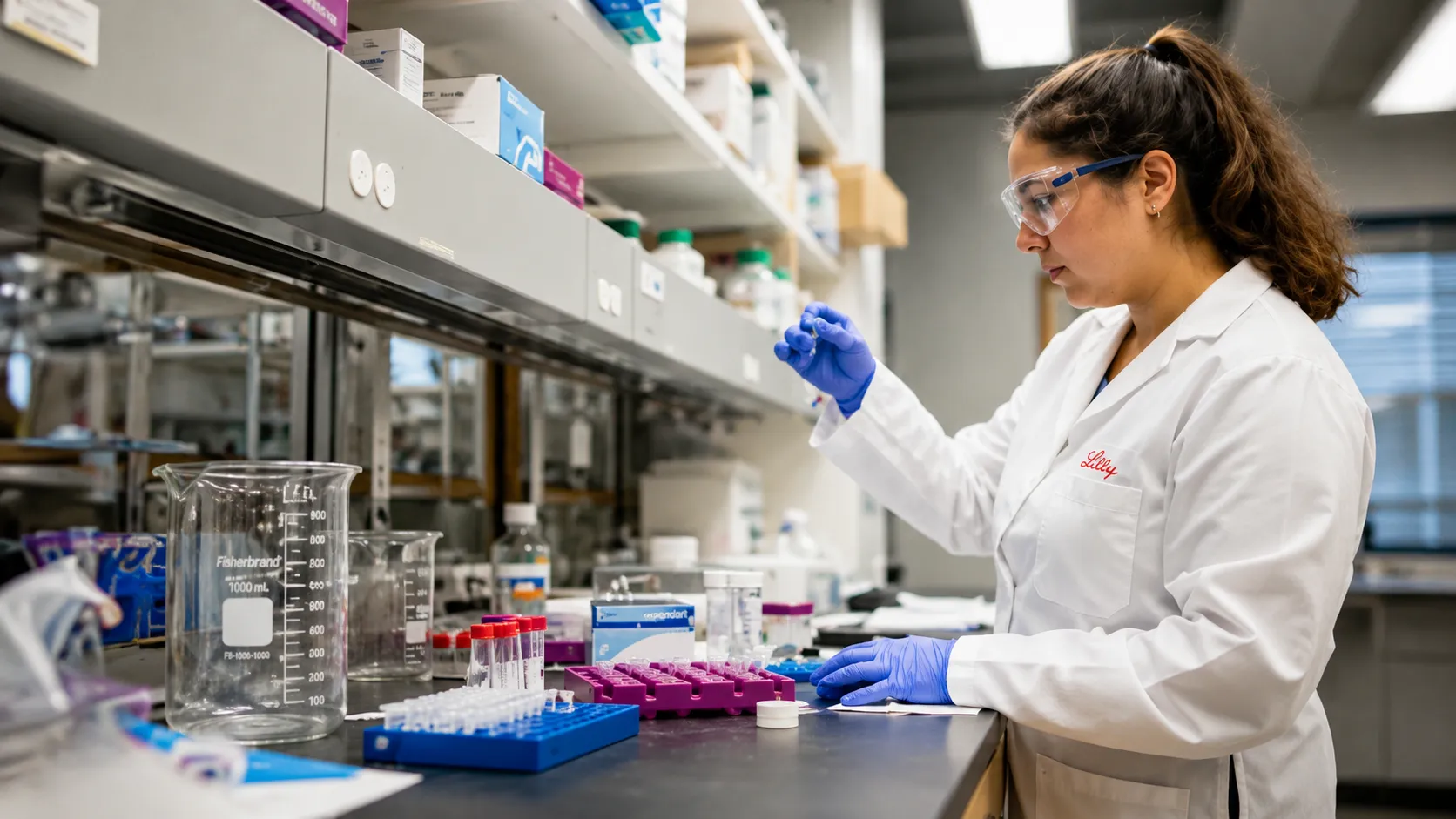
For Long Island communities specifically, many of which have already faced the direct, costly reality of PFAS-related water system upgrades and well closures in recent years, research producing genuinely cost-effective, locally sourced remediation technology — built from an invasive species that already requires active management regardless — could offer a particularly appealing dual-benefit solution, simultaneously addressing groundwater contamination and invasive species management within a single, coordinated intervention strategy.
As both of Padhye's New York Sea Grant-funded projects move through their two-year research timelines, the broader scientific and regulatory community will be watching closely for early findings — results that could shape not just Long Island's and the Hudson River's own water-quality futures, but potentially offer a transferable model for PFAS remediation and monitoring that communities facing similar contamination challenges across the country could eventually draw upon.
Stony Brook University's own broader institutional investment in PFAS and emerging-contaminant research, reflected in its dedicated New York State Center for Clean Water Technology and its ability to attract senior researchers like Padhye from international postings, positions the university as an increasingly significant national hub for exactly the kind of applied environmental engineering research these two newly funded projects represent.
As New York continues confronting the scale of its PFAS challenge, researchers like Padhye are increasingly being asked to deliver not just publishable findings but genuinely deployable solutions — a bar his two newly funded projects are explicitly designed to meet.
The two projects also reinforce New York Sea Grant's own stated mission of funding stakeholder-driven research with direct, near-term community relevance, rather than purely theoretical or exploratory science — a funding philosophy that appears well matched to Padhye's own research orientation toward translatable, deployable solutions rather than purely academic inquiry.
Both projects are expected to begin generating preliminary findings within their first year, offering an early, if partial, signal of whether the ambitious dual approach Padhye and his collaborators have proposed can deliver on its considerable promise.
Padhye and his collaborators have also committed to publishing interim results through New York Sea Grant's own stakeholder channels, ensuring that Long Island residents and Hudson River estuary communities receive updates well before the formal two-year research period concludes.