FundingAnalysis5 MIN READ

IndiGo and Air India Extend Saudi Flight Suspensions Into November as Air India's Winter Schedule Cuts Four European Routes

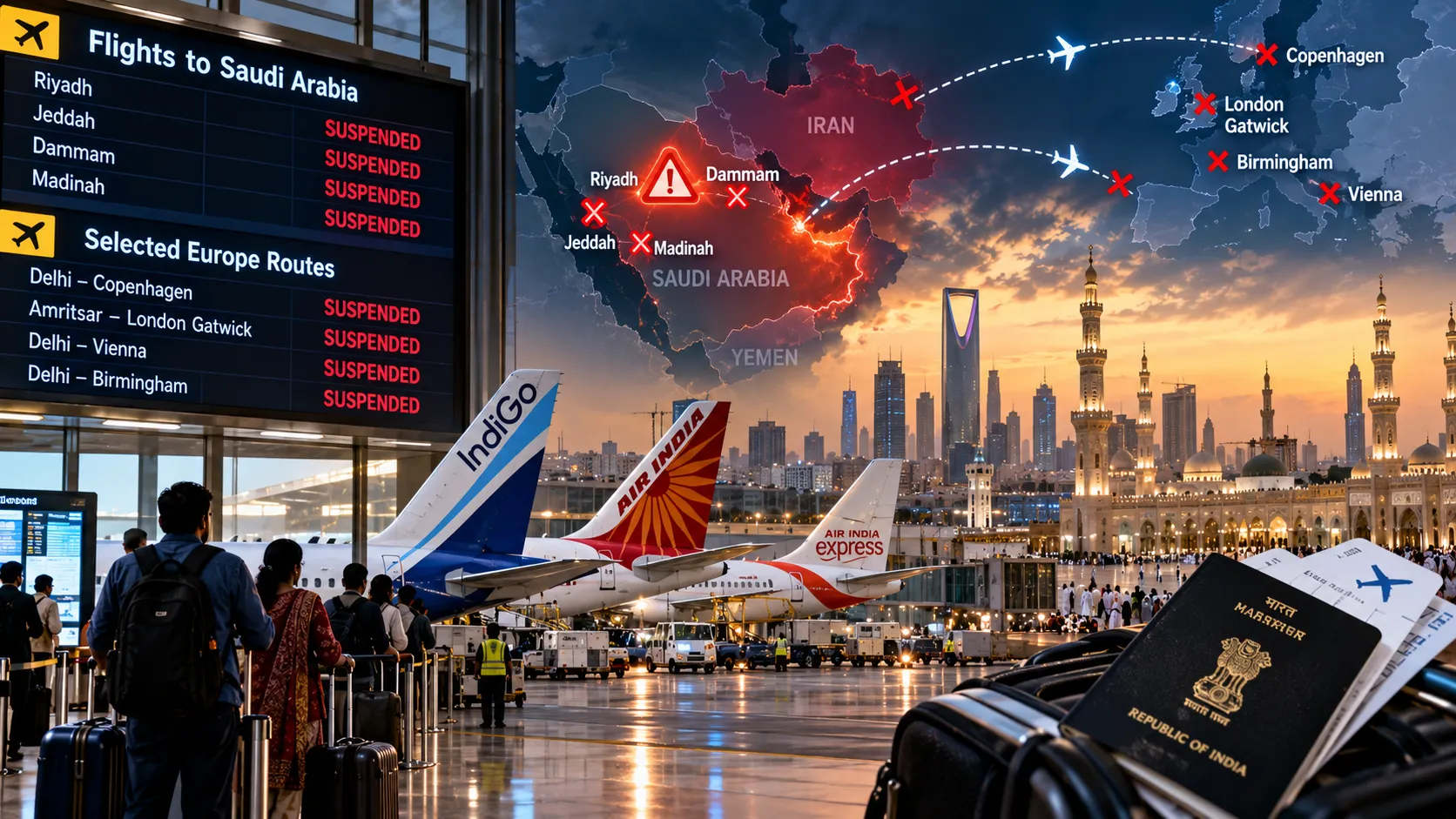
IndiGo has extended its suspension of flights to Riyadh, Jeddah, Dammam and Madinah until October 31, while Air India and Air India Express have halted Riyadh and Dammam services until November 7 and Jeddah until October 31, following Houthi attacks on Saudi Arabia. Air India's winter schedule, effective October 25, also ends four European routes, citing fuel costs, airspace closures and route length.

By Shaym Kumar · Author26 October 2026New
IndiGo and Air India Extend Saudi Flight Suspensions Into November as Air India's Winter Schedule Cuts Four European Routes

India's airlines are reshaping their networks under the pressure of conflict in West Asia, extending suspensions of flights to Saudi Arabia and cutting long-haul routes to Europe as fuel costs and airspace closures make some services unviable.

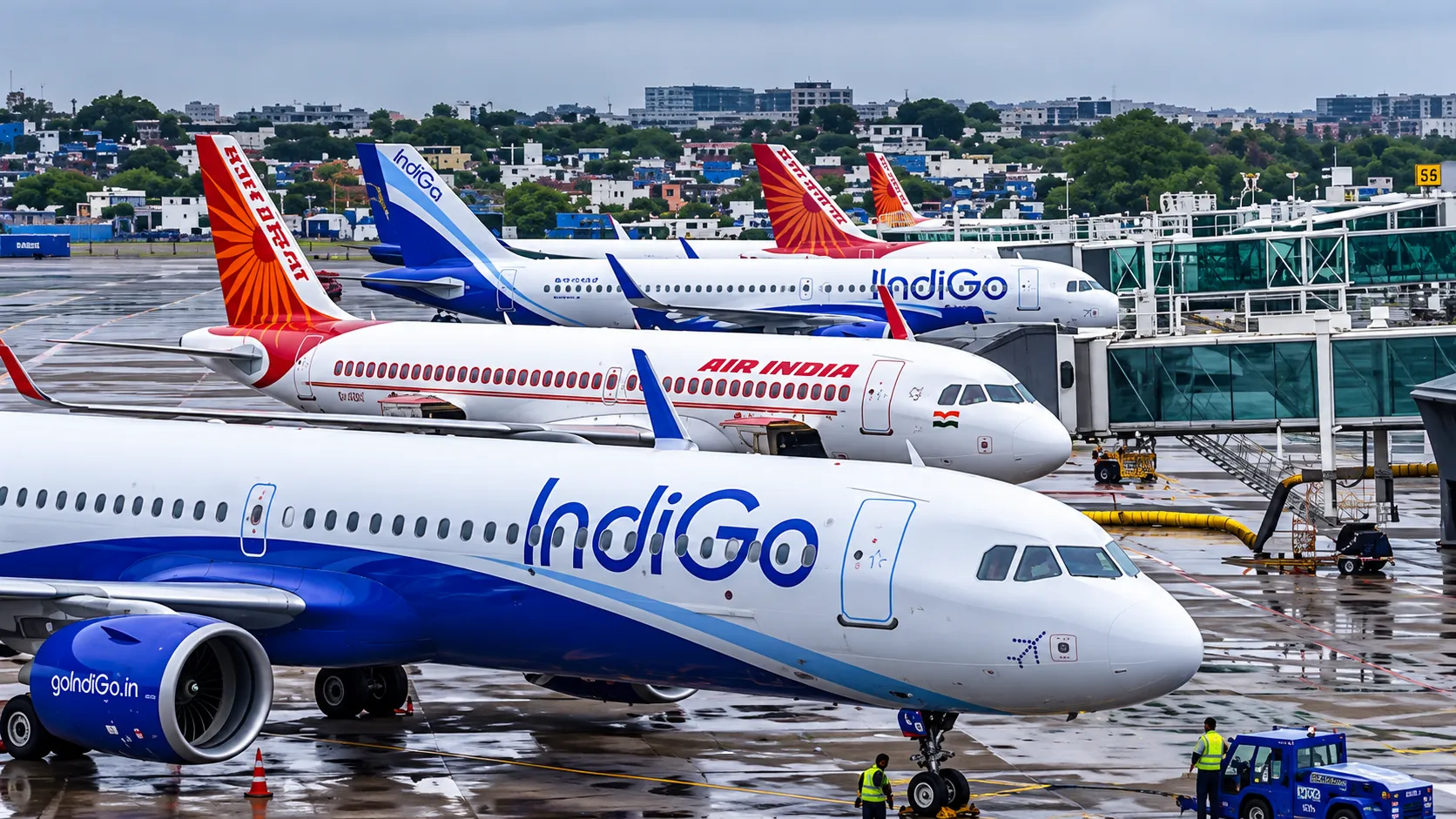
IndiGo, India's largest airline, has extended its suspension of flights to and from Riyadh, Jeddah, Dammam and Madinah until October 31, according to a travel advisory report on Sunday, October 25. Air India and its low-cost arm Air India Express have suspended services to Riyadh and Dammam until November 7, and to Jeddah until October 31.

The suspensions, first announced in mid-October, have been extended several times. Air India had previously paused flights to Jeddah, Riyadh and Dammam until October 24.

Why flights were halted

The disruption follows attacks on Saudi Arabia by Iran-backed Houthi rebels in Yemen. An aerial attack on King Khalid International Airport in Riyadh on October 10 killed 13 people, including an Indian national who later died of his injuries, and injured about 300. Saudi authorities closed the airport for several days to ensure the safety and operational readiness of its facilities.

IndiGo cited "heightened security concerns" in the region. "Your safety and well-being remain our top priority," the airline said in an advisory to passengers. Akasa Air has also suspended flights to Riyadh and Jeddah.

A major blow for diaspora travellers

Saudi Arabia is home to one of the largest Indian communities abroad, with more than two million Indian workers and their families. Flights between India and Saudi cities are heavily used by migrant workers travelling to and from Kerala, Tamil Nadu, Uttar Pradesh, Bihar and other states, as well as by pilgrims travelling to Madinah and Makkah.

The suspensions have disrupted travel plans for thousands of passengers. Air India has offered passengers with confirmed bookings one free date change, the option to rebook through other Gulf airports, or a full refund if they choose not to travel. Air India guests can rebook to Dubai or Doha, while Air India Express passengers can use a wider range of Gulf cities, including Abu Dhabi, Bahrain, Kuwait, Muscat and Sharjah.

Air India's winter schedule

Separately, Air India's winter schedule, which took effect on October 25, ends several long-haul routes to Europe. The airline is ending Delhi-Copenhagen and Amritsar-London Gatwick services on October 25, Delhi-Vienna on October 31 and Delhi-Birmingham on November 4.

The airline cited high fuel costs, airspace restrictions and route length. Airspace closures over parts of West Asia have forced longer routings to Europe, raising fuel consumption and costs. With jet fuel prices elevated as Brent crude trades above $110 a barrel, some routes have become unprofitable.

Air India Express, meanwhile, is adding more than 40 routes in its winter schedule, focusing on domestic and short-haul international services.

The economics of long-haul flying

Long-haul routes are particularly sensitive to fuel costs, which can account for 30-40% of an airline's operating expenses. When aircraft have to fly longer routes to avoid closed airspace, they burn more fuel and may need to carry less cargo or fewer passengers to stay within weight limits.

Routes to smaller European cities such as Copenhagen, Vienna and Birmingham typically have thinner demand than flights to major hubs such as London Heathrow, Paris and Frankfurt, making them more vulnerable when costs rise. Air India appears to be concentrating its resources on its strongest routes.

“Your safety and well-being remain our top priority.”
— IndiGo, in a passenger advisory
1480ec96-eeb7-4d8a-b9e3-a795e30ea93f.png

Indian aviation under pressure

India's aviation industry has grown rapidly, making it the world's third-largest domestic aviation market. IndiGo and Air India have placed huge orders for new aircraft and have been expanding international services, aiming to capture traffic that has historically flown through Gulf hubs such as Dubai, Doha and Abu Dhabi.

The conflict in West Asia has complicated that strategy. Higher fuel prices squeeze margins across the industry, airspace closures lengthen routes, and security risks have forced the suspension of services to some destinations.

Airlines in the Gulf have also faced disruption, though some have maintained operations to Saudi Arabia. Passengers have turned to alternative routings, adding time and cost to journeys.

Impact on remittances and trade

Saudi Arabia is a significant source of remittances for India, with Indian workers sending money home to support families. Disruptions to travel can affect workers' ability to return home or take up jobs, though remittance flows themselves are largely conducted electronically.

Cargo traffic between India and Saudi Arabia, including perishable goods and pharmaceuticals, may also be affected by the suspension of passenger flights, which carry cargo in their holds.

Gulf hubs and the competitive picture

The suspension of direct flights to Saudi Arabia has pushed some passengers onto connecting services through other Gulf hubs, such as Dubai, Doha and Abu Dhabi, where carriers including Emirates, Qatar Airways and Etihad operate extensive networks. This can strengthen the position of Gulf airlines in the India market, a long-standing point of competition with Indian carriers seeking to capture more international traffic themselves.

India's bilateral air services agreements with Gulf countries, which limit the number of seats airlines can offer, have been a subject of negotiation for years, with Gulf carriers seeking more capacity and Indian airlines seeking protection as they expand.

Pilgrims and seasonal travel

Travel to Saudi Arabia includes large numbers of pilgrims making Umrah, the pilgrimage to Makkah that can be undertaken at any time of year. Disruption to flights affects pilgrims who have booked tours and visas, and tour operators have had to reschedule trips. Madinah, one of the airports covered by IndiGo's suspension, is a key gateway for pilgrims visiting the Prophet's Mosque.

What comes next

The duration of the Saudi suspensions will depend on the security situation and decisions by Saudi authorities. Airlines have repeatedly extended the suspensions, and passengers are advised to check flight status before travelling.

For Air India, the route cuts reflect the difficult economics of long-haul flying in a period of high fuel prices and restricted airspace. The airline may restore some routes if conditions improve, but for now it is prioritising profitability over network breadth. Indian travellers can expect higher fares and fewer options on some international routes through the winter season. Travel agents and tour operators serving the Saudi route have had to rebook large numbers of customers, and the repeated short extensions make it difficult for passengers to plan. Those with existing bookings are advised to check their options with airlines, including free date changes and refunds, before travelling to the airport.

TagsIndiGoAir IndiaAir India ExpressSaudi Arabia flightsRiyadhJeddahDammamMadinahHouthi attackswinter scheduleaviationjet fuelairspace closuresIndian diasporaGulf travelCopenhagenViennaBirminghamAkasa Airairlines

Reader reviews

Sign in to rate and review this article.
Loading reviews…

