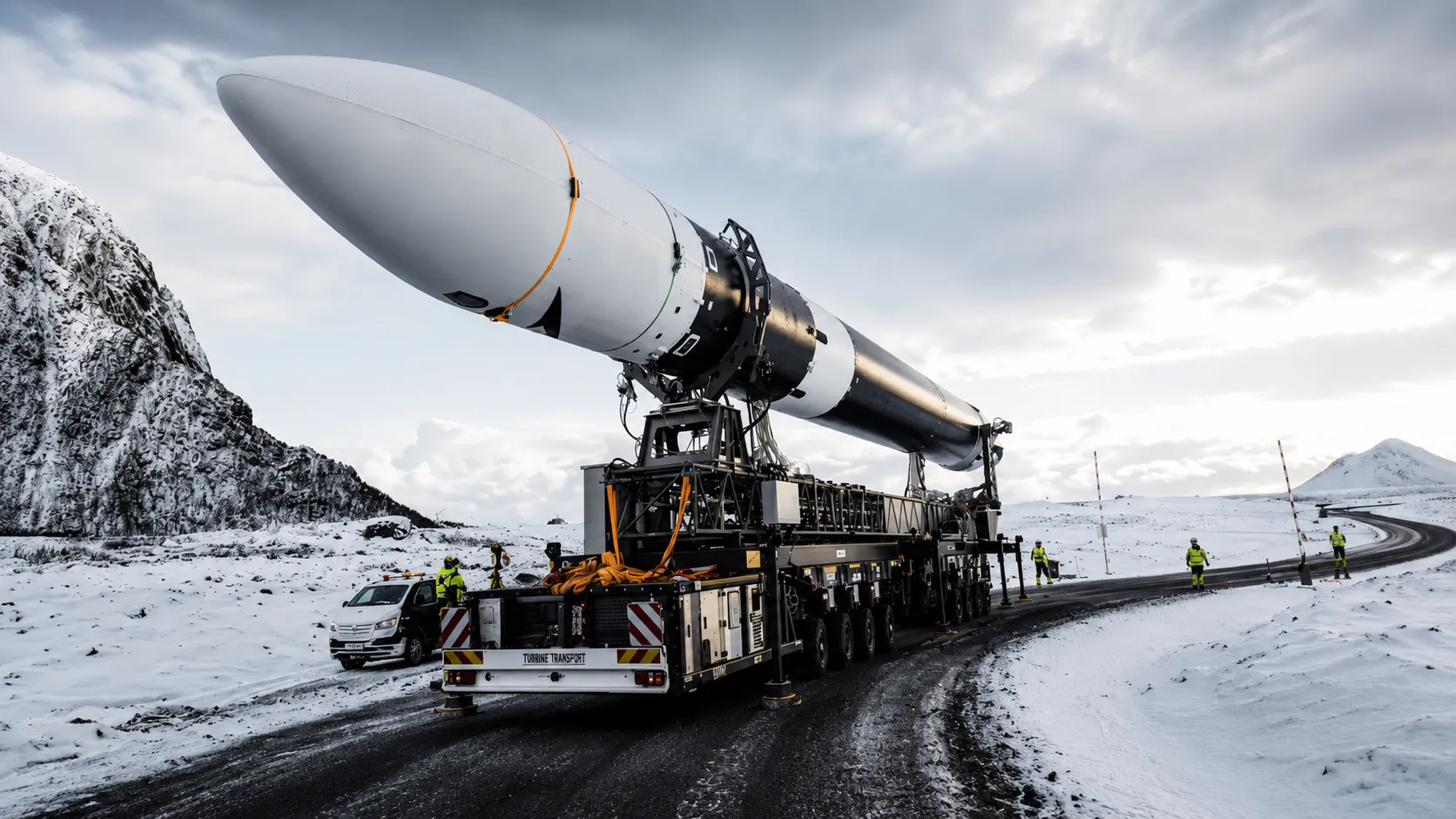
Isar Aerospace, a German start-up developing launch vehicles intended to provide Europe with independent access to space, has raised $232.82 million, adding significant capital to a European launch sector under growing pressure to build credible domestic alternatives to established international providers.
The financing arrives as European governments and industry increasingly treat sovereign launch capability as strategic infrastructure rather than a purely commercial consideration, following years in which the continent's access to orbit has depended heavily on providers based outside Europe.
SpaceX's scale, launch cadence and reusability-driven cost reductions have fundamentally reshaped the economics of reaching orbit over the past decade, leaving European governments and companies searching for competitive domestic alternatives that can offer comparable reliability and cost — a gap that has become increasingly urgent as satellite constellations, defence payloads and scientific missions all compete for limited, non-European launch slots.
Isar Aerospace is among a small cohort of European launch start-ups working to close that gap, developing vehicles intended for both suborbital and orbital missions as part of a broader continental push to establish multiple credible domestic launch providers rather than relying on any single national programme.

The scale of the latest funding round reflects growing investor and government confidence that Europe can support a competitive commercial launch market, rather than depending predominantly on state-led programmes such as Ariane, which have historically operated on longer development cycles and higher per-launch costs than the reusable systems pioneered elsewhere.
Isar Aerospace still faces the considerable technical and commercial challenge of proving it can deliver reliable, repeatable commercial launches at scale — the threshold that ultimately determines whether a launch provider can win sustained satellite-operator and government contracts, as opposed to one-off demonstration missions.
For European policymakers, the emergence of well-capitalised private launch companies such as Isar Aerospace represents a hedge against overreliance on any single non-European provider for access to orbit — a strategic vulnerability that has become increasingly salient as satellite infrastructure underpins everything from telecommunications and navigation to defence and climate monitoring. Continued private investment at this scale suggests growing confidence that Europe's launch ambitions can be met by a competitive commercial market rather than government programmes alone.


