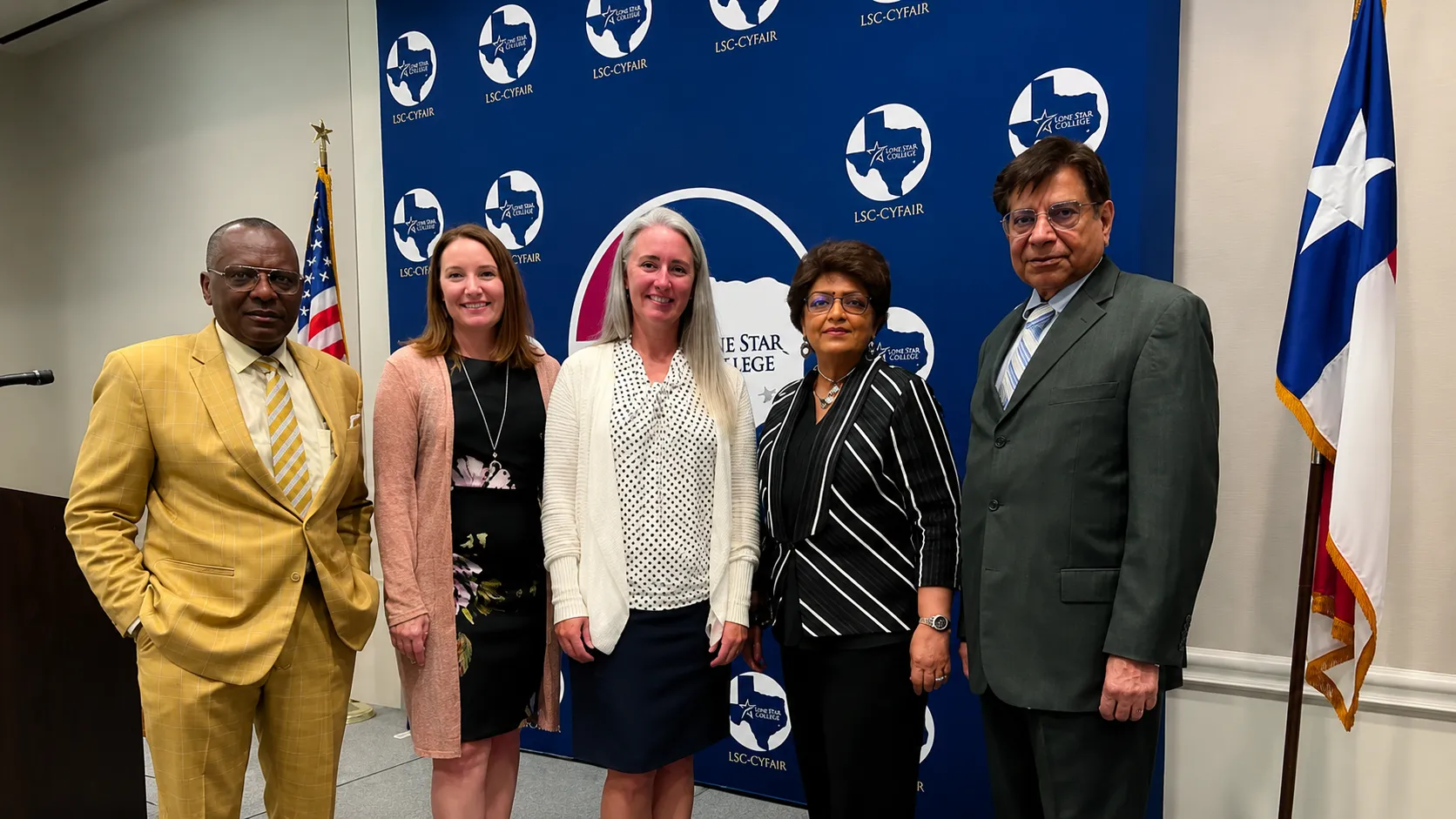
Lone Star College-CyFair has dedicated a conference room in honour of the Wadhwani family, marking the latest chapter in a philanthropic relationship between the Indian-American family and the Cypress, Texas community college. The dedication recognises a gift from the family that college officials say will support nursing education and equipment at the CyFair campus, one of the largest of the six colleges that make up the Lone Star College System.
Lone Star College-CyFair, which opened in August 2003 as Cy-Fair College before adopting its current name in 2008, has grown into one of the busiest campuses in the Lone Star System, now serving more than 16,000 students across a 200-acre suburban campus in unincorporated Harris County. Nursing has long been one of the college's flagship programmes: its Associate Degree Nursing programme is accredited by the Accreditation Commission for Education in Nursing and fully approved by the Texas Board of Nursing, feeding graduates directly into the Houston metro area's large and fast-growing healthcare workforce.
The Wadhwani name carries particular weight in circles connecting Indian-American philanthropy with American higher education and workforce development. Brothers Romesh and Sunil Wadhwani, technology entrepreneurs turned philanthropists, have built a track record of funding initiatives at the intersection of technology, workforce training and social impact — most notably through the Mumbai-based Wadhwani Institute for Artificial Intelligence, which they founded in 2018 with an initial $30 million philanthropic commitment focused on applying AI to challenges in agriculture, healthcare, education and financial inclusion across the developing world.
A gift supporting nursing education at a US community college sits somewhat differently within that broader philanthropic portfolio, reflecting a domestic, workforce-development-oriented strand of giving that runs alongside the family's larger global technology and AI-focused initiatives. Community colleges such as Lone Star College-CyFair play an outsized role in training the nurses, respiratory therapists and allied health professionals that Texas hospital systems depend on, particularly as the state's population continues to expand and as national nursing shortages persist in many regions.
For Lone Star College-CyFair, formally dedicating a conference room to donor families is a customary way of recognising philanthropic support that strengthens core academic infrastructure — in this case, resources tied directly to the nursing programme's equipment and instructional capacity. The gesture also reflects a broader, increasingly visible pattern within the Indian-American diaspora: families whose wealth originated in technology and global business are directing meaningful philanthropic capital toward American educational institutions, particularly community colleges and public universities that serve large numbers of first-generation and working-class students.
That pattern has become more pronounced across the diaspora's philanthropic landscape in recent years, from endowed scholarships at flagship state universities to targeted equipment and infrastructure gifts at two-year colleges that often receive less philanthropic attention than their four-year counterparts, despite training a disproportionate share of the country's nursing and healthcare workforce. The Wadhwani family's gift to Lone Star College-CyFair fits within that trend, directing resources toward the practical, hands-on infrastructure — clinical simulation equipment, lab resources and instructional space — that nursing programmes rely on to prepare students for licensure and clinical practice.
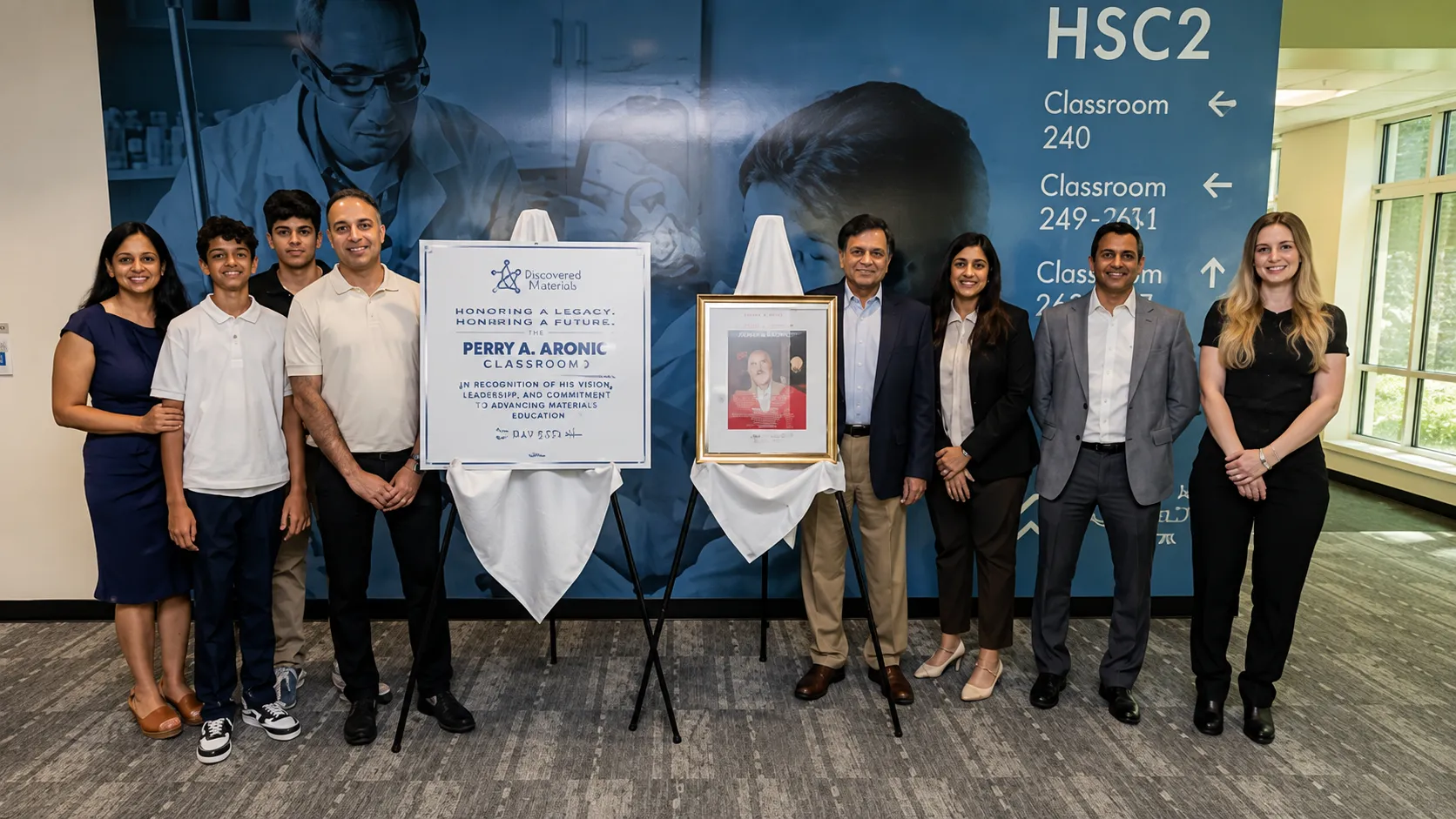
As Lone Star College-CyFair continues to expand its health-sciences offerings to meet regional demand, the newly dedicated Wadhwani Conference Room stands as a visible marker of that support — and as one more data point in the steadily deepening relationship between diaspora philanthropy and American public higher education.
The dedication also arrives against the backdrop of a persistent national nursing shortage that has left many US states, including Texas, dependent on community colleges to train the bulk of their entry-level registered nurse and vocational nurse workforce. Lone Star College System as a whole has positioned nursing and allied health among its highest-priority workforce programmes, alongside fields such as cybersecurity, welding and fire science, reflecting the system's broader mandate to train the Houston metro area's frontline workforce rather than solely prepare students for four-year transfer. Equipment-focused gifts of the kind recognised by the Wadhwani dedication are particularly consequential for nursing programmes specifically, where clinical simulation labs, mannequins and diagnostic equipment represent some of the largest capital costs a community college nursing department faces — costs that state funding formulas do not always fully cover.
The Wadhwani family's broader philanthropic footprint offers useful context for understanding the CyFair gift. Romesh and Sunil Wadhwani built their fortune primarily through enterprise software and technology ventures before turning increasingly toward philanthropy focused on workforce development, entrepreneurship and, through Wadhwani AI, applying artificial intelligence to problems of poverty and access in the developing world. That combination of technology-sector wealth and a stated focus on practical workforce outcomes situates gifts like the one at Lone Star College-CyFair within a consistent philosophical throughline for the family: funding the infrastructure that turns ordinary students into skilled, employable professionals, whether that means AI engineers in Mumbai or registered nurses in Cypress, Texas.
For the wider Indian-American philanthropic community, gifts directed at US community colleges remain comparatively rare relative to the far larger volume of diaspora giving aimed at flagship research universities, engineering programmes and STEM scholarships at four-year institutions. That imbalance has drawn periodic commentary from higher-education observers, who note that community colleges educate a disproportionately large share of first-generation, lower-income and immigrant students relative to the philanthropic attention and endowment support they typically receive. Gifts such as the Wadhwani family's contribution to Lone Star College-CyFair's nursing programme offer a counter-example — evidence that at least some of the diaspora's most established philanthropic names are extending their giving beyond the elite university tier and into the two-year institutions that quietly supply much of America's healthcare, technical and skilled-trades workforce.
College officials note that named-space dedications of this kind, while modest in physical footprint compared with a new academic building or wing, serve an important dual function: they provide immediate, tangible recognition for donor families while signalling to prospective donors that even mid-sized gifts targeted at specific departmental needs — rather than sweeping capital campaigns — can secure lasting recognition on campus. For a growing system like Lone Star College, which continues to expand enrolment and workforce programming across the greater Houston region, cultivating that kind of donor confidence at multiple gift sizes remains central to sustaining the philanthropic pipeline its health-sciences and technical programmes increasingly depend on.


