
As geopolitical uncertainty periodically unsettles travel plans to parts of the Middle East, Malaysian tourism authorities have leaned into a specific pitch to Indian travellers: proximity, ease of entry and a broad menu of experiences within a relatively compact, low-friction destination — an alternative, in effect, to the Gulf cities that have long anchored Indian outbound travel.
Malaysia's visa-free travel policy for Indian tourists, first introduced in recent years to spur exactly this kind of demand shift, has been extended through December 31, 2026, giving Indian travellers one less administrative hurdle relative to some competing destinations. Combined with flight times considerably shorter than routes to Europe or North America, Malaysian officials argue the country offers Indian tourists — particularly those previously drawn to destinations such as Dubai and Abu Dhabi — a comparably rich but logistically simpler option.
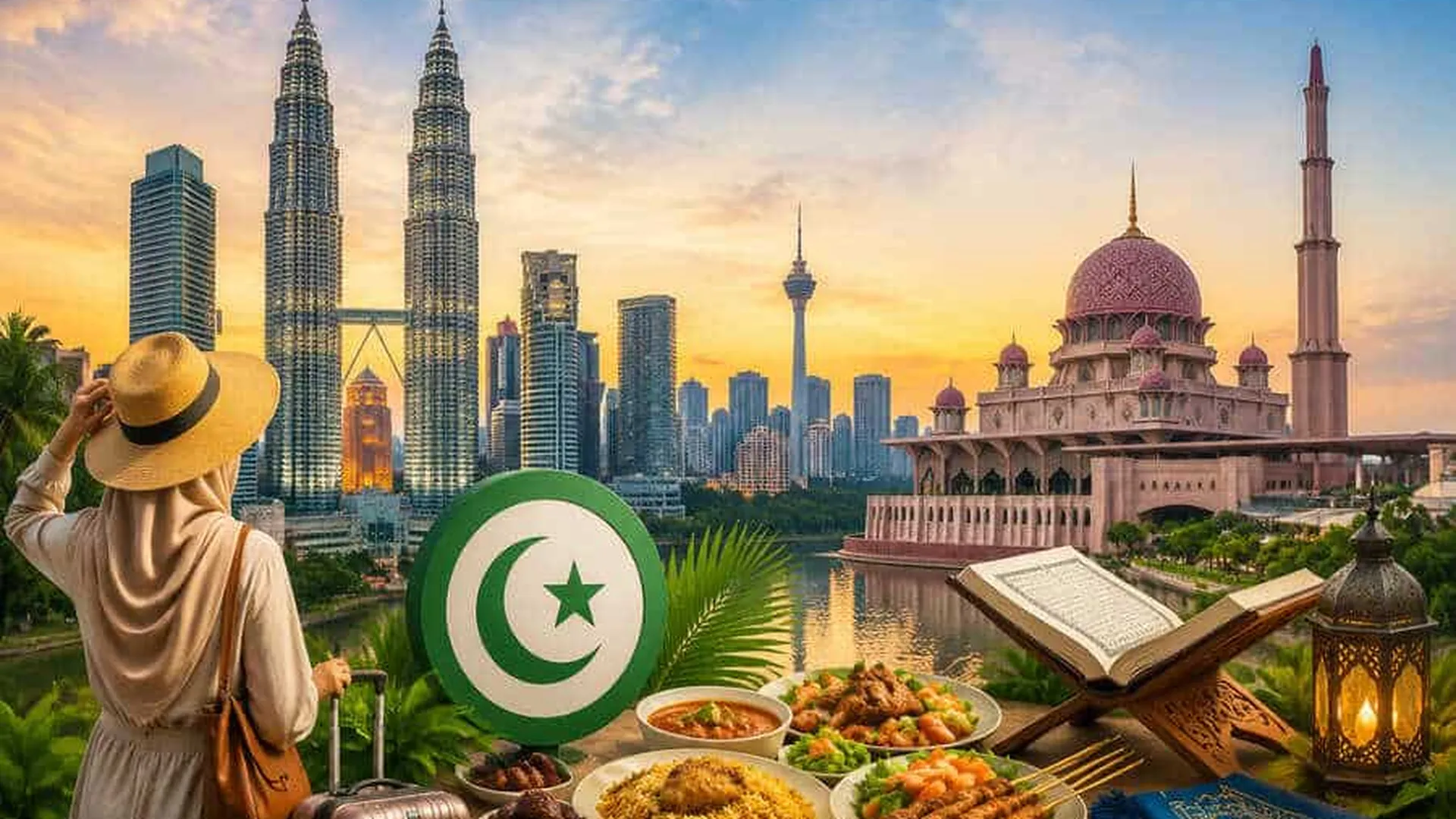
The pitch rests on Malaysia's ability to bundle several distinct travel experiences into a single, manageable trip: modern cities anchored by Kuala Lumpur's skyline and shopping districts, tropical island getaways in Langkawi and around Sabah, rainforest and ecotourism offerings, and luxury resort options that Malaysian tourism marketers position as offering premium experiences at a relatively affordable price point compared with some Gulf alternatives.
Direct flight connectivity has reinforced the pitch. Malaysia Airlines, AirAsia, Batik Air, Air India and IndiGo collectively operate more than 230 weekly flights linking Indian cities to Malaysia, giving travellers from a growing number of Indian metros — not just the traditional gateway cities — relatively easy access to short-haul international breaks.
Malaysian tourism officials have also pointed to Penang's UNESCO-recognised street food heritage — itself shaped by generations of Malay, Chinese and Indian culinary influence — as a distinctive draw for Indian travellers seeking culturally resonant experiences rather than a purely transactional beach holiday. That blended cultural identity, built on Malaysia's own multi-ethnic population including its long-established Indian community, has become a recurring theme in the country's outreach to Indian consumers.
Whether this positioning translates into a durable, structural shift in Indian outbound travel patterns — rather than a temporary redirection driven by short-term regional volatility — remains to be seen. Gulf destinations retain deep, decades-old ties to the Indian diaspora, including millions of Indian residents in the UAE alone, and are unlikely to cede their position as top outbound destinations easily.
But for Malaysian tourism planners, even a modest, sustained diversion of Indian travel demand toward Southeast Asia would represent a meaningful win — one they are betting on through a combination of extended visa exemptions, expanding air connectivity and a marketing message built around familiarity, affordability and reduced travel friction relative to destinations further afield.


