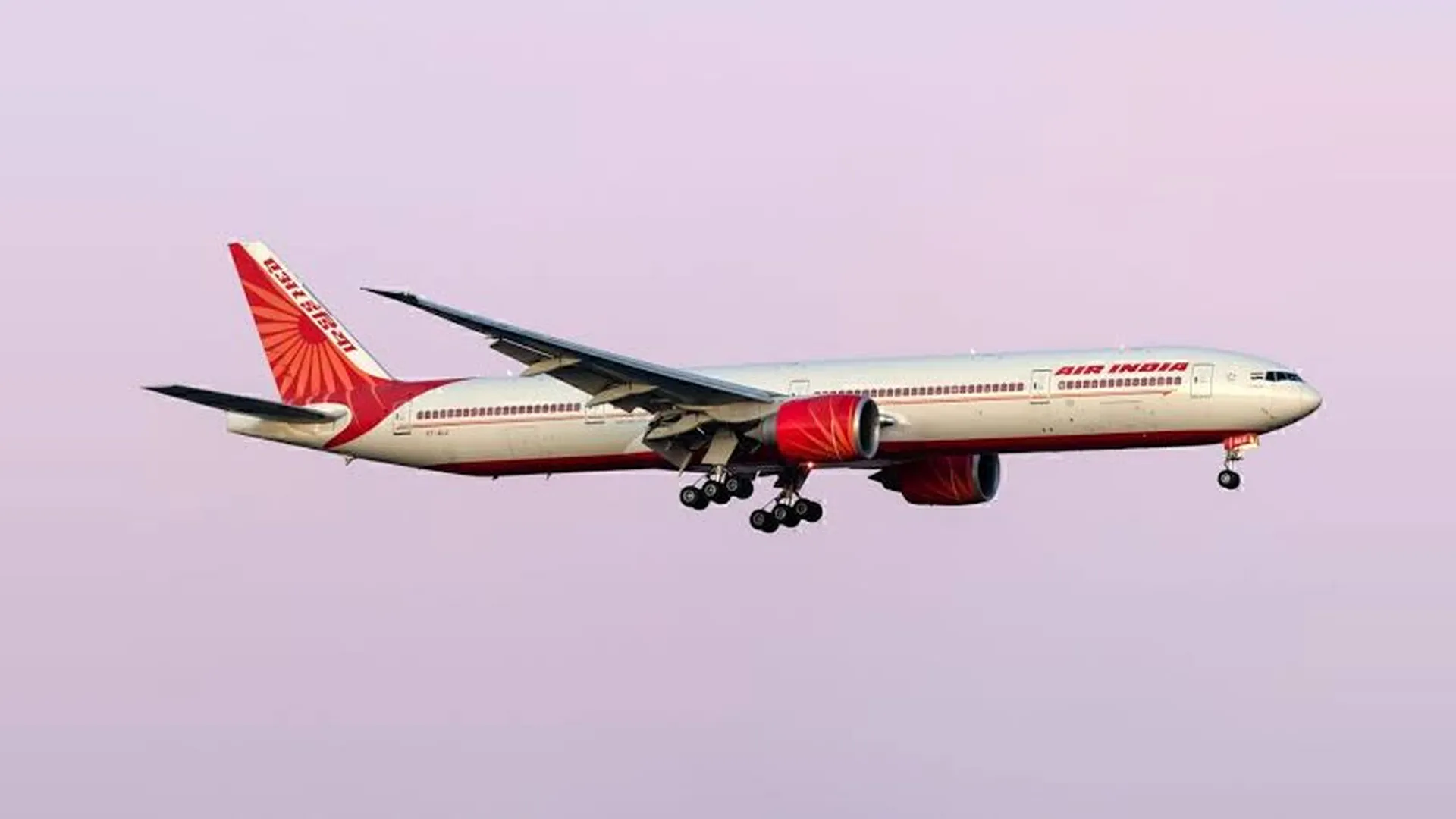
Air connectivity between India and Malaysia has expanded to more than 230 weekly flights, spread across five airlines and linking 14 Indian cities to Malaysian destinations — infrastructure that Malaysian tourism officials describe as foundational to the country's push to attract 2.1 million Indian visitors in 2026.
Malaysia Airlines, Batik Air, AirAsia, Air India and IndiGo collectively operate the route network, giving Indian travellers a wider range of departure cities than the traditional handful of metro gateways that once dominated India-Malaysia air travel. That breadth matters for a tourism strategy increasingly focused on South India, where cities beyond Bengaluru and Chennai have historically had thinner direct connectivity to Southeast Asia.
Malaysia Airlines has moved to add capacity specifically targeting South India, increasing its India route capacity this year with a new daily service to Thiruvananthapuram, the capital of Kerala. The addition lifts weekly airline seat capacity between India and Malaysia from roughly 43,000 to more than 45,000 — a modest but telling increase that reflects carriers' confidence in sustained demand growth from the Indian market.
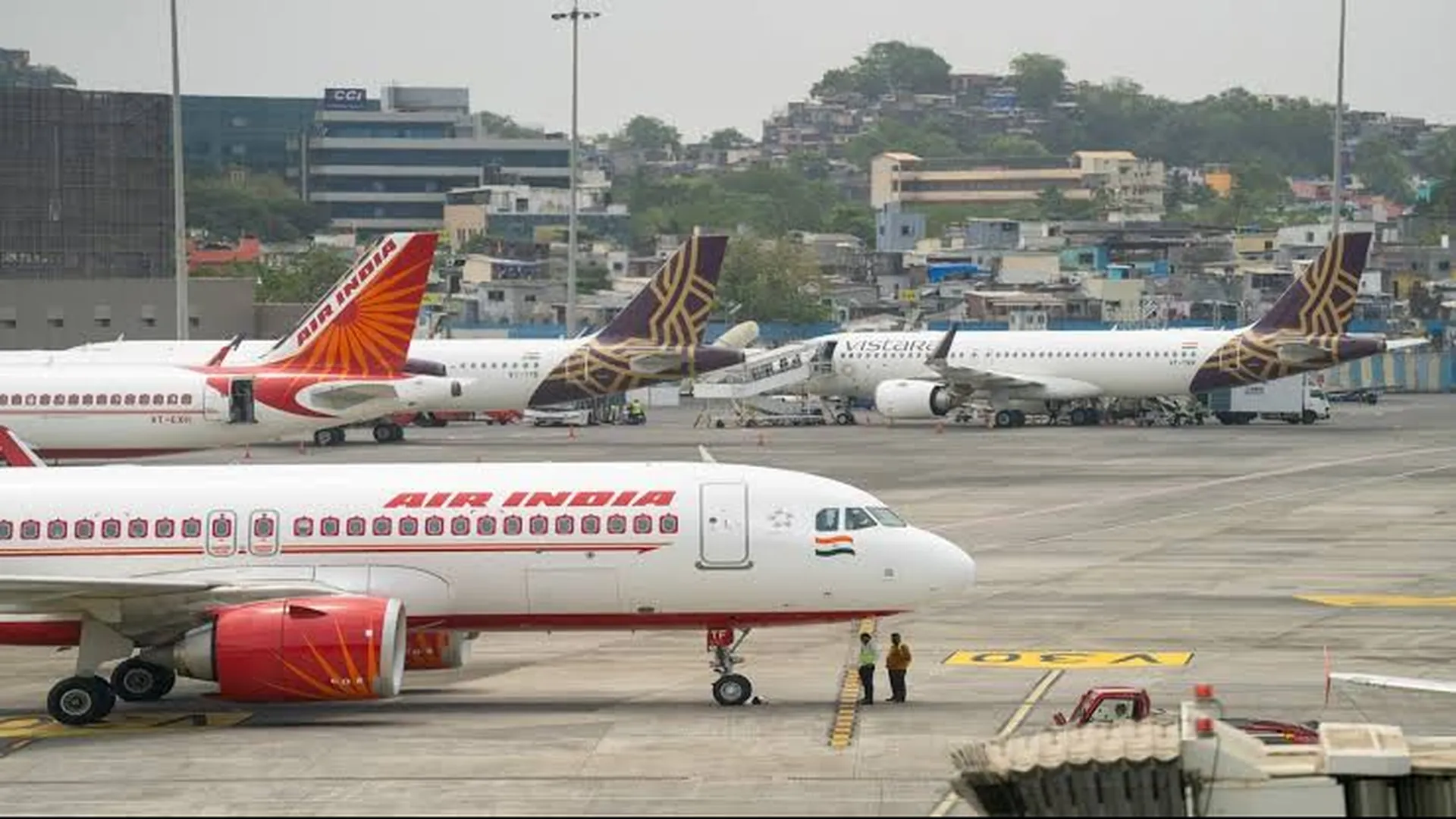
The expanded network builds on several years of steady growth in India-Malaysia air travel, tracking closely with the broader rise in Indian visitor arrivals — from roughly 1.36 million in 2024 to 1.56 million in 2025, with Tourism Malaysia targeting 2.1 million for 2026. Airlines have generally moved in step with, rather than ahead of, that demand curve, adding capacity incrementally as passenger load factors on existing routes have justified expansion.
For Malaysian tourism planners, the connectivity build-out is as much about diversifying the source of arrivals within India as it is about raw seat capacity. Historically concentrated flows from Delhi, Mumbai, Bengaluru and Chennai are gradually being supplemented by direct or near-direct access from secondary cities, a shift that tourism officials hope will widen the base of Indian travellers considering Malaysia rather than relying disproportionately on a handful of established metro markets.
The connectivity expansion also dovetails with Malaysia's extended visa-free access for Indian travellers, which remains in place through December 31, 2026. Together, easier entry requirements and a wider flight network form the two pillars of Malaysia's practical case to Indian travellers — removing friction on both the booking and border-crossing ends of the journey.
Whether airlines continue to add capacity at the current pace will likely hinge on how closely actual 2026 arrivals track Tourism Malaysia's 2.1 million target. But for now, the trajectory points in one direction: an India-Malaysia air corridor that has moved from a handful of high-frequency routes between major hubs toward a broader, more distributed network reaching deeper into India's regional travel markets.