DiasporaImpact8 MIN READ

Malaysia Widens Financing and Entrepreneurship Access for Indian Community Under Expanded MITRA Push

Malaysia's government has reaffirmed plans to widen financing access for Indian entrepreneurs and strengthen the Malaysian Indian Community Transformation Unit (MITRA), as engagement sessions with community leaders continue into Budget 2027 planning.

By Aravind Kumar · Author7 September 2026New
Malaysia Widens Financing and Entrepreneurship Access for Indian Community Under Expanded MITRA Push

Malaysia's government has reaffirmed its commitment to widening financing access for Indian entrepreneurs and strengthening the Malaysian Indian Community Transformation Unit, known as MITRA, as part of continued engagement sessions with Indian community leaders running into planning for Budget 2027.

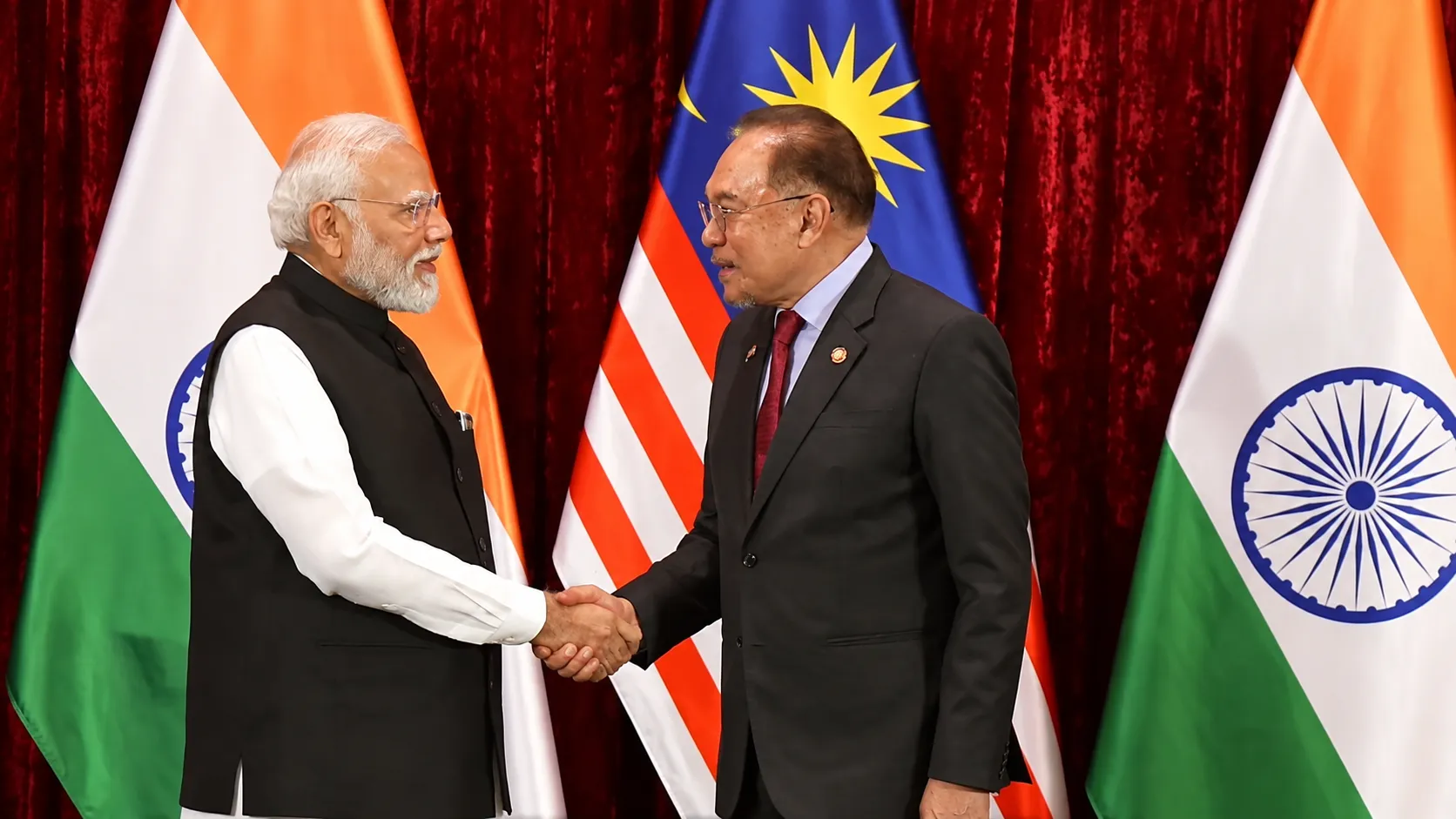
The efforts were outlined by Prime Minister Anwar Ibrahim in a Facebook post on the evening of September 3, 2026, following a fresh round of engagement sessions with Indian community leaders aimed at reviewing progress on existing initiatives and gathering input on unresolved concerns. "Various efforts have been undertaken in education, entrepreneurship, microfinancing, welfare and cash assistance to ease the burden on families and improve their standard of living," he said, according to reports carried by Malay Mail and The Star on September 3 and 4.

The announcement specifically cited four priority areas: widening access to financing for entrepreneurs, strengthening MITRA, enhancing entrepreneurship and Technical and Vocational Education and Training (TVET) programmes, and creating more youth development opportunities through mentor-mentee programmes — a package spanning business, skills training and community welfare rather than any single scheme.

MITRA, established in 2014 under its earlier structure as the Socioeconomic Development of the Indian Community (SEDIC) unit before being reorganised under its current name, has become the government's primary vehicle for coordinating socioeconomic, educational, entrepreneurial and welfare initiatives specifically targeted at Malaysia's Indian community. The unit's total allocation for 2026 stands at RM150 million, following an additional RM50 million top-up announced earlier in the year, which Human Resources Minister Datuk Seri R. Ramanan said would allow the government to "further increase the amount of assistance and help more people in need."

Beyond MITRA's own budget, several other government agencies channel parallel funding streams specifically toward Indian entrepreneurs and families. These include RM100 million disbursed through Amanah Ikhtiar Malaysia's PENN 2.0 programme, a further RM100 million from TEKUN Nasional, and RM50 million from SME Bank earmarked for Indian entrepreneurs, according to figures cited around the Prime Minister's earlier engagement with Indian students at Universiti Malaya. Separately, the Ministry of Entrepreneur Development and Cooperatives has approved RM70 million in financing for close to 2,000 Indian entrepreneurs nationwide under 2026 programming, while TEKUN's SPUMI Goes Big scheme has added a further RM30 million aimed at helping more than 2,000 Indian entrepreneurs expand their existing businesses.
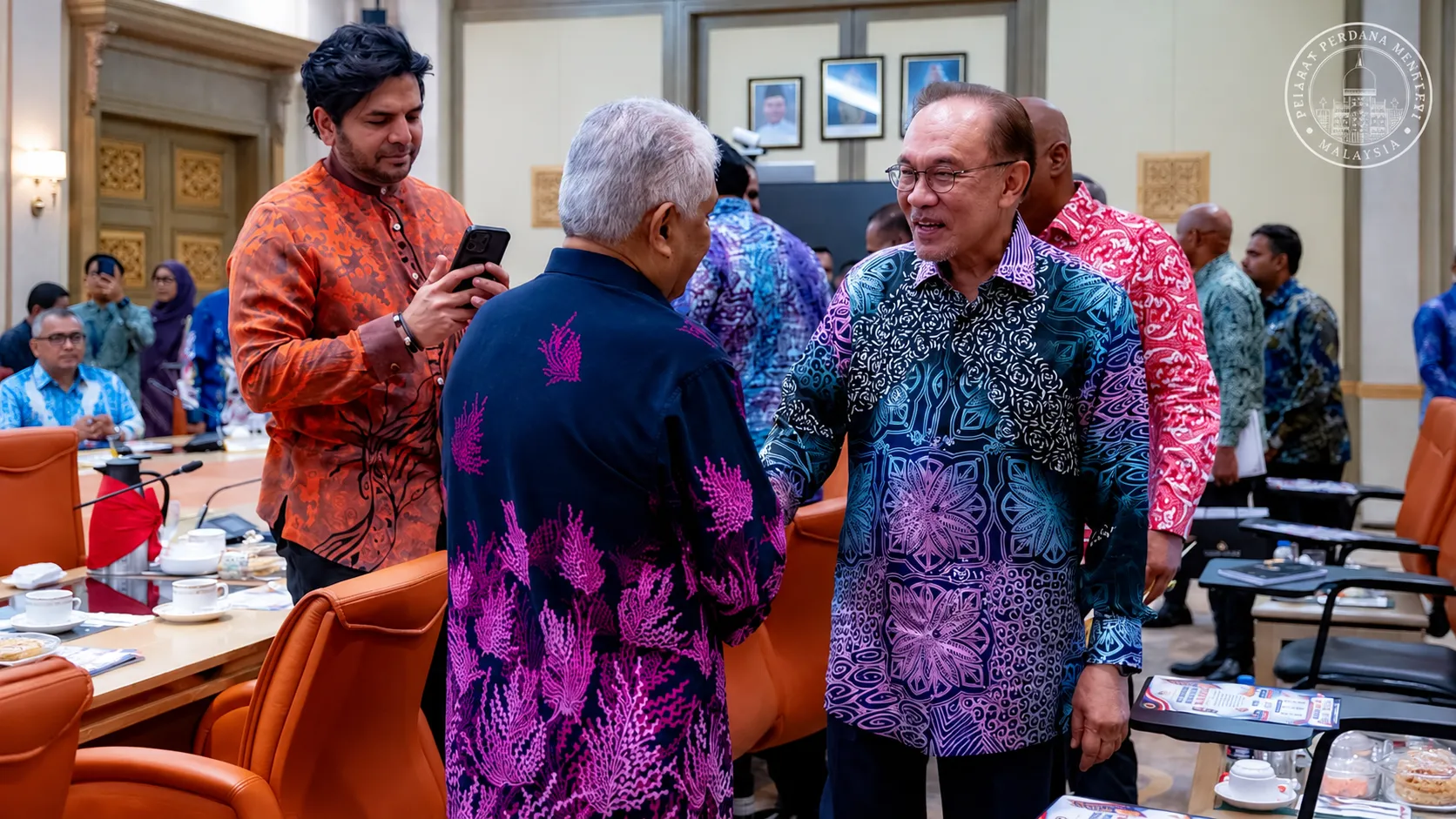
Various efforts have been undertaken in education, entrepreneurship, microfinancing, welfare and cash assistance to ease the burden on families and improve their standard of living.
Anwar Ibrahim, Prime Minister of Malaysia

image.png

On the education and welfare side, MITRA's Phase 1 programme for 2026 has included the Celik MADANI initiative, which provides early childhood education subsidies of up to RM2,530 per child to 4,000 B40 Indian children, backed by a RM10 million allocation. Deputy Minister of Entrepreneur and Cooperatives Development Datuk Seri R. Ramanan has described the practice of channelling MITRA-linked funds through multiple implementing agencies — rather than a single central body — as an inter-agency cooperation mechanism intended to ensure allocations reach intended beneficiaries directly, addressing cross-ministerial issues spanning education, welfare and basic infrastructure for the community.

The continued engagement sessions come as the government finalises input for Budget 2027, with Anwar's office indicating that community suggestions raised during the sessions would receive continuous follow-up rather than being treated as a one-off consultation. Ipoh Barat MP M. Kulasegaran, writing separately on the broader MITRA push, described the approach as one that should prioritise "education, digital access, TVET and skills training, professional certification opportunities, youth employment, women empowerment, entrepreneurship development, participation in strategic industries," alongside stronger monitoring and evaluation of programme outcomes — framing that reflects a broader push among community representatives to see MITRA evolve from a welfare-support unit into a longer-term economic-mobility platform.

For Malaysia's Indian community, which numbers among the largest Indian diaspora populations globally, the combination of direct MITRA funding, agency-level entrepreneur financing through AIM, TEKUN and SME Bank, and targeted education subsidies represents one of the more structured, multi-agency approaches to diaspora economic development currently in place across Southeast Asia. The programmes span the full spectrum from early childhood education support to microfinancing for established entrepreneurs looking to scale.

With Budget 2027 planning now underway, the coming months are likely to clarify whether MITRA's current RM150 million allocation, and the parallel agency-level financing streams around it, will be expanded further — a question community leaders and MPs alike have signalled they will continue to press as engagement sessions with the Prime Minister's office continue.

TagsMalaysiaIndian DiasporaMITRAEntrepreneurshipTVETFinancingImpactSoutheast Asia

Reader reviews

Sign in to rate and review this article.
Loading reviews…