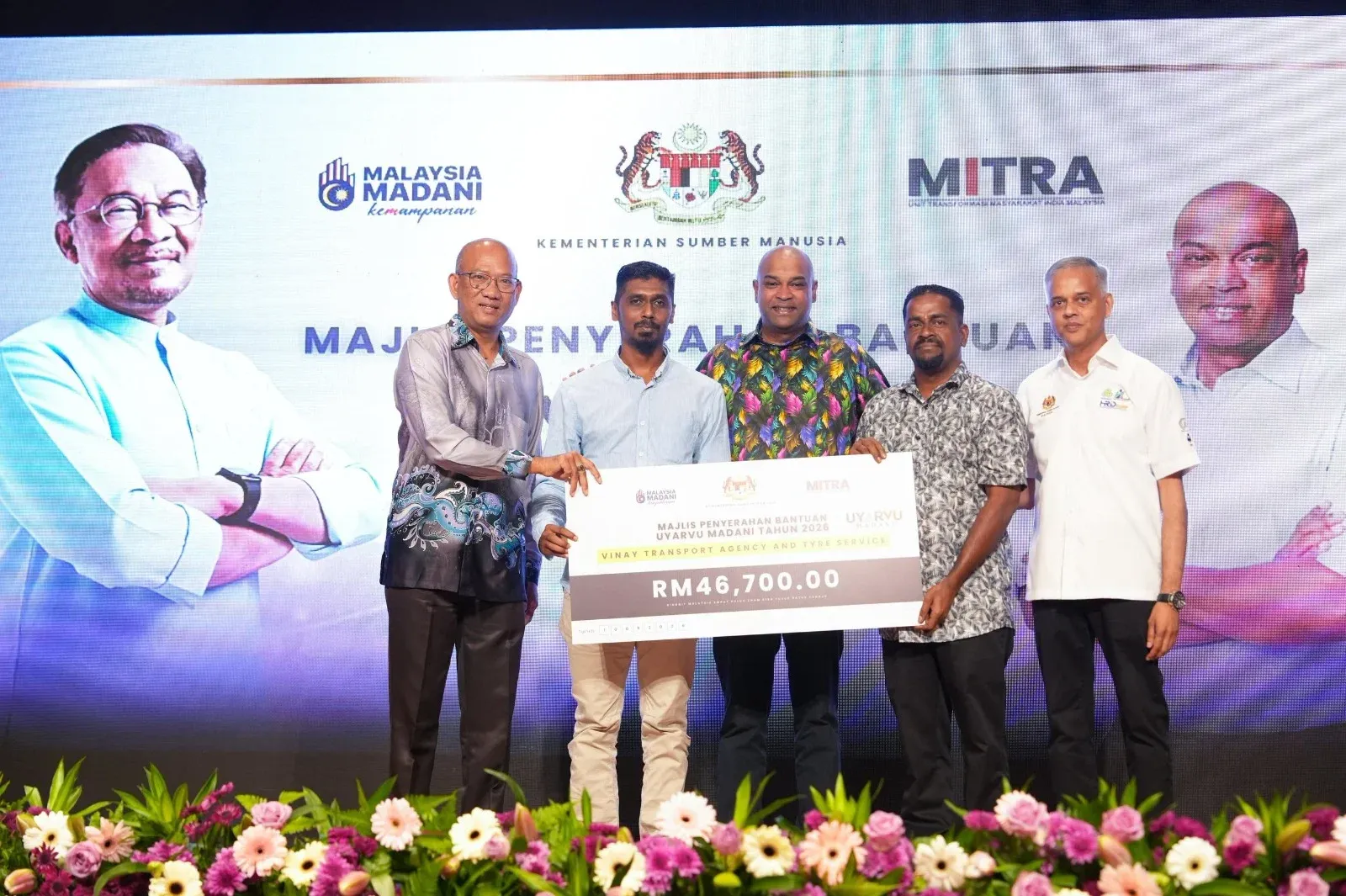
Malaysia's Ministry of Human Resources, together with the Malaysian Indian Transformation Unit, known as MITRA, announced seven new initiatives worth a combined RM59.76 million on September 11, aimed at strengthening socioeconomic, education and community support for the country's Indian community. The announcement was made during the Uyarvu MADANI Grant Presentation Ceremony Series 2, with Human Resources Minister YB Dato' Sri Ramanan Ramakrishnan unveiling the package.
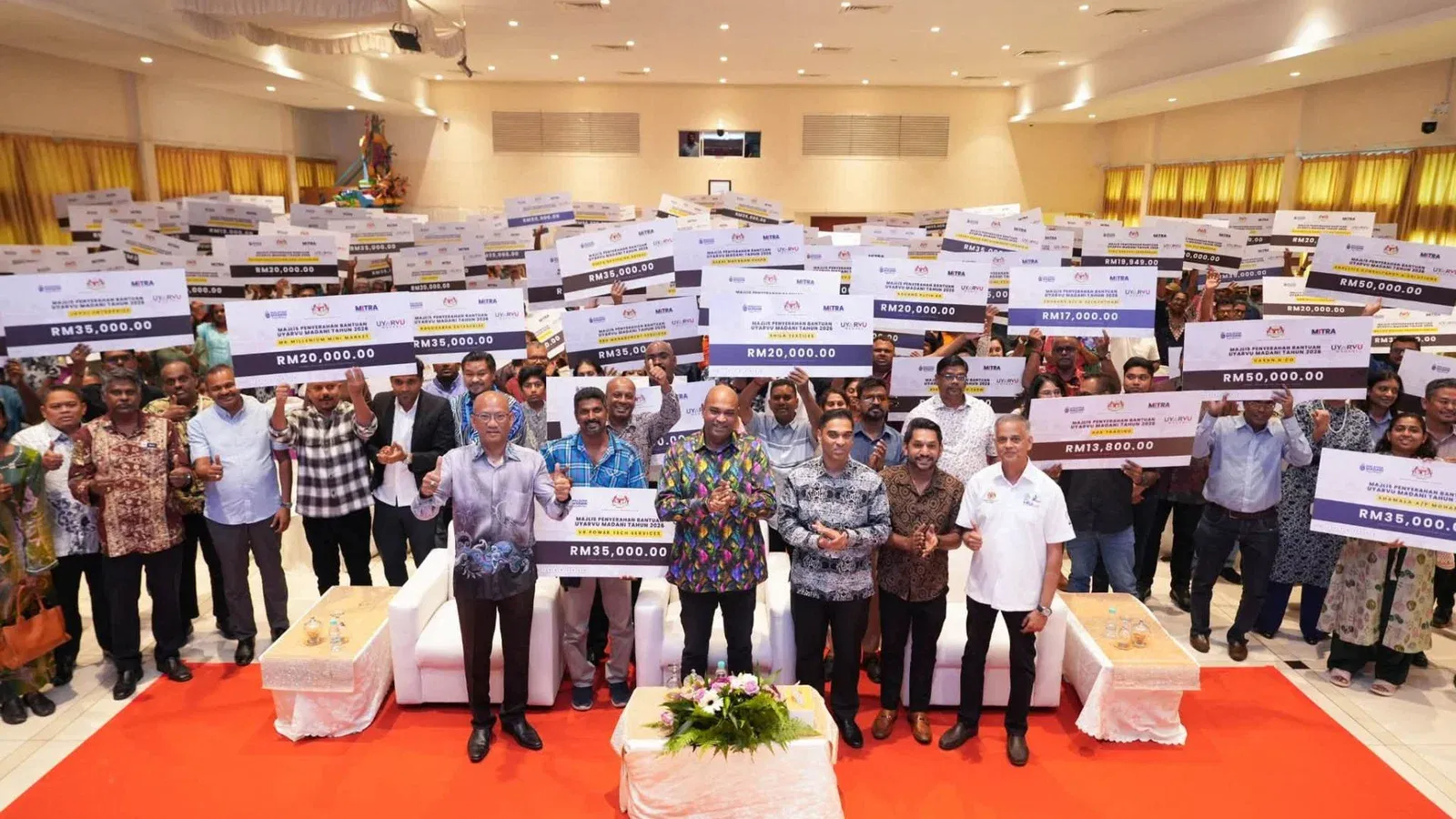
The largest single component of the package is Uyarvu MADANI 2.0, which allocates RM50 million to empower 1,400 B40 and M40 category micro, small and medium enterprises. The B40 and M40 designations refer to Malaysia's income-based household classification system, covering the bottom 40 percent and middle 40 percent of earners respectively, and are commonly used as targeting criteria for government support programmes aimed at strengthening economic mobility among lower- and middle-income households.
On the education side, the RM13.25 million Peranti MADANI Programme will provide digital devices to students, addressing a persistent barrier to educational access and digital participation among lower-income Indian Malaysian households. Access to computing devices has become an increasingly central factor in educational outcomes as Malaysian schools and universities have expanded digital and hybrid learning components, making device access a practical determinant of whether students can fully participate in coursework and examinations.
The remaining initiatives within the RM59.76 million package span further socioeconomic and community support measures, reflecting a broader strategy that combines direct business funding with education infrastructure support rather than relying on a single intervention type. This mixed approach echoes similar community empowerment programmes MITRA and related government bodies have rolled out in previous years, typically combining entrepreneurship grants, skills training and education support under a single funding umbrella.
Malaysia is home to one of the largest Indian-origin communities outside India, with Indian Malaysians constituting roughly nine to ten percent of the country's population and forming the third-largest ethnic community after Malays and Chinese Malaysians. Tamils make up the largest sub-community within this group, alongside significant Malayali, Sindhi and Punjabi populations. Economic marginalisation and educational gaps affecting segments of the Indian Malaysian community have long been documented policy concerns, and targeted programmes such as this latest RM59.76 million package are typically framed by Malaysian officials as part of a continuing effort to address those structural gaps.
MITRA, established as a dedicated government unit focused on Indian community transformation, has become the primary institutional vehicle through which such targeted socioeconomic support is channelled, working alongside the Ministry of Human Resources and other government bodies to design and disburse funding programmes specific to the community's needs. The unit's role reflects a broader approach within Malaysian public policy of using ethnically targeted transformation units to address persistent disparities that broader, non-targeted national programmes have not fully resolved.
For the roughly 1,400 MSMEs expected to benefit from Uyarvu MADANI 2.0, the funding offers a potential pathway to formalise or expand small businesses that might otherwise struggle to access conventional bank financing, particularly given that many micro and small enterprises within the B40 and M40 segments operate with limited collateral or credit history. Combined with the education-focused Peranti MADANI Programme, the package represents a dual approach — supporting income generation in the present while investing in the digital readiness of the next generation of Indian Malaysian students.