India's primary equity market remained unusually active through the second week of September, with Manika Plastech opening its Rs 125.50 crore initial public offering on September 11 to strong early demand and Steamhouse India's issue closing out an oversubscribed run at 8.36 times by the third day of bidding, according to market data confirmed on the same date.
Manika Plastech's IPO was priced with a band of Rs 40 to Rs 43 per share, valuing the company at approximately Rs 501 crore at the upper end of the range. The issue generated notable early buzz in the unofficial grey market, where shares were commanding a premium of around 30% over the upper price band ahead of listing — a signal that retail and unlisted-market investors were pricing in meaningful listing-day gains, though grey market premiums are unofficial indicators and carry no guarantee of translating into actual listing performance once the stock begins formal trading on the exchanges.
Steamhouse India's issue, meanwhile, capped a strong subscription period with a cumulative bid-to-offer ratio of 8.36 times by 1 p.m. on the third and final day of bidding, September 11, driven predominantly by strong demand from non-institutional investors — a category that typically includes high-net-worth individuals and smaller corporate bidders rather than large institutional funds. The issue's grey market premium stood at approximately Rs 23 ahead of listing, implying a potential listing-day gain of around 28% over its Rs 81 upper price band, based on informal market pricing.
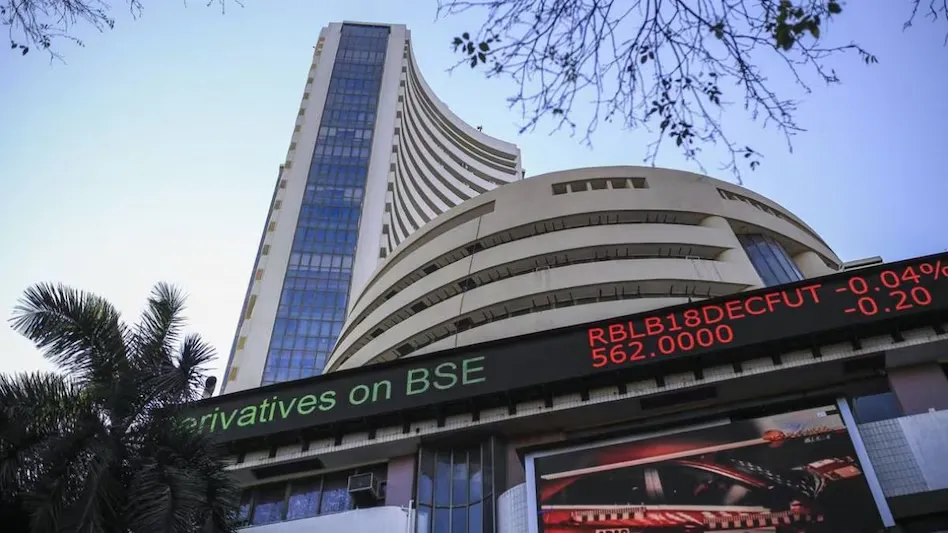
The two offerings formed part of a broader and unusually crowded IPO calendar, with sixteen companies scheduled to enter India's primary market between September 7 and September 11 alone, targeting a combined fundraising figure of more than Rs 7,190 crore across a mix of twelve mainboard listings and four SME issues. The sheer density of that calendar — spanning sectors including real estate, engineering, chemicals, consumer rentals, financial services, renewable energy, logistics and manufacturing — reflects both a strong revival in India's primary market activity through 2026 and a degree of scheduling clustering among issuers seeking to complete listings before any potential shift in market sentiment.
That broader IPO wave has coincided with a period of some volatility in India's secondary markets, with benchmark indices facing pressure earlier in the month from rising global oil prices and the widening conflict between the United States and Iran, even as the primary market for new listings has continued to draw strong investor participation. The divergence illustrates a pattern increasingly common in Indian markets, where investor appetite for new, differentiated business models via IPOs has in some periods remained more resilient than sentiment toward already-listed large-cap stocks facing macro headwinds.
For companies weighing IPO timing over the remainder of 2026, the strong subscription figures for both Manika Plastech and Steamhouse India — alongside a broader run of successful mainboard and SME listings through the first half of September — are likely to be read as an encouraging signal, even as market watchers caution that subscription numbers and grey market premiums reflect sentiment at the point of bidding rather than a guarantee of sustained post-listing performance. Selective demand patterns across the sixteen-company IPO calendar this week, with some issues drawing considerably stronger interest than others, suggest investors remain valuation-conscious even amid an otherwise buoyant primary market.
Both Manika Plastech and Steamhouse India are expected to proceed toward finalising share allotment and listing in the days following the close of their respective subscription periods, with retail investors able to track allotment status through the National Stock Exchange, Bombay Stock Exchange and registrar portals once the process is finalised. The performance of both stocks on listing day will offer an early read on whether the grey market premiums observed ahead of listing translate into actual first-day trading gains — a test that has produced mixed results across India's IPO market through 2026, even during periods of otherwise strong overall subscription demand.