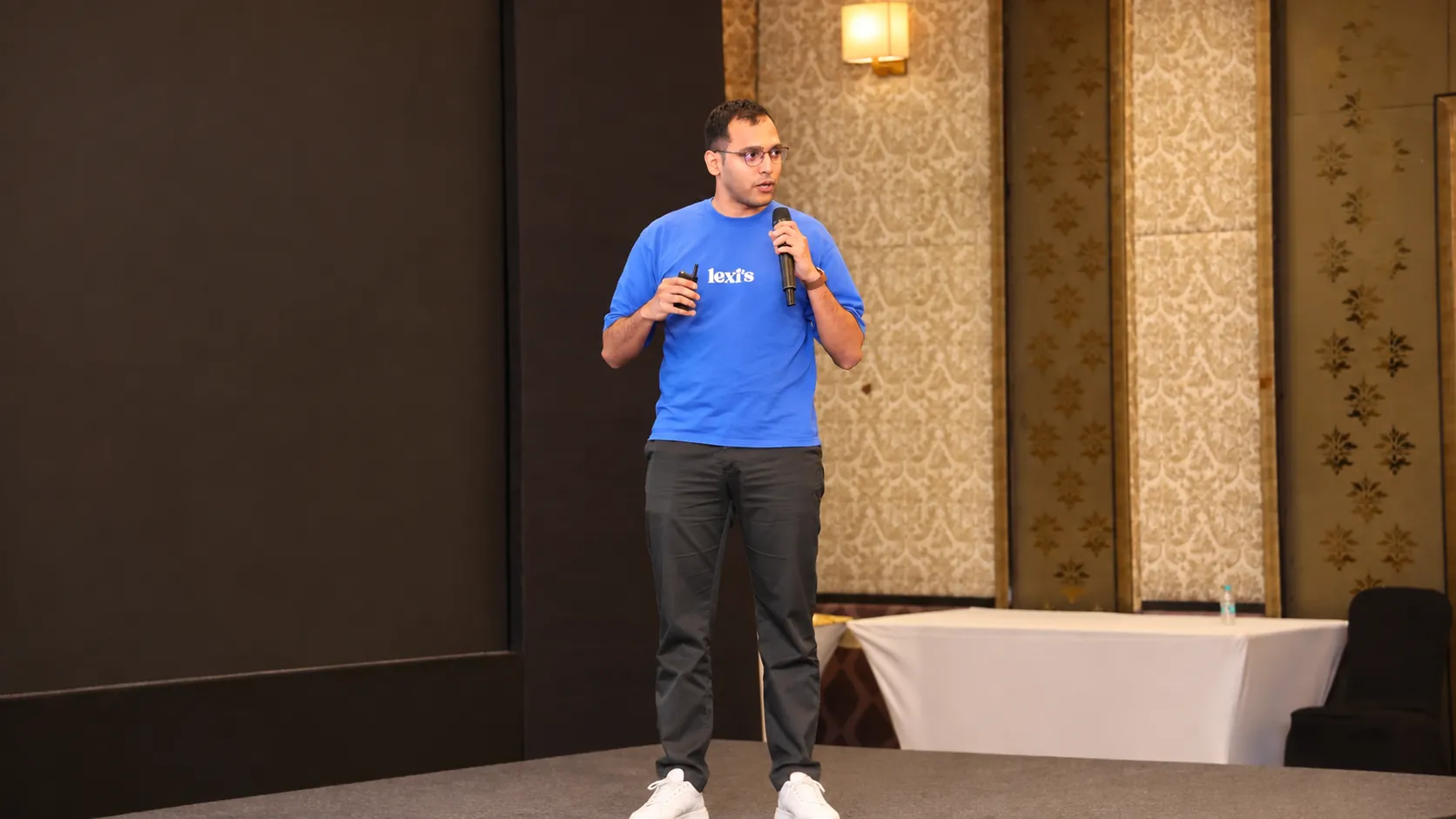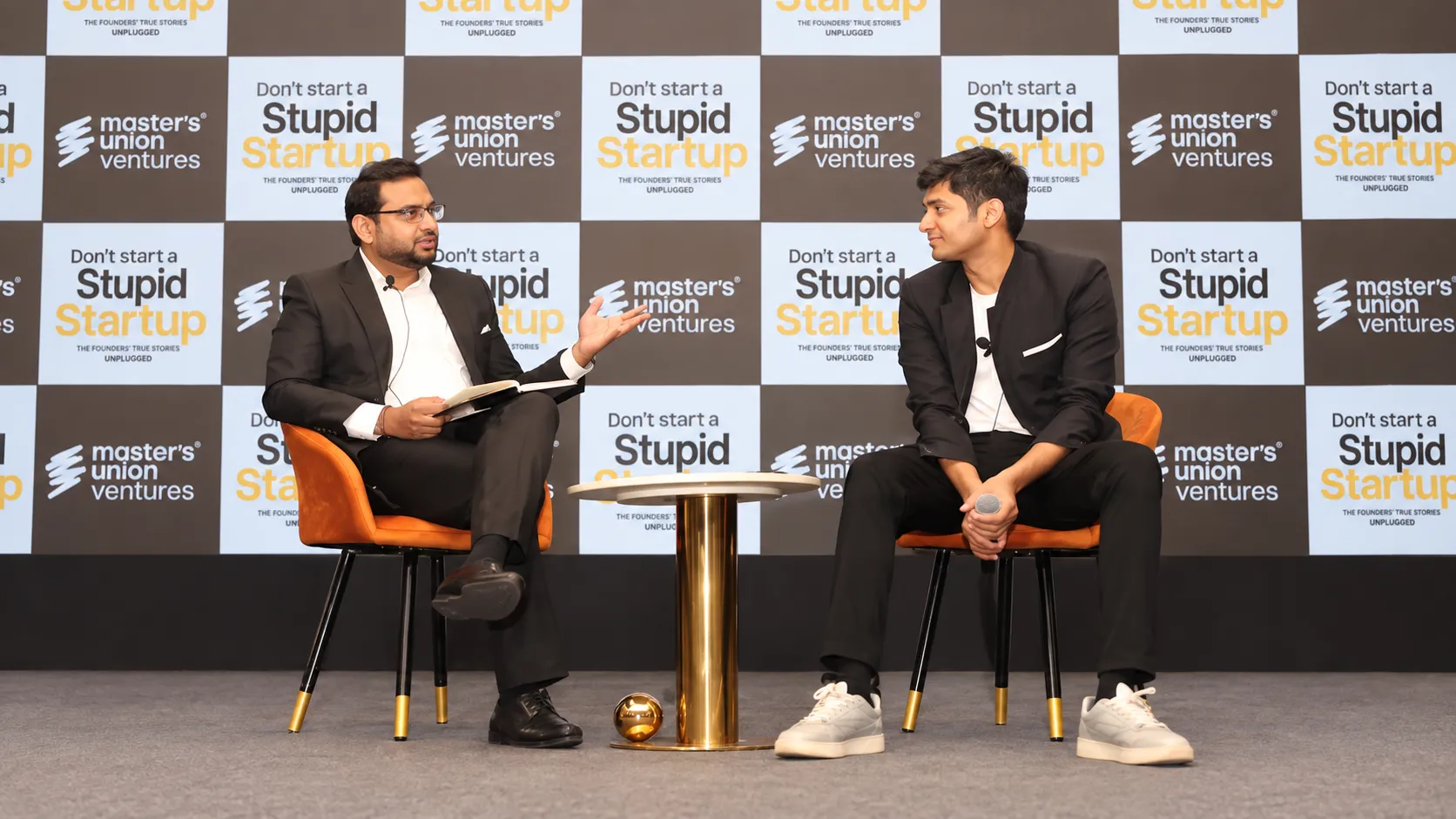
Masters' Union Ventures, the venture arm associated with the Gurugram-based business school Masters' Union, held its first Demo Day in Bengaluru, where 25 student-led startups secured soft-funding commitments of nearly ₹60 crore within an hour of pitching, according to an announcement on 22 September 2026.
The event brought together more than 65 venture capital firms and angel investors. Participating startups spanned artificial intelligence, climate technology, space technology, biotechnology, consumer businesses and advanced manufacturing, reflecting the increasingly ambitious scope of student entrepreneurship in India.
Sanyark, Saubha Aerial Systems and CarbonM were among the startups that received significant investor interest, the organisers said.
Understanding soft commitments
The headline figure warrants careful interpretation. Soft commitments are expressions of intent rather than signed investments. Investors indicate interest in participating in a round, subject to due diligence, negotiation of terms and final approvals. In practice, the proportion of soft commitments that convert into completed investments varies considerably, and some deals may close at different amounts or valuations than initially discussed.
Even so, the speed and scale of investor interest are notable. Securing indicative commitments of this size within an hour suggests that the startups were well prepared, that investors had been engaged in advance, and that there is genuine appetite for early exposure to student-founded companies in emerging technology sectors.
A pipeline built inside the classroom
About 60% of the participating startups were built through Masters' Union's Venture Initiation Programme (VIP), an incubation track that allows students to develop companies alongside their studies. The programme and related initiatives have supported more than 80 student startups, and 50 VIP-incubated ventures have collectively raised over ₹320 crore, according to the organisers.
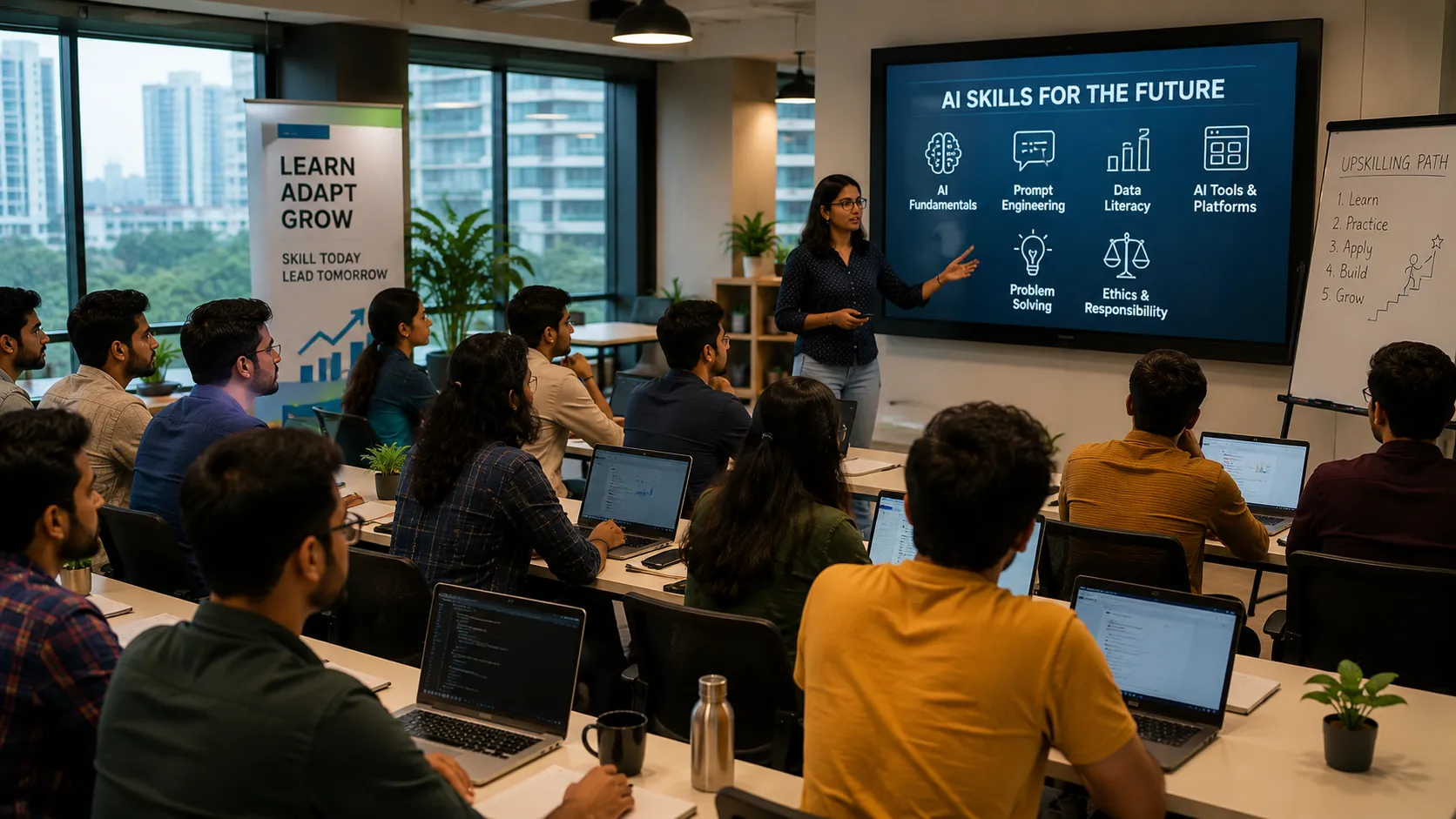
Those numbers point to a broader shift in Indian management and technology education. Business schools have traditionally prepared students for careers in consulting, finance and large corporations. A growing number now treat entrepreneurship as a core outcome, offering incubation, mentorship, seed capital and investor access as part of the curriculum.
This model has well-known precedents internationally. Universities such as Stanford and MIT have long been associated with startup ecosystems that draw on student and faculty ventures. In India, institutions including the IITs and IIMs have built incubators that have produced successful companies. Masters' Union's approach, which integrates venture building directly into its programmes and adds a dedicated demo day, is part of that evolution.
Deep tech on the student agenda
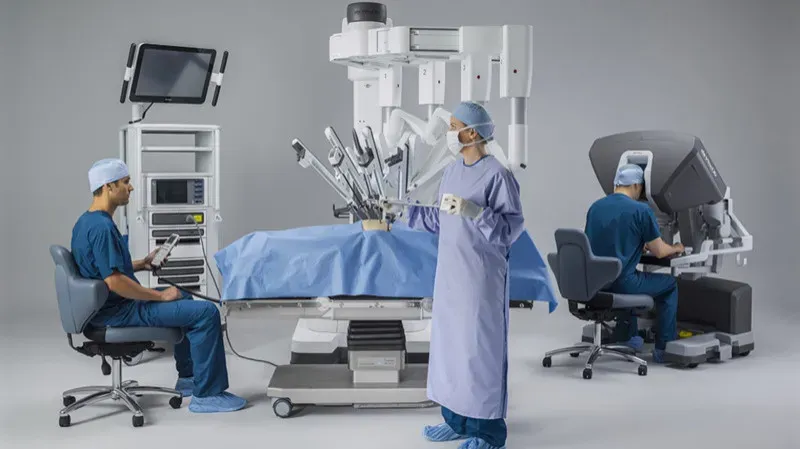
The sectoral mix at the Demo Day was striking. Alongside consumer brands, investors heard pitches from startups in climate, space and biotechnology, areas that typically require specialised knowledge and longer development cycles. Saubha Aerial Systems, as its name suggests, works in aerial systems, a sector that has grown in importance as India opens its drone and defence markets to private players. CarbonM's interest from investors reflects continuing attention to climate solutions.
The presence of deep-tech ventures among student startups reflects both the availability of technical talent and the growing policy support for sectors such as drones, space and clean energy. Government reforms have created opportunities for private companies in areas once dominated by public-sector organisations, and young founders are responding.