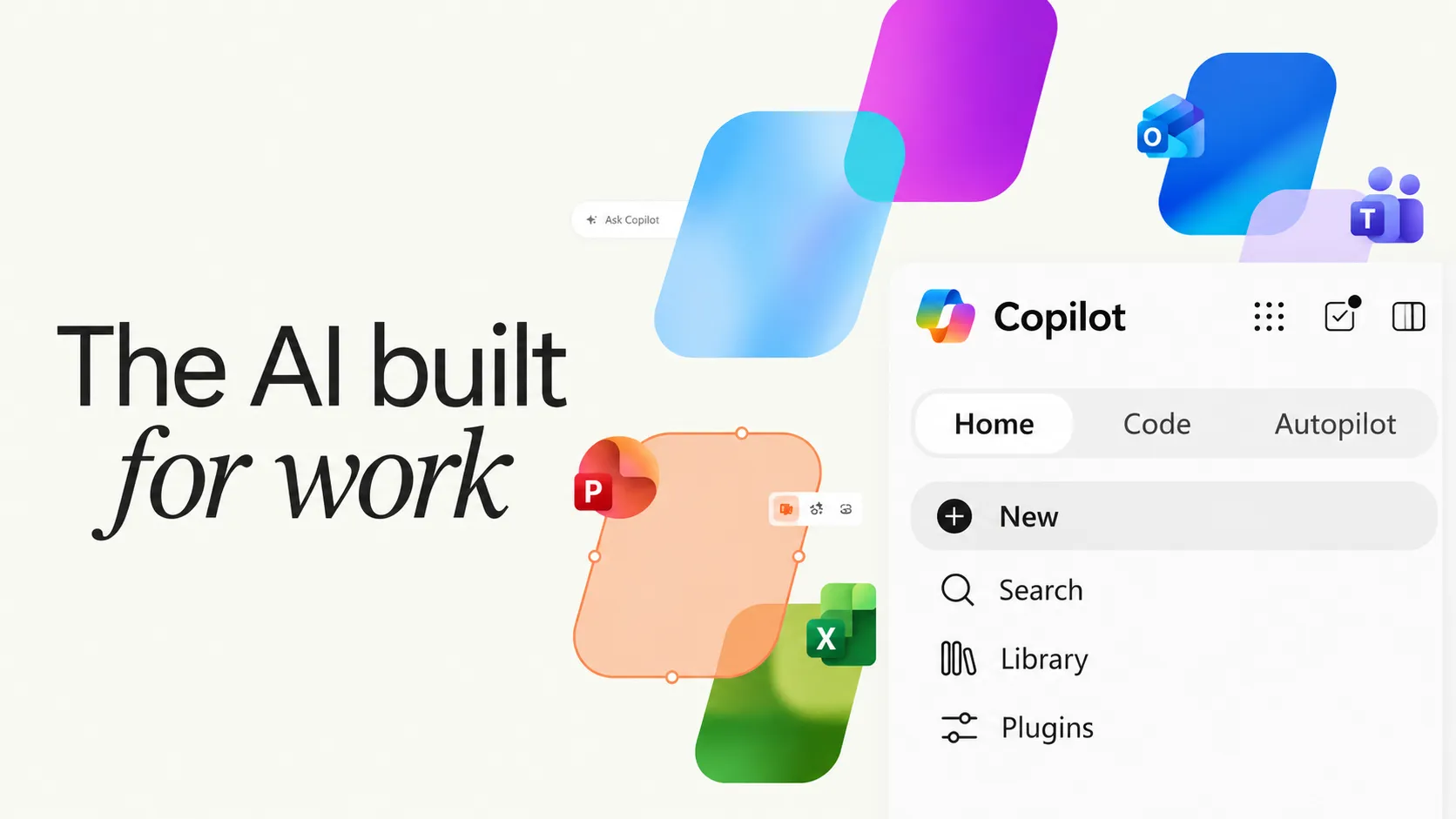
Microsoft has made a decisive choice about where it wants to compete in artificial intelligence. On Friday, September 25, the company unveiled a sweeping overhaul of its Copilot assistant that merges its consumer and workplace versions into a single application aimed squarely at businesses, and introduces new agents designed to do work rather than simply answer questions.
Investors welcomed the move. Microsoft shares rose about 4 per cent to around $516 in afternoon trading, according to 24/7 Wall St. Oppenheimer analyst Brian Schwartz raised his price target to $570 from $515 and maintained an outperform rating, arguing that customers are increasingly standardising on Microsoft as their primary enterprise AI platform.
Stepping back from the consumer chatbot race
The most striking part of the announcement was what Microsoft said it would not do. The company has effectively ceded the consumer AI companion market to rivals such as OpenAI's ChatGPT, Google's Gemini and Meta's Muse.
"We're not going to build a Copilot that's like your personal companion," said Charles Lamanna, a senior Microsoft executive. "That's just not what people want from Microsoft. We help you get stuff done."
It is a notable shift for a company that had invested heavily in consumer Copilot features and marketing. By focusing on the workplace, Microsoft is playing to its strengths: its dominant position in office software through Microsoft 365, its relationships with large enterprises and its security and compliance infrastructure.
Three pillars of the new Copilot
The redesigned Copilot is built around three main capabilities.
Home is a central hub for conversational chat and task delegation. It includes what Microsoft calls "Office in Copilot", which embeds Word, Excel and PowerPoint directly within Copilot so users can work on documents collaboratively without switching applications.
Code is a tool powered by GitHub Copilot technology that lets employees, including those without programming skills, build apps, dashboards, workflows and software using natural language prompts. It extends the idea of "vibe coding", where users describe what they want and AI writes the code, into the enterprise, with the governance controls that large organisations require.
Autopilot is a persistent digital agent that can carry out complex, multi-step tasks in the background within a company's cloud environment. It is a revamp of an agent called Scout that Microsoft introduced in June. Autopilot has its own identity in the corporate directory and operates under permissions controlled by users, an approach designed to address concerns about AI agents acting without oversight.
According to Reuters, Code will begin rolling out in early access at the end of the month, with a preview for Microsoft 365 Premium and Pro subscribers later in 2026. Autopilot will enter private preview at the end of the month.
Tackling the enterprise agent problem
Microsoft's emphasis on identity, permissions and governance reflects the main obstacle to AI agent adoption in large companies.
"I think it's been very hard for many organizations to bring agents into the enterprise because of security, compliance and governance concerns," said Annie Pearl, corporate vice president of Copilot product, in comments reported by Reuters.
Enterprises are enthusiastic about the productivity potential of agents that can complete tasks such as preparing reports, reconciling data or managing workflows. But they worry about agents accessing sensitive information, taking unauthorised actions or making errors that are difficult to trace. By giving agents directory identities and tying them to user-controlled permissions, Microsoft is applying the same security model it uses for human employees.
A new way to pay for AI