StartupsTrending7 MIN READ

No Barista, No Rent, No Training: The Hyderabad Founder Shaking Up India’s Milkshake Business With Technology

Prudhvi Thatini shut down a 10-store bubble tea chain because its unit economics never worked. His startup Minit now serves café-quality shakes and smoothies in about a minute through a patent-pending smart blender that needs no trained staff, across 20 partner locations in South India, and plans to scale to about 200 locations.

By Nisha Omkumar · Author14 November 2026New
No Barista, No Rent, No Training: The Hyderabad Founder Shaking Up India’s Milkshake Business With Technology

It is interval time at a packed multiplex in Hyderabad. The break lasts 10 to 12 minutes, the queue at the counter is long, and a hand-made milkshake typically takes three to five minutes to prepare. For most cinemas, that arithmetic has kept made-to-order beverages off the menu.

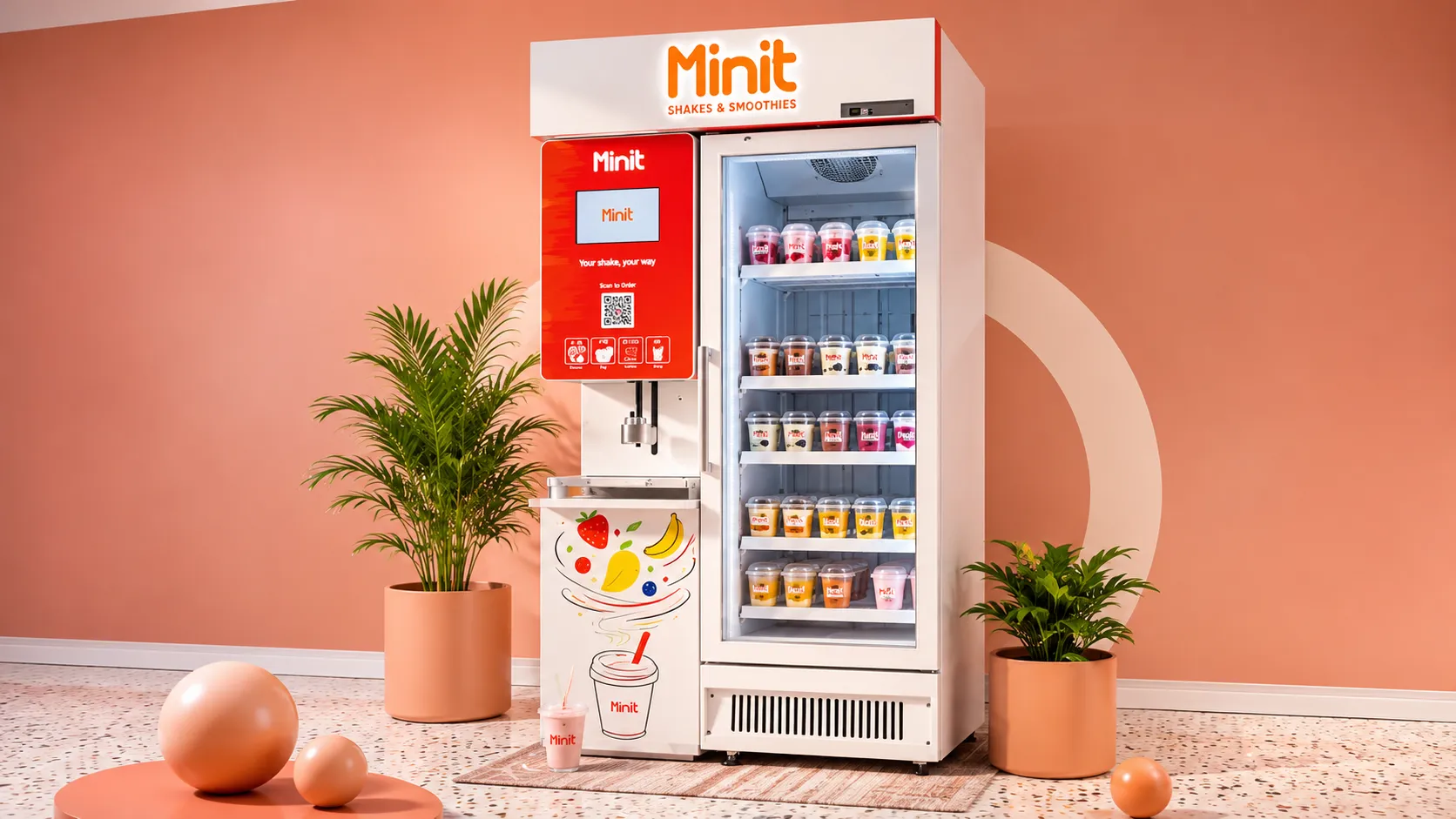
At a Minit counter, the routine is different. A staff member takes a sealed cup from a freezer, places it in a blender and, in about a minute, hands over a shake made with real ice cream and real ingredients. No barista training is required.

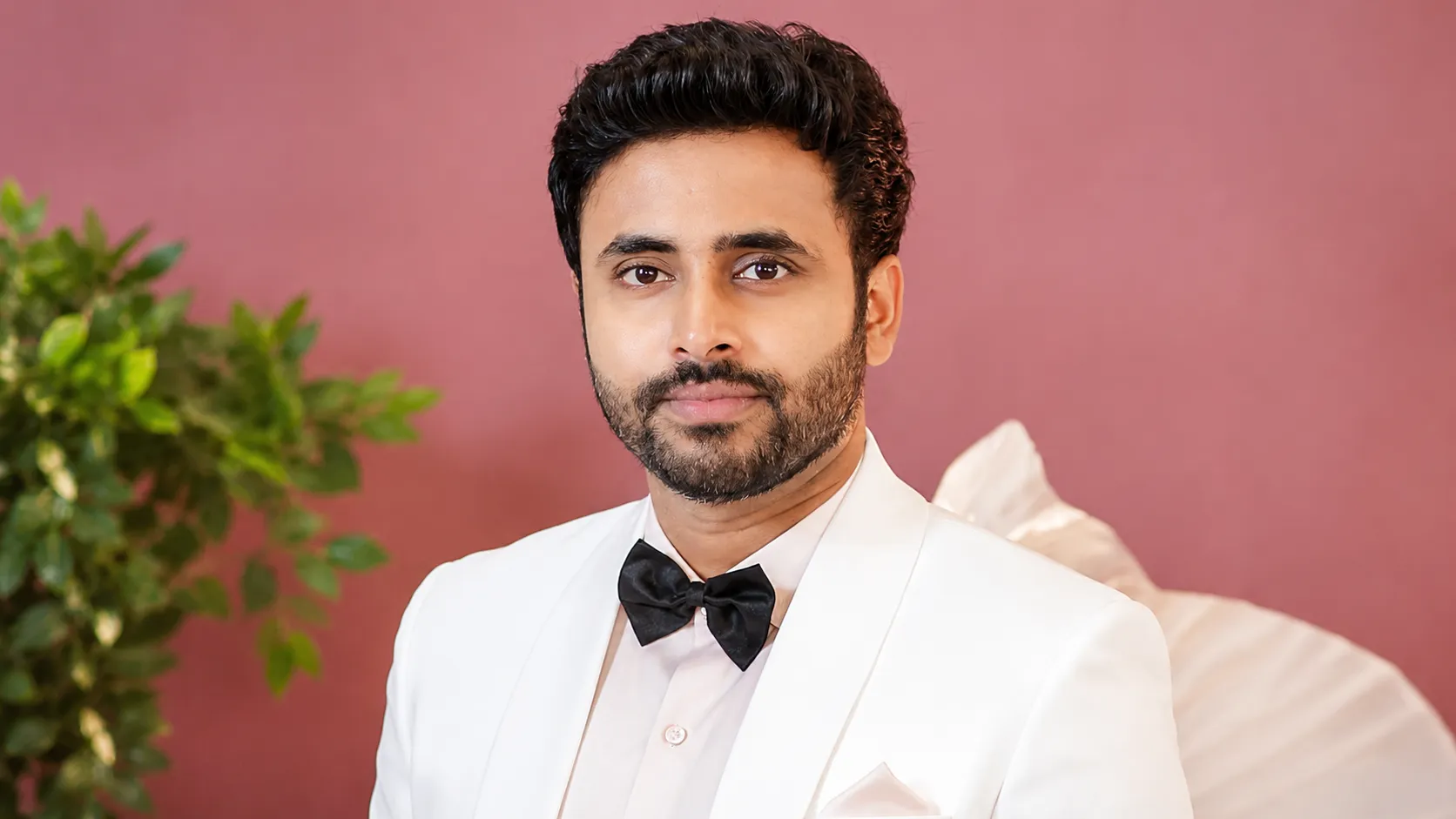
The idea grew out of a business that failed. In an interview with The Impactful Global Icons, founder Prudhvi Thatini explained how shutting down his first venture led him to build a smart beverage brand that now runs at 20 partner locations across South India, with a target of about 200 locations this year.

A chain where the numbers never worked

Thatini studied at George Mason University in the United States between 2015 and 2018, when bubble tea chains were booming. He planned to return to India and build a bubble tea brand of his own.

He did. The chain grew to about 10 stores across Chennai, Hyderabad, Vijayawada and Visakhapatnam. But the economics of a conventional beverage store in India proved punishing. Owners pay rent, salaries, ingredient and operating costs, and much of their revenue arrives through food delivery platforms, which charge commission on every order.

After studying the numbers from 10 locations in four cities, Thatini concluded that the business could neither become profitable nor scale on those unit economics. He closed every store.

"If you keep paying rent, if you keep paying employees, and you still want to operate a beverage brand in a traditional format with changing market conditions, it doesn't make any sense, and a lot of beverage brands go through similar stories," he said.

Building the machine nobody would sell

His next idea drew on what he had seen in the US: beverage brands that sell through machines, with little dependence on manpower or training. Minit's founding philosophy became using technology to make the business efficient.

A traditional counter for shakes, smoothies, juices or cold coffee needs at least 80 to 100 square feet for freezers, blenders, cabinets, a billing machine and a sink, as well as trained staff and rent in a high-footfall location. Thatini's aim was to strip out enough of those costs for each location to be profitable.

The team first approached companies running similar products abroad but could not secure a workable partnership. Some machines would have cost about $5,000 to $8,000 to operate in India, a price Thatini considered unworkable for the market. So Minit decided to build its own machine and launch its own brand.

Hardware is hard

Building the smart blender changed his view of hardware. Experts told him research and development would take three to six months. Six months in, he realised that a machine capable of working reliably across thousands of locations was a far longer undertaking. A first prototype took about five months, but it was nowhere near ready for launch.

Minit opened its first location three years after the company was incorporated, with the fourth version of its machine, in December 2023. The company now uses a sixth-generation smart blender, refined using data from earlier machines that blended about 2 lakh beverages over 18 to 24 months.

Unusually for a startup founder, Thatini chose not to scale quickly. Minit ran eight locations for about 20 months after launch while it tested and refined the product. "I really love to scale, but at our heart we believe in serving great product with greater convenience and reliability," he said.

Minit has built its own patent-pending smart blender, its own user interface and machine software, and a cloud dashboard that automates much of the business. Every cup is scanned, and each blender reports available stock by flavour in real time.
119c52ed-7628-4b93-918d-46c747a8e77f.png

The problem with made-to-order beverages

Despite large demand, Thatini argues, India has no nationwide shake or smoothie brand, because the economics do not favour the people trying to build one. Delivery commissions, seasonal demand and high fixed costs make it hard for a dedicated outlet to make money.

At most food outlets, made-to-order beverages are a secondary category. Cafés focus on coffee. Some owners insist on the best ice cream and ingredients, but many prioritise margins and serve powdered milkshakes that cost about ₹30 to ₹40 to make. They must also manage fruit that spoils, staff who need training and may leave, and product wastage.

Minit's pitch to operators is to remove that trade-off. Each cup arrives pre-packed with its ingredients, from ice cream to fruit, and is stored in a freezer. Staff simply blend and serve. "It's a quality product, but you can serve it with extreme convenience, and there is margin for every cup sold," Thatini said. He compares the experience to buying a cola at the cinema: the person behind the counter simply fills it and hands it over.


“We are just trying to use hard tech and soft tech to solve a lot of the problems and eliminate a lot of the cost, so that made-to-order beverage brands can have a real chance at scaling up in India.”
— Prudhvi Thatini, Founder, Minit

The menu is deliberately lean, with five or six shakes at a time and one rotating flavour. It includes chocolate, with a version topped with KitKat; vanilla with Oreo; a couple of fruit flavours; and caramel, sometimes paired with Lotus Biscoff and sometimes with nuts. The KitKat shake is the best-seller.

Minit sells cups to partners at a fixed price but does not cap the retail price, so shakes typically sell for ₹150 to ₹200, in line with cafés.

First sip at a Hyderabad multiplex

Minit's first partner was Prasads Multiplex in Hyderabad. The team followed up with the cinema for about three months before it agreed to host the machine, and the counter went live in December 2023.

After three years of development, the team still did not know how customers would react. The machine was switched on between 9:30 and 10 a.m., and at about 10 a.m. an early moviegoer ordered a shake. His verdict was that it was good to have that kind of product at the movies.

For cinemas, speed is the selling point. A blend of well under a minute makes shakes practical during crowded intervals, something Thatini says had not been done before because of the manual work involved.

The economics for partners

All 20 Minit locations are run by franchise partners, including cafés, restaurants, a couple of cinemas and convenience stores inside colleges. Partners pay a franchise fee, and Minit deploys the full setup.

Average sales stand at about ₹1.4 lakh a month per location, according to Thatini. The best-performing site earns about ₹4 lakh a month and the weakest about ₹80,000. Whatever the revenue, he said, the operator keeps a margin of at least 50%.

Installation is plug-and-play. Minit's team sets up the blender and freezer in about 20 minutes, the blender calibrates itself in 30 to 40 seconds, and a partner can serve its first shake within half an hour. Minit offers a warranty of about 1 lakh blends per machine, and Thatini expects partners will eventually be able to install machines themselves.

The part nobody sees

Sceptics regularly question whether the model can work at scale, Thatini said, and about 90% of people assume it is easy: build a machine, supply the cups, make money.

The hardest part is frozen logistics. Many locations cannot store enough cups; a site selling about 100 cups may have freezer space for only about 200. Keeping supply moving requires a very agile operation, and the team is working to streamline it.

Minit works only with businesses that already have footfall, such as cafés and restaurants, and does not offer stand-alone franchises for now. Few customers seek out a shake brand as a destination, Thatini said. He points to burger and pizza restaurants, where Coca-Cola and Pepsi dominate beverage sales because they need only a fridge. Shakes pair well with that food, but serving them traditionally means freezers, blenders, ice cream and fruit suppliers, and managing wastage, at businesses that put most of their attention on food.

Stand-alone kiosks may come later. With only five or six products, he does not believe an independent outlet can yet generate enough profit to cover rent and staff without exposing owners to early losses.

Minit operates in Hyderabad, Vijayawada, Tiruppur, Erode, Pollachi and Thiruvananthapuram, with Kanyakumari launching in November and Chennai and Bengaluru to follow. The company plans to focus on about 30 to 35 cities in South India.

The Starbucks question

Asked whether Minit could do for shakes what Starbucks did for coffee, Thatini described a different ambition: making a made-to-order beverage brand behave like a retail product that can reach lakhs of touchpoints across India.

By his estimate, India's biggest coffee chains operate about 400 to 800 locations, and he knows of no shake or smoothie brand with more than 100. He sees room for 10,000 to 12,000 Minit machines nationwide.

Technology is central to that plan. Because every cup carries a unique code and each blender counts cups by flavour, Minit has real-time stock data for every location, allowing automated invoicing and pre-planned deliveries instead of calls to franchisees to check inventory.

"We are just trying to use hard tech and soft tech to solve a lot of the problems and eliminate a lot of the cost, so that made-to-order beverage brands can have a real chance at scaling up in India," Thatini said.

What comes next

Minit's challenge now is to turn a reliable machine into a reliable network. Growing from 20 locations to about 200 will test its frozen supply chain, its partner selection and its ability to keep quality consistent across very different sites, from college canteens to multiplexes. If it succeeds, the founder who once closed every store he owned may have found a way to make India's most neglected beverage category pay.

TagsMinitPrudhvi Thatinifounder interviewHyderabad startupsmart blendermade-to-order beveragesmilkshakessmoothiesfood techhardware startupfranchiseunit economicscafésmultiplexesPrasads MultiplexSouth Indiacloud kitchen economicsretail technologyIndian startupsentrepreneurs

Reader reviews

Sign in to rate and review this article.
Loading reviews…
