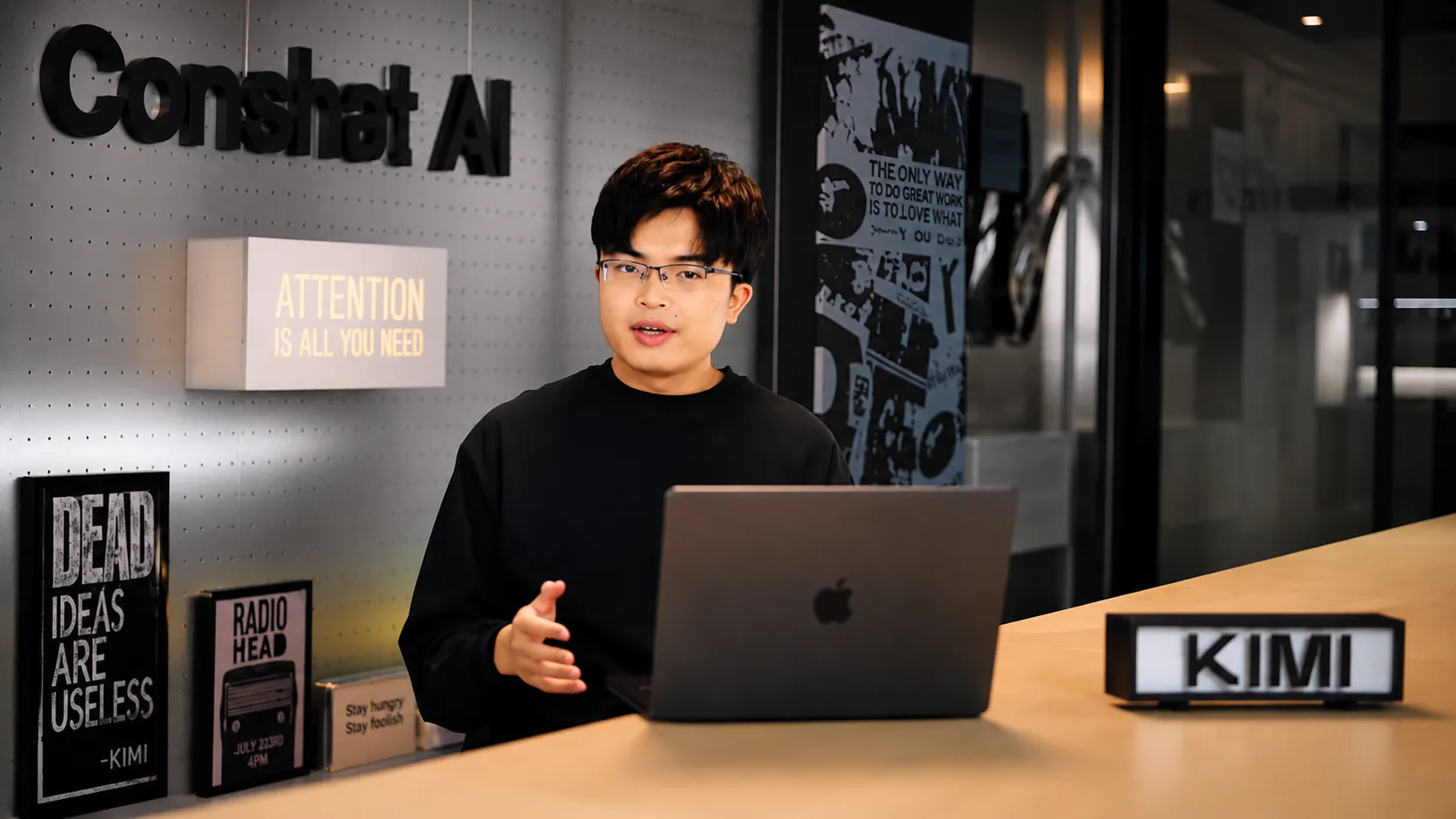
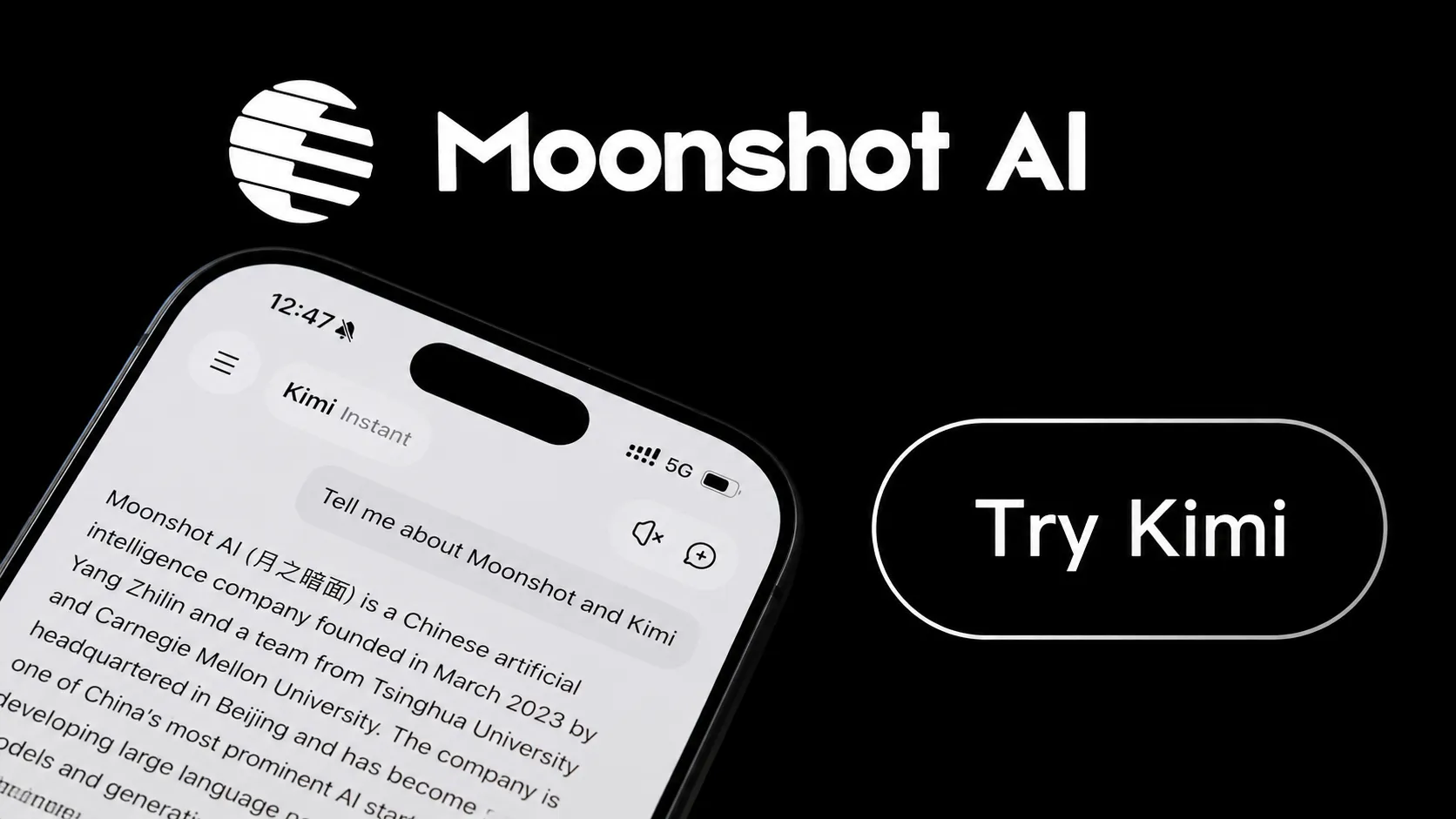
China's Moonshot AI is courting America's biggest cloud computing companies for infrastructure partnerships, according to reporting published August 26, 2026, part of a broader effort by leading Chinese AI developers to secure the computational capacity needed to train and deploy increasingly large and capable AI models amid persistent constraints on advanced chip access within China's domestic semiconductor supply chain.
The move reflects a pragmatic recalibration among some Chinese AI companies, which have historically relied primarily on domestic cloud infrastructure and increasingly on Chinese-designed AI chips as US export controls have restricted access to the most advanced American semiconductor technology. Moonshot AI's reported outreach to US cloud providers suggests the company is exploring alternative pathways to secure the compute capacity required to remain competitive with both domestic Chinese rivals such as DeepSeek and leading Western AI labs, even as geopolitical tensions around technology transfer between the two countries remain elevated.
Any partnership between a Chinese AI developer and major US cloud infrastructure providers would likely face significant regulatory scrutiny, given the sensitive nature of AI compute access amid ongoing US concerns about the potential dual-use military and strategic applications of advanced AI capabilities. The extent to which such partnerships could be structured to satisfy US regulatory requirements — potentially through data localisation commitments, restricted access protocols, or other compliance mechanisms — remains uncertain, and any deal would likely require careful navigation of an increasingly complex web of export control and national security regulations governing US-China technology cooperation.
The development arrives amid a broader wave of activity among Chinese AI companies to secure global compute access and capital, including DeepSeek's own reported progress toward a funding round valuing the company at approximately $74 billion ahead of a potential Shanghai listing. Together, these developments suggest that leading Chinese AI developers are pursuing parallel strategies of raising substantial capital domestically while simultaneously seeking to diversify their compute infrastructure access internationally, reflecting the dual pressures of capital intensity and hardware access that define competition at the frontier of AI model development globally.
For US cloud providers, any potential partnership with Moonshot AI would present a complex calculus, weighing the commercial opportunity of serving one of China's most closely watched AI companies against the geopolitical and regulatory risks associated with providing compute infrastructure to a company operating within China's AI ecosystem, an ecosystem that has increasingly been viewed through a strategic competition lens by US policymakers.
The broader context for Moonshot AI's reported outreach includes a global AI industry increasingly defined by intense competition not just for model capability but for the underlying infrastructure — chips, cloud compute, memory and energy — required to train and run AI systems at scale, a dynamic further illustrated this week by Nvidia's warnings of AI chip price increases exceeding 15 percent and Samsung's unveiling of new memory technology aimed at improving AI inference efficiency.
Whether Moonshot AI's overtures to US cloud providers ultimately translate into concrete partnerships remains to be seen, but the reported effort underscores the increasingly borderless, if geopolitically fraught, nature of the global race for AI compute capacity, one in which even companies operating within more constrained domestic technology ecosystems are actively seeking international infrastructure solutions to remain competitive at the frontier of AI development.