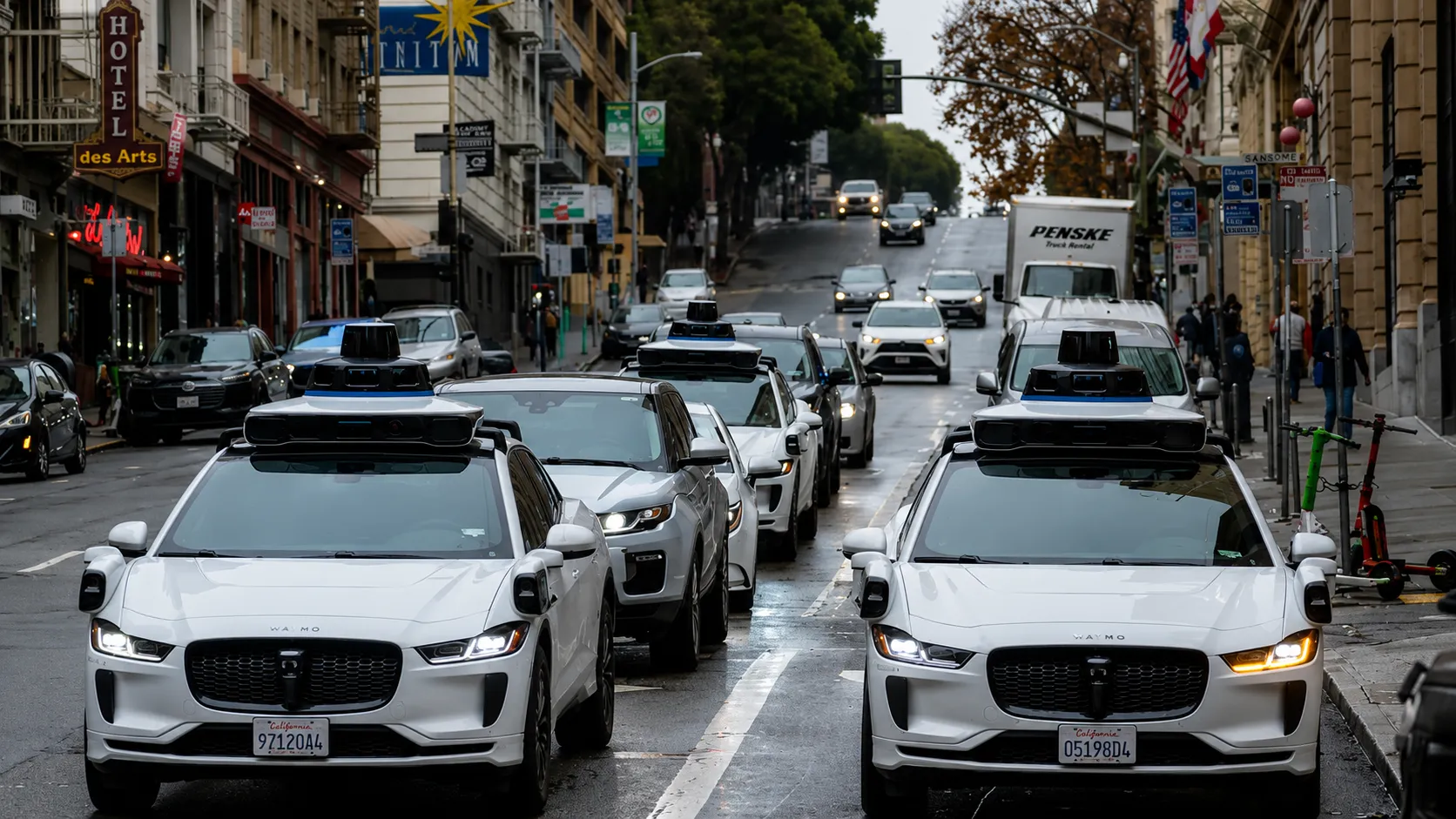
New York Governor Kathy Hochul has withdrawn a legislative proposal that would have permitted driverless robotaxis to operate outside New York City, following a concerted effort from taxi drivers, labor unions and state lawmakers who raised concerns over the technology's impact on employment. Commercial driverless services remain illegal in the state as a result of the withdrawal, reported on August 25, 2026.
The withdrawal marks a notable setback for autonomous vehicle companies that had viewed New York's large, dense metropolitan markets outside the five boroughs as an attractive expansion target, given the state's substantial population and existing ride-hailing demand in cities and suburban areas beyond New York City itself.
The decision highlights a broader national tension between the technical readiness of autonomous vehicle companies such as Waymo, Zoox and Tesla and the rigorous scrutiny these companies continue to face from regulators and established transportation stakeholders. While autonomous vehicle technology has advanced significantly and expanded commercially in several US cities over the past few years, labor concerns tied to potential job displacement among professional drivers have remained a persistent political obstacle to broader regulatory approval.
The professional driving workforce affected by autonomous vehicle expansion spans not only traditional taxi drivers but also the much larger population of app-based ride-hailing and delivery drivers, a workforce that has grown substantially over the past decade and represents a significant, politically organised constituency in many major US metropolitan areas where autonomous vehicle legislation has been debated.
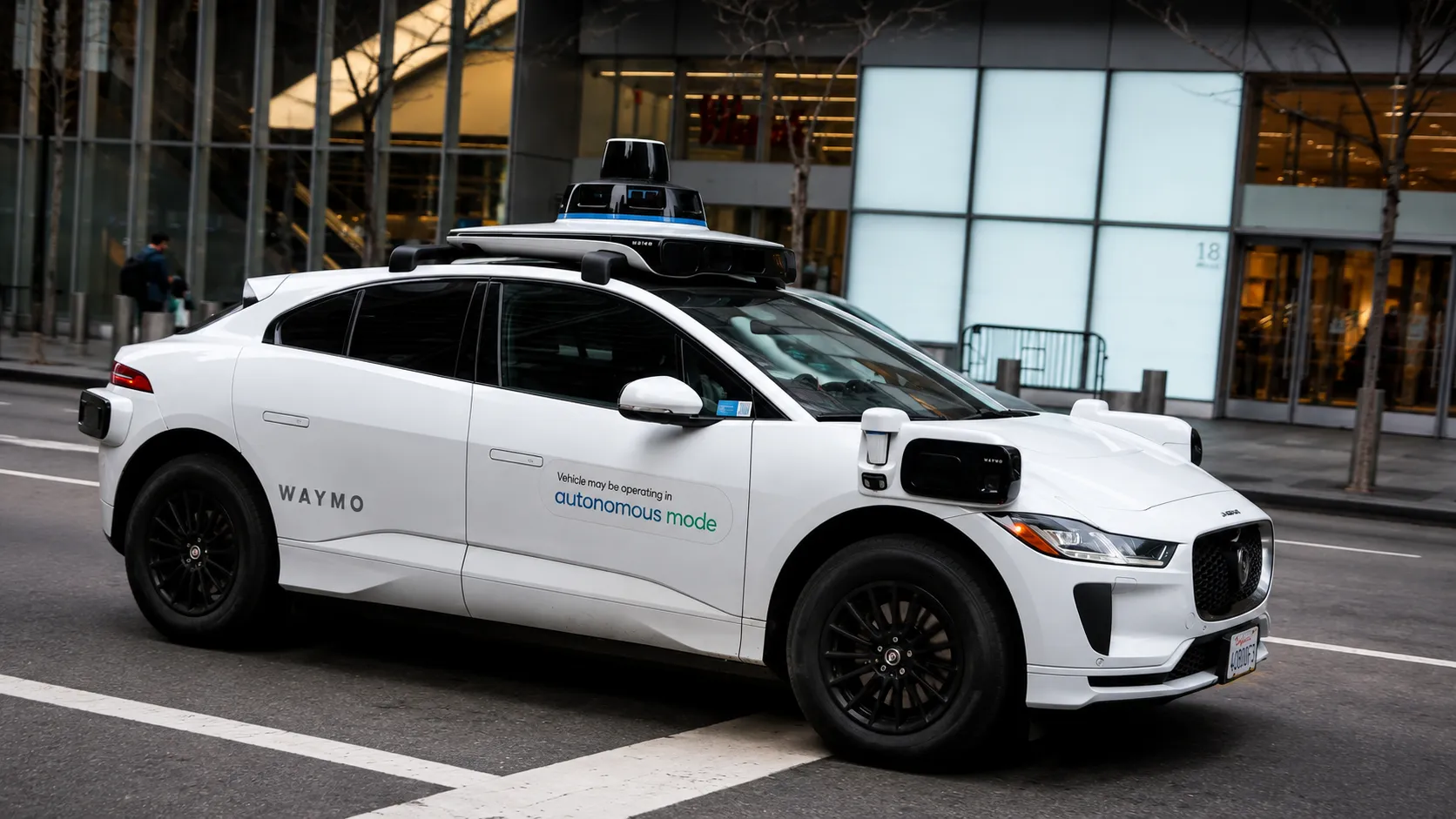
New York's position as a market with an entrenched, politically organised taxi and for-hire vehicle workforce made it a particularly challenging environment for autonomous vehicle legislation to advance, even as neighbouring and other US states have taken more permissive approaches to robotaxi deployment. The successful pushback from labor unions and taxi drivers in this instance illustrates the continued political leverage such groups retain in shaping transportation policy, even as autonomous vehicle technology companies expand their footprint elsewhere in the country.
New York's taxi and for-hire vehicle industry has a particularly long and politically significant history within the state, dating back decades to the establishment of the medallion licensing system, which has historically given the sector's workforce a degree of political organisation and regulatory influence that has proven more durable than in many other US markets where autonomous vehicle deployment has advanced more rapidly.
The standoff serves as a case study in the tension between autonomous vehicle innovation and traditional labor protections, a dynamic likely to recur in other major US markets as autonomous vehicle companies continue seeking regulatory approval to expand commercial operations. For now, New York's decision to withdraw the legislation keeps the state on a more cautious regulatory path than several other major US markets, even as the underlying technology continues to mature.
Autonomous vehicle companies are likely to continue pursuing a state-by-state regulatory strategy in response to setbacks of this kind, prioritising expansion into jurisdictions with more permissive regulatory environments and less organised labor opposition, while continuing to lobby for eventual policy change in more resistant markets like New York as the technology's track record and public acceptance continue to evolve.