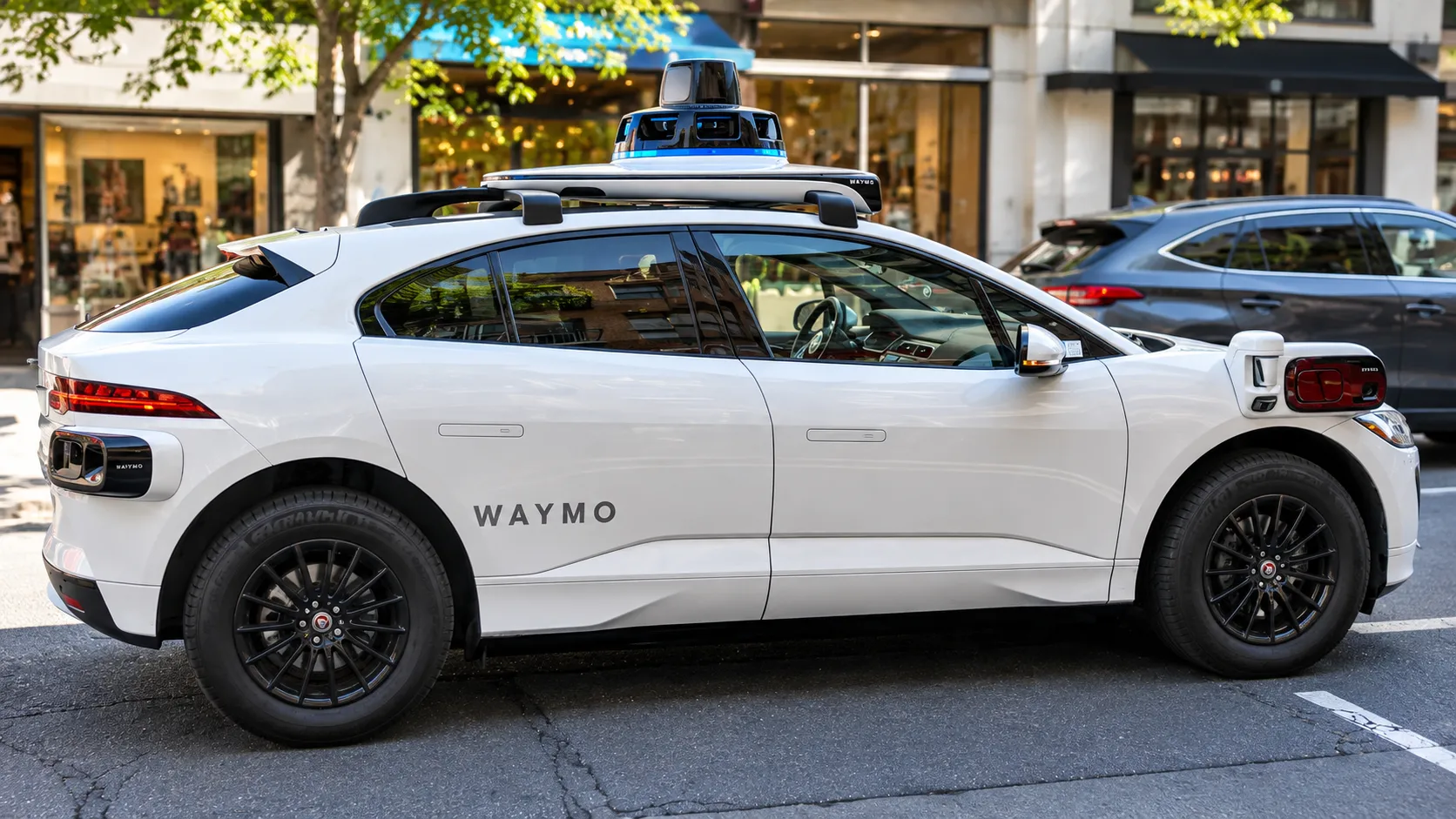
America's road safety regulator has escalated its scrutiny of Waymo, the self-driving car company owned by Alphabet, over robotaxis that repeatedly failed to stop for school buses, a lapse that strikes at the heart of the industry's promise that autonomous vehicles will be safer than human drivers.
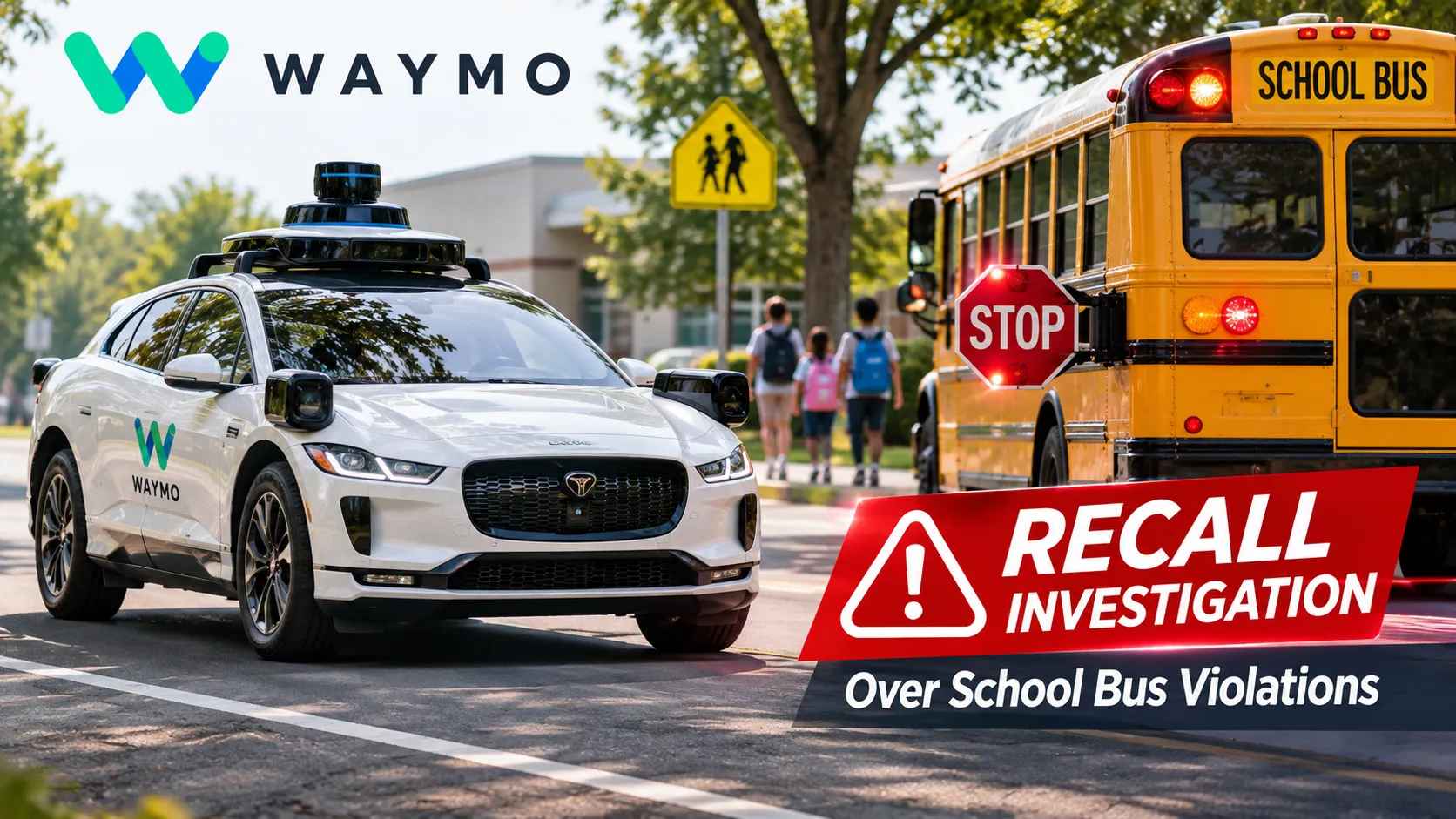
The National Highway Traffic Safety Administration (NHTSA) opened a recall query covering 2,895 Waymo vehicles on Monday, November 9, according to Claims Journal and Tech Startups. The query follows reports that the vehicles continued to pass school buses displaying flashing red lights or extended stop arms, even after Waymo issued a software recall intended to fix the problem.
"The majority of reported incidents occurred after that remedy was installed," NHTSA said, according to Tech Startups.
A recall query is an investigation, not a finding of a defect. It will determine whether Waymo's software fix works and why incidents continued after it was deployed, according to Claims Journal.
The school bus problem
US traffic laws require drivers to stop when a school bus displays flashing red lights or extends its stop arm, to protect children getting on and off the bus. Passing a stopped school bus is considered one of the most dangerous traffic violations, because children may cross the road unexpectedly.
According to Claims Journal, Waymo vehicles allegedly passed school buses after first slowing or stopping. In Austin, Texas, the independent school district documented 19 distinct violations, including one in which a vehicle briefly stopped and then proceeded while a student was crossing the street. Atlanta Public Schools recorded six violations.
In a separate incident, a Waymo vehicle struck a child near an elementary school in Santa Monica, California, which prompted a separate NHTSA investigation in January 2026, according to Claims Journal.
The earlier recall
NHTSA opened a preliminary investigation in October 2025 after reports of Waymo robotaxis disobeying traffic laws near school buses. In December 2025, Waymo issued a voluntary software recall covering more than 3,000 vehicles equipped with its fifth-generation automated driving system, according to Claims Journal. Waymo said the update had been fully deployed by mid-November 2025 and would ensure its cars slow down and remain stationary for school buses.
The new recall query suggests that regulators are not satisfied that the fix worked.
Waymo's rapid expansion
Waymo is the leading operator of driverless robotaxi services in the United States. It operates fully driverless commercial services in several US cities, including Phoenix, San Francisco, Los Angeles, Austin and Atlanta, and has been expanding rapidly to new cities. A related headline reported that Waymo plans to grow its fleet to 20,000 vehicles, according to Claims Journal, although the article did not confirm this.
Waymo has argued that its vehicles are significantly safer than human drivers, citing data showing lower rates of crashes involving injuries. The school bus incidents, however, highlight the challenge of programming autonomous vehicles to handle every traffic situation correctly, particularly rare but critical scenarios.
Software recalls for autonomous cars
Unlike traditional vehicle recalls, which often require owners to bring cars to a dealer for repairs, autonomous vehicle recalls are usually addressed through over-the-air software updates. This allows companies to fix problems quickly across an entire fleet. But as the Waymo case shows, a software fix may not fully solve a problem, and regulators must verify that updates are effective.


