The National Stock Exchange of India's initial public offering opened for subscription on September 17, 2026, marking the culmination of a listing process that Dalal Street has anticipated for years. The Rs 22,561.57 crore offering, priced at a band of Rs 1,700 to Rs 1,785 per share, is structured entirely as an offer for sale, meaning none of the proceeds will flow to the exchange itself, with existing shareholders instead monetising their holdings as the bourse finally makes its long-delayed transition to the public markets. The three-day subscription window runs through September 21, with allotment expected September 22 and listing tentatively scheduled for September 24 on the BSE.
The offering comprises up to 126,436,650 equity shares, representing roughly 5.1 percent of NSE's total equity capital, down from an earlier planned 6 percent as the exchange trimmed its offer size ahead of launch, a move market participants read as reflecting some caution around valuation given the scale of investor appetite the issue needed to absorb. Selling shareholders in the offer include the State Bank of India, the Canada Pension Plan Investment Board, Aranda Investments of Mauritius, and MS Strategic of Mauritius, among others — a roster reflecting the diverse mix of domestic institutional and international investors who have held stakes in India's dominant stock exchange through its years as an unlisted entity.
For years, NSE shares traded actively on India's unlisted or grey market, where investors seeking exposure to the exchange's dominant position in Indian equity and derivatives trading could only acquire stakes through informal, less liquid channels given the absence of a public listing. Industry estimates have suggested NSE shares historically accounted for as much as half of all unlisted share trading volume in India, meaning the exchange's formal listing removes what was, for years, the single most actively traded name in that shadow market — a shift that unlisted-share platforms and brokers are now scrambling to address by identifying new liquid assets to fill the resulting vacuum in investor demand for pre-IPO exposure.
Market strategists have described the IPO as the centre of gravity for India's primary market in recent weeks, with the scale of anticipated investor demand drawing attention away from secondary-market trading even as broader indices have wobbled amid a combination of global and domestic pressures. Geopolitical tensions tied to the prolonged conflict between the United States and Iran have pushed crude oil prices sharply higher in the run-up to the listing, with Brent crude surging past $108 a barrel amid fears of supply disruption through the Strait of Hormuz, a dynamic that has weighed on broader market sentiment even as the NSE offering itself has continued to draw robust investor interest.
The IPO's structure — with roughly half the issue reserved for qualified institutional buyers, 15 percent for non-institutional investors and 35 percent for retail investors — reflects the standard allocation framework for major Indian mainboard listings, though the sheer size of this offering, among the largest in Indian corporate history, means even modest oversubscription across investor categories will require absorbing tens of thousands of crores in aggregate demand. Employees have also been offered a dedicated reservation of up to Rs 70 crore, with an employee discount of Rs 170 per share built into the pricing structure, a customary feature designed to reward NSE's workforce as the exchange completes its long journey to public-market status.

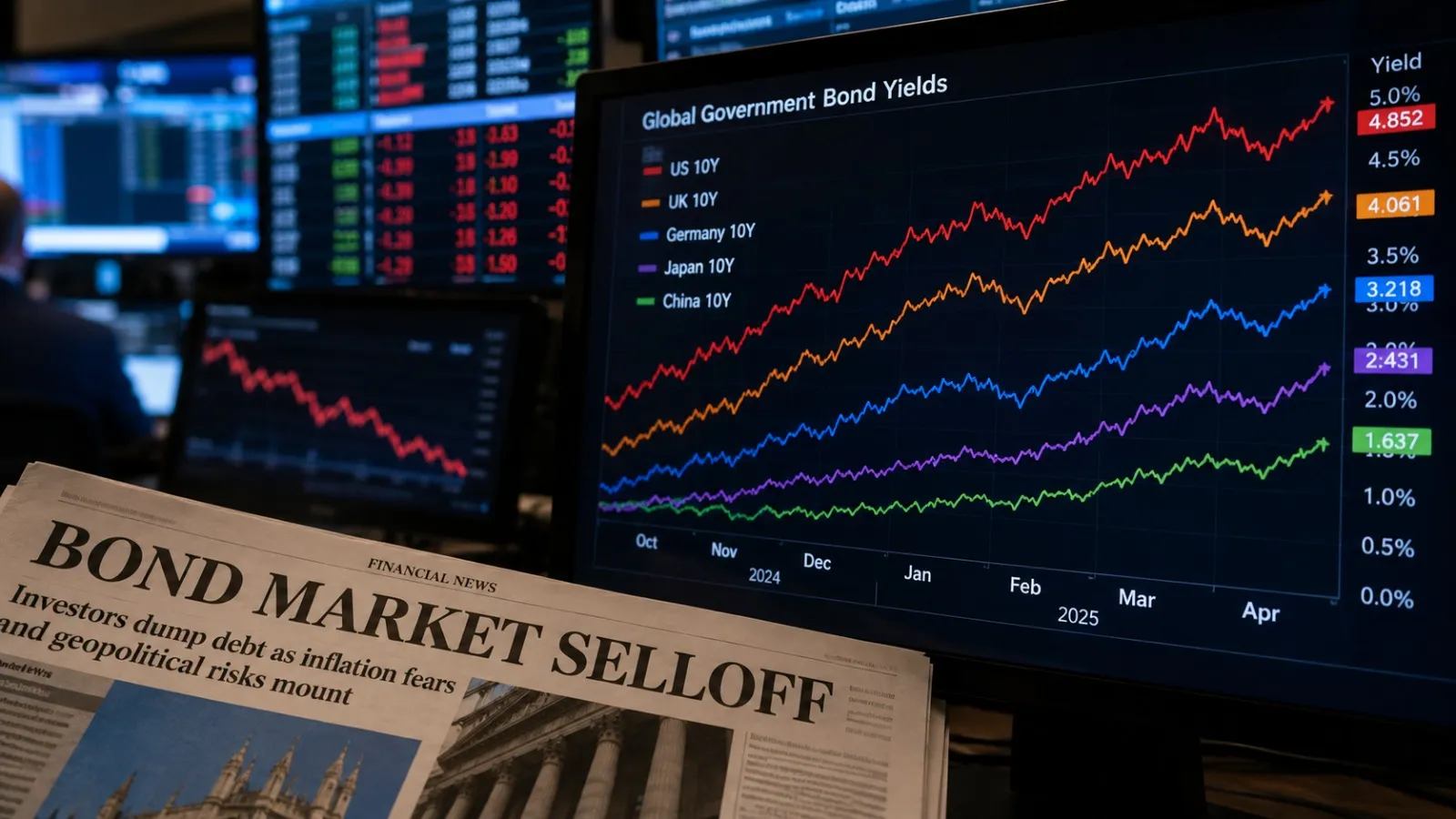
As trading in NSE shares moves from the informal unlisted market to the formal exchange-traded environment it will itself operate once listed, the IPO carries a symbolic dimension beyond its financial scale: India's dominant stock exchange, the venue through which the vast majority of the country's equity and derivatives trading volume flows, will for the first time have its own shares priced and traded through the same transparent, regulated mechanism it provides for thousands of other listed Indian companies. Market participants will be watching the listing-day performance closely as an early signal of how investors are pricing India's broader financial-market infrastructure at a moment of heightened global volatility and elevated bond yields weighing on risk assets more broadly.
The listing also arrives at a pivotal moment for India's capital-markets infrastructure more broadly, as the country's exchanges, depositories and clearing corporations have collectively processed record volumes of both cash-equity and derivatives trading over the past several years, cementing India's position among the largest and fastest-growing equity derivatives markets in the world by contract volume. NSE's own derivatives franchise, encompassing index and stock options and futures contracts, has been central to that growth story, and the exchange's IPO prospectus has drawn considerable scrutiny from analysts seeking to understand how sustainable that derivatives-driven revenue growth is likely to prove as retail participation patterns and regulatory attention toward derivatives trading continue to evolve.
Global institutional investors evaluating the offering have also drawn comparisons to exchange listings in other major markets, noting that stock-exchange operators typically command premium valuations reflecting their structurally advantaged position as toll-collectors on trading activity across an entire national market, largely insulated from the cyclical revenue pressures that affect most other financial-services business models. Whether NSE's pricing, at the upper end of a valuation range that some analysts had described as demanding even before the size reduction, proves justified will likely become clearer only once the stock begins trading and the market has an opportunity to independently price the exchange's shares outside the structured IPO process, free from the allocation constraints and anchor-investor dynamics that shape pricing during the offer period itself.
Retail investor interest in the offering has also been notable, with brokerages reporting unusually high volumes of account openings and demat activations in the days preceding the subscription window, a pattern consistent with the broader retail enthusiasm that has characterised several of India's largest recent IPOs, even as market veterans have cautioned that strong grey-market premiums ahead of listing do not always translate into sustained post-listing performance once the initial allotment-driven demand has been absorbed by the market.
For now, the offering stands as a landmark moment for Indian capital markets regardless of how the stock performs once trading begins.