After nearly a decade of false starts, regulatory hurdles and investor anticipation, the National Stock Exchange of India finally became a listed company on Thursday, September 24. The debut, however, was more measured than many had hoped.
Shares of NSE opened at ₹1,800 on BSE, a premium of just 0.84% over the issue price of ₹1,785. The stock climbed more than 5% during the session before paring gains to close at about ₹1,817, up 1.79% on the day. Grey-market indications before the listing had pointed to an opening price of around ₹1,825 to ₹1,865.
The modest pop came on one of the most difficult trading days of the month. The BSE Sensex fell more than 1,200 points on Thursday as rising US bond yields and higher oil prices triggered a broad sell-off across Indian equities. Against that backdrop, NSE's ability to hold above its issue price was, for many market participants, a respectable outcome.
A listing on the rival's platform
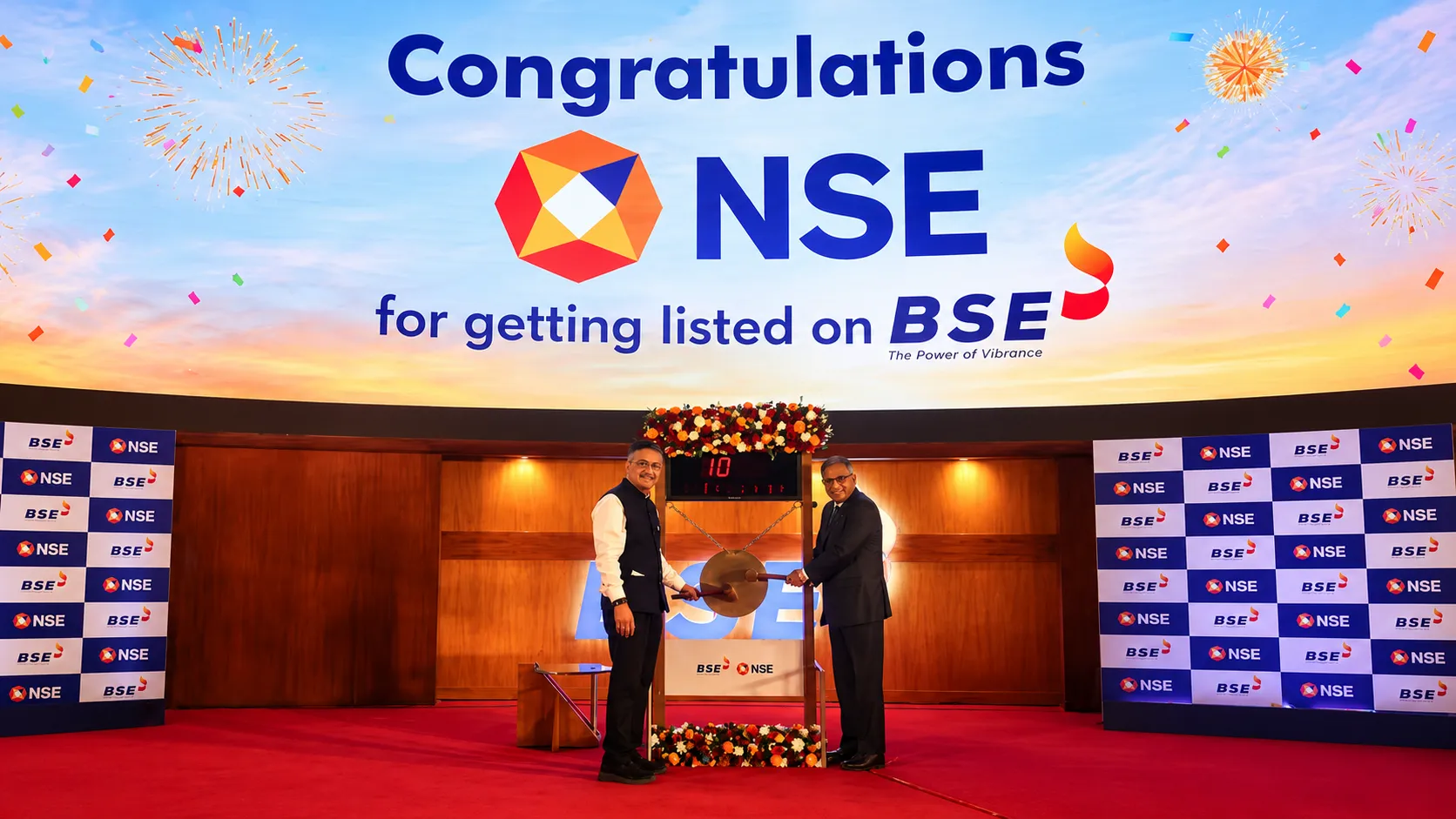
There was an unusual symbolism to the day. Because an exchange cannot list its own shares on its own platform, NSE made its debut on BSE, its oldest and closest competitor. The listing ceremony in Mumbai brought together the leadership of both institutions, including NSE Managing Director and CEO Ashishkumar Chauhan, NSE Chairman Srinivas Injeti and BSE CEO Sundararaman Ramamurthy.
Speaking at the event, Chauhan described his role at NSE as the biggest honour of his career and thanked investors, the Securities and Exchange Board of India and the government, according to Business Today.
Strong demand, driven by institutions
The initial public offering was India's second-largest ever, behind only Hyundai Motor India's ₹27,870-crore issue in 2024. NSE raised about ₹22,560 crore through the IPO, which was entirely an offer for sale by existing shareholders. That means the exchange itself received no fresh capital; the proceeds went to the selling investors.
The price band was set at ₹1,700 to ₹1,785 per share, valuing NSE at up to about ₹4.42 lakh crore at the upper end. Ahead of the offer, the exchange cut the size of the offer for sale to 12.64 crore shares from the 14.9 crore shares proposed in its draft prospectus, a reduction of roughly 15%.
Demand was strong but uneven. The issue was subscribed 5.71 times overall and drew more than 38 lakh applications between September 17 and September 21. Qualified institutional buyers bid for 12.68 times the shares reserved for them, while the retail portion was subscribed 1.39 times.
Before the public offer opened, NSE raised ₹6,746 crore from anchor investors. The anchor book included Life Insurance Corporation of India, Goldman Sachs and Fidelity, along with sovereign investors such as GIC Singapore, the Abu Dhabi Investment Authority and Norway's Norges Bank, and asset managers including Eastspring and HSBC Global Asset Management.
Why the debut was muted
Several factors held back the listing-day gain.
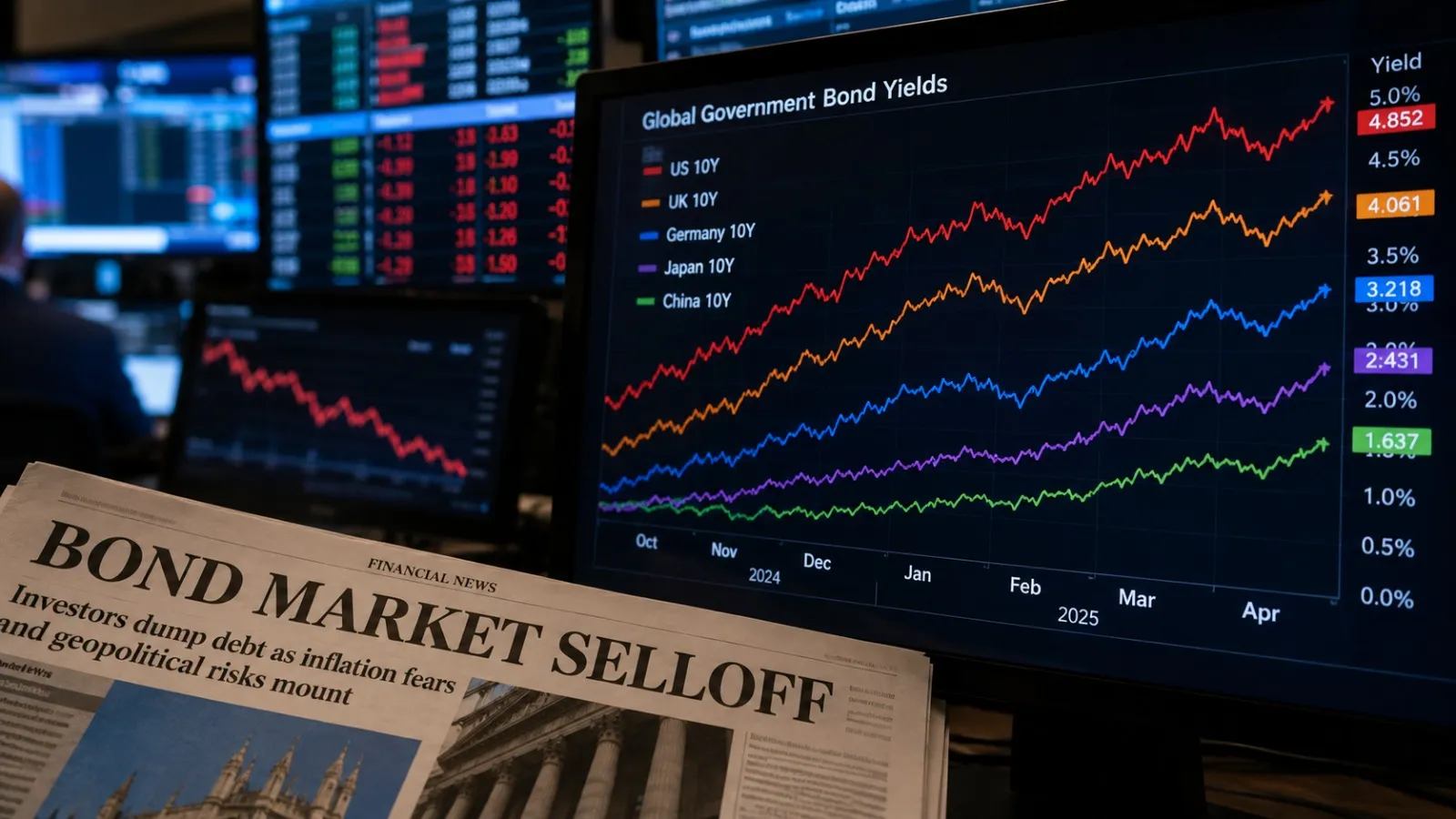
The first was the market mood. Global bond yields were climbing, with the US 10-year Treasury yield above 5% for the first time in nearly two decades. Higher yields typically weigh on equity valuations, and Indian markets were hit hard on the day.
The second was pricing. At the upper end of the band, the IPO already valued NSE at a substantial multiple of its earnings, leaving less room for a large listing pop. Institutional investors, who dominated demand, were buying a long-term stake in a dominant market infrastructure business rather than chasing short-term gains.