TechArtificial Intelligence5 MIN READ

Nvidia Loses Nearly $200 Billion in Value as Its Board Opens an Independent Probe Into Reports CEO Jensen Huang Was Targeted by Foreign Intelligence

Nvidia shares fell 4.3% on November 9, wiping out about $192 billion of market value, after the chipmaker's board said a committee of independent directors would investigate reports that chief executive Jensen Huang had been the target of a foreign intelligence effort. Huang admitted to an extramarital relationship, the board said it has no reason to believe secrets were compromised, and China rejected the reports as "smears."

By Aravind Kumar · Author12 November 2026New
Nvidia Loses Nearly $200 Billion in Value as Its Board Opens an Independent Probe Into Reports CEO Jensen Huang Was Targeted by Foreign Intelligence

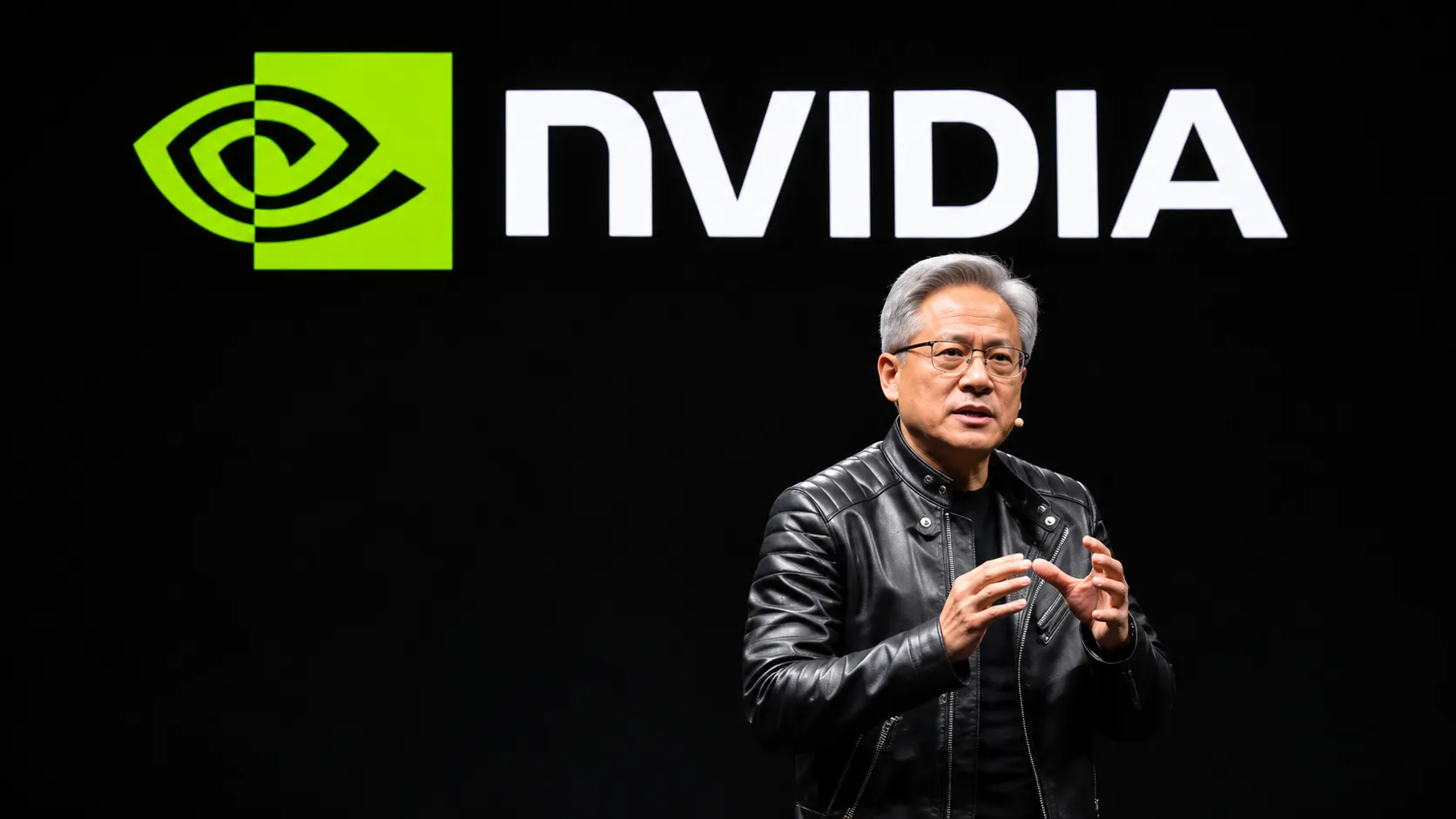
Nvidia, the company at the centre of the artificial intelligence boom, faced one of the most unusual governance crises in corporate history on Monday, November 9, as investors weighed reports that its founder and chief executive had been the target of a foreign intelligence operation.

The world's most valuable chipmaker's shares closed down 4.27% at $178.67, from $186.64 on Friday, according to StockTitan. The decline erased roughly $192 billion of market value, based on about 24.1 billion shares outstanding, with some estimates putting the loss above $200 billion.

The sell-off followed a statement released by Nvidia's board on Sunday, November 8, saying it was "initiating an independent investigation" after recent reports that Jensen Huang had been the target of a foreign intelligence effort, according to the statement published on GlobeNewswire.

What the board said

The board said a committee of independent directors, assisted by outside independent counsel, will oversee the investigation. It emphasised that it places a priority on US national and economic security.

The board said it has no reason to believe that national security or Nvidia secrets were compromised, but that the inquiry would examine all available information. "Jensen fully supports the review and has committed to cooperating with it," the board said. It added that it has confidence in Huang and his leadership team, and would provide updates as appropriate.

Huang's admission

The reports that triggered the review concern Huang's personal life. According to Fortune, the woman with whom Huang had an affair has been identified in a series of reports as a suspected Chinese spy.

Huang acknowledged the relationship. "I was unfaithful to my wife. My actions hurt her and our children. There is no excuse for what I did," he said, according to Fortune. He apologised, said he had "fallen short" of his responsibility to Nvidia and pledged to work to earn back the confidence of the board, partners and shareholders.

The Chinese government denied any involvement, describing the reports as "nothing but smears," according to Fortune. The allegations have not been proven, and Nvidia has announced no change in its leadership.

The market reaction

The decline in Nvidia's shares stood out on a day when the broader market rallied strongly. The S&P 500 rose 2.35%, its best day since April 8, and the Nasdaq Composite gained 2.74%, as investors bought technology stocks after a sharp sell-off the previous week, according to StockTitan. Rival chipmaker AMD rose 13.26% after an upgrade by Oppenheimer.

"The impact is currently contained to Nvidia," said Joachim Klement, an analyst at Panmure Liberum, according to CNBC as cited by StockTitan.

Daniela Hathorn, senior market analyst at Capital.com, said speculation about leadership uncertainty at Nvidia "could unsettle investors," according to TheStreet.

Huang's personal fortune has also fallen. His net worth dropped from just over $171 billion early last week to about $150.9 billion on Thursday, according to the Bloomberg Billionaires Index cited by Fortune, before rebounding slightly. Nvidia's shares were down 18.6% over the past month, a period that also included a broad sell-off in AI stocks.

The succession question

Huang co-founded Nvidia in 1993 and has led it ever since, transforming it from a maker of graphics chips for video games into the dominant supplier of the processors that power artificial intelligence. He is the company's largest individual shareholder, and his public profile is closely linked to Nvidia's identity.
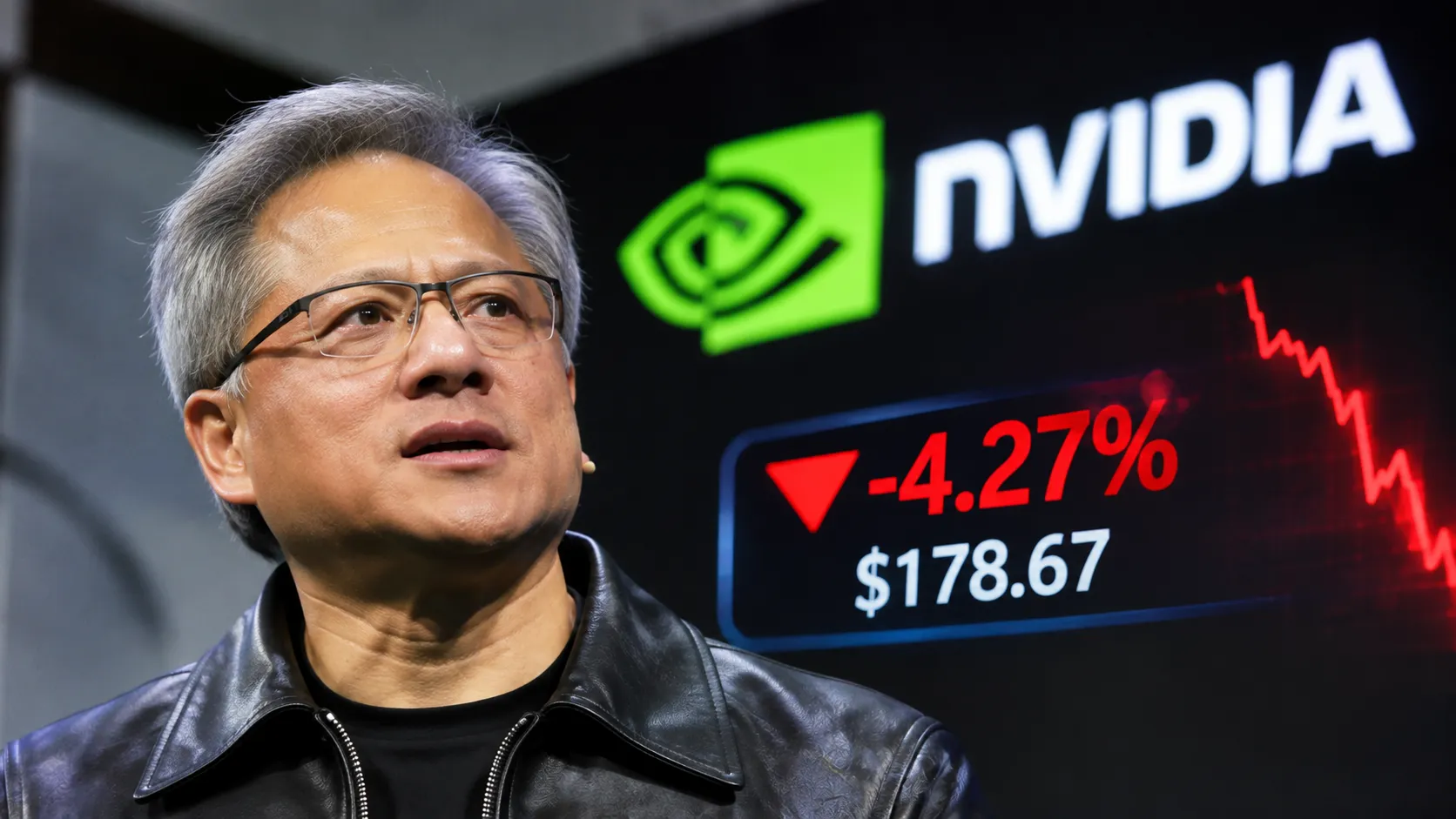

“Jensen fully supports the review and has committed to cooperating with it.”
— Statement from the NVIDIA Board of Directors

That close association makes any uncertainty about his position especially sensitive for investors. Fortune noted that no obvious successor has been identified. Jeffrey Sonnenfeld of Yale School of Management put the odds of Huang's resignation at 50-50, while the Kalshi prediction market priced the chance of him leaving before July 27 at 25%, according to Fortune.

President Donald Trump said he had not spoken with Huang but called him "a fine person," according to Fortune. TheStreet reported that Trump said Huang should stay as chief executive, adding: "you never know what is going on."

Why national security matters

Nvidia occupies a uniquely sensitive position in US national security. Its advanced AI chips are subject to strict export controls designed to limit China's access to cutting-edge computing power, and the company has been at the centre of debates in Washington about what chips can be sold to Chinese customers. Any suggestion that its chief executive was targeted by a foreign intelligence service will draw intense scrutiny from policymakers.

The company's technology roadmap, including its Blackwell and upcoming Rubin generations of AI processors, is among the most valuable intellectual property in the technology industry. The board's statement that it has no reason to believe secrets were compromised is intended to reassure investors and customers on this point.

27c8d045-b027-4223-bc0f-17a9578d5007.png

A test of corporate governance

The investigation is a significant test of Nvidia's board. Governance experts generally view independent committees and outside counsel as the appropriate way to handle allegations involving a chief executive, as they reduce the risk of conflicts of interest. The board's swift response, issued on a Sunday before markets opened, was designed to show that it is taking the matter seriously.

The outcome could have far-reaching consequences. If the investigation clears Huang of any wrongdoing affecting the company, confidence may recover quickly. If it uncovers more serious problems, the board may face difficult decisions about leadership at a company whose value is closely tied to its founder.

Earnings ahead

Investors will soon receive more information about Nvidia's business. The company is due to report third-quarter results on November 17, according to StockTitan. Analysts will look for evidence that demand for its AI chips remains strong, despite concerns about a slowdown in data centre construction in the United States following the midterm elections.

Why it matters for India

Nvidia's chips underpin India's AI ambitions. The government's IndiaAI Mission has subsidised access to thousands of GPUs, most of them Nvidia processors, for startups and researchers, and Indian companies such as Reliance and data centre operators are building AI infrastructure based on Nvidia technology. Nvidia also employs thousands of engineers in India, in Bengaluru, Hyderabad, Pune and other cities. Any leadership instability at Nvidia would be closely watched by Indian companies relying on its roadmap and partnerships.

What comes next

The independent committee's investigation is likely to take time, and the board has promised updates as appropriate. In the meantime, Nvidia's shares are likely to remain sensitive to new reports about the allegations. The November 17 earnings report will offer the first major opportunity for management to reassure investors that the business remains on track, regardless of the questions surrounding its chief executive.

TagsNvidiaJensen Huangcorporate governanceboard investigationforeign intelligencenational securityAI chipssemiconductorsNasdaqBig TechChinaUS-China tech rivalryCEO successionAI stocksBlackwellRubinWall Streetmarket valueIndia AIinvestors

Reader reviews

Sign in to rate and review this article.
Loading reviews…

