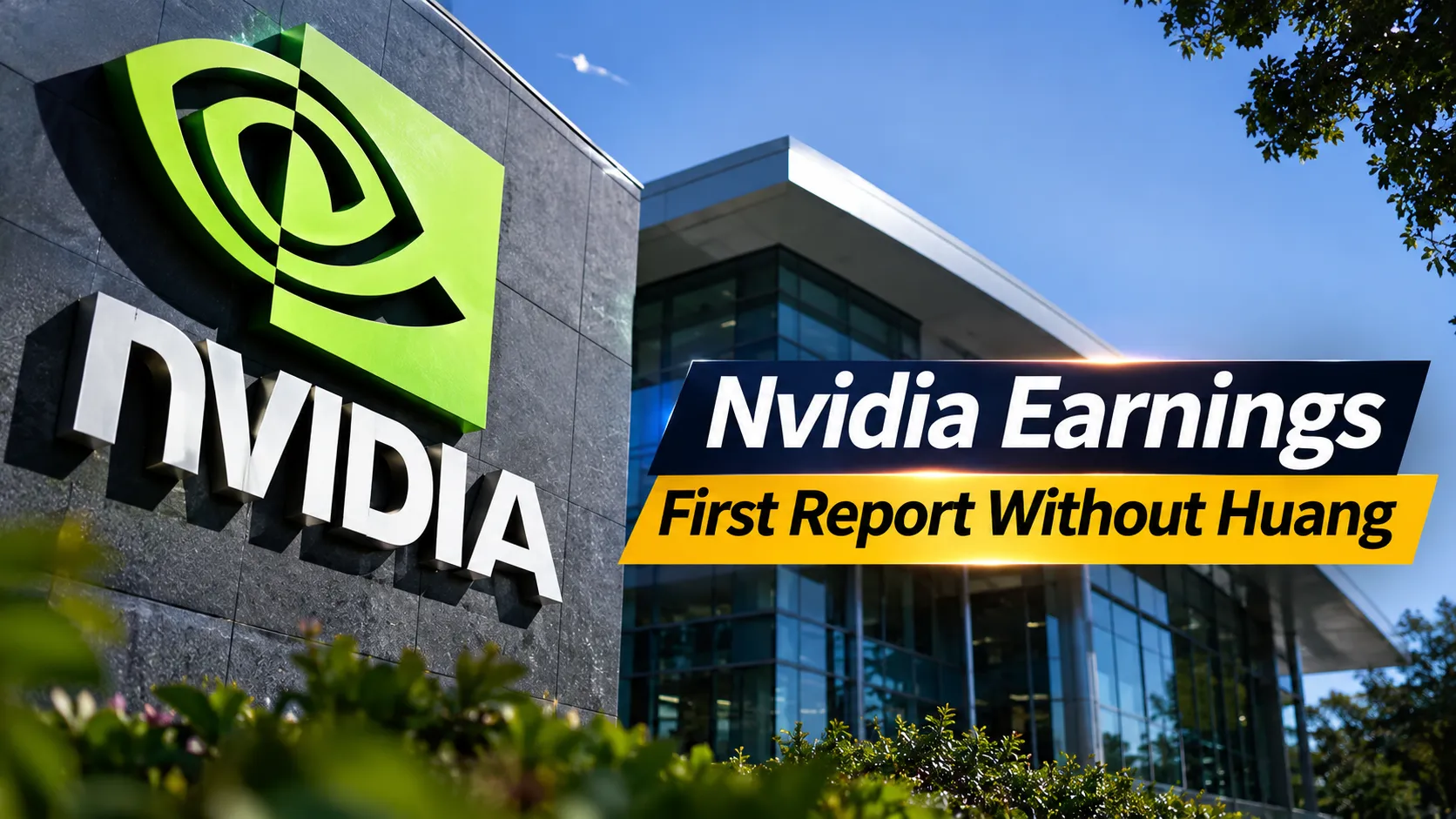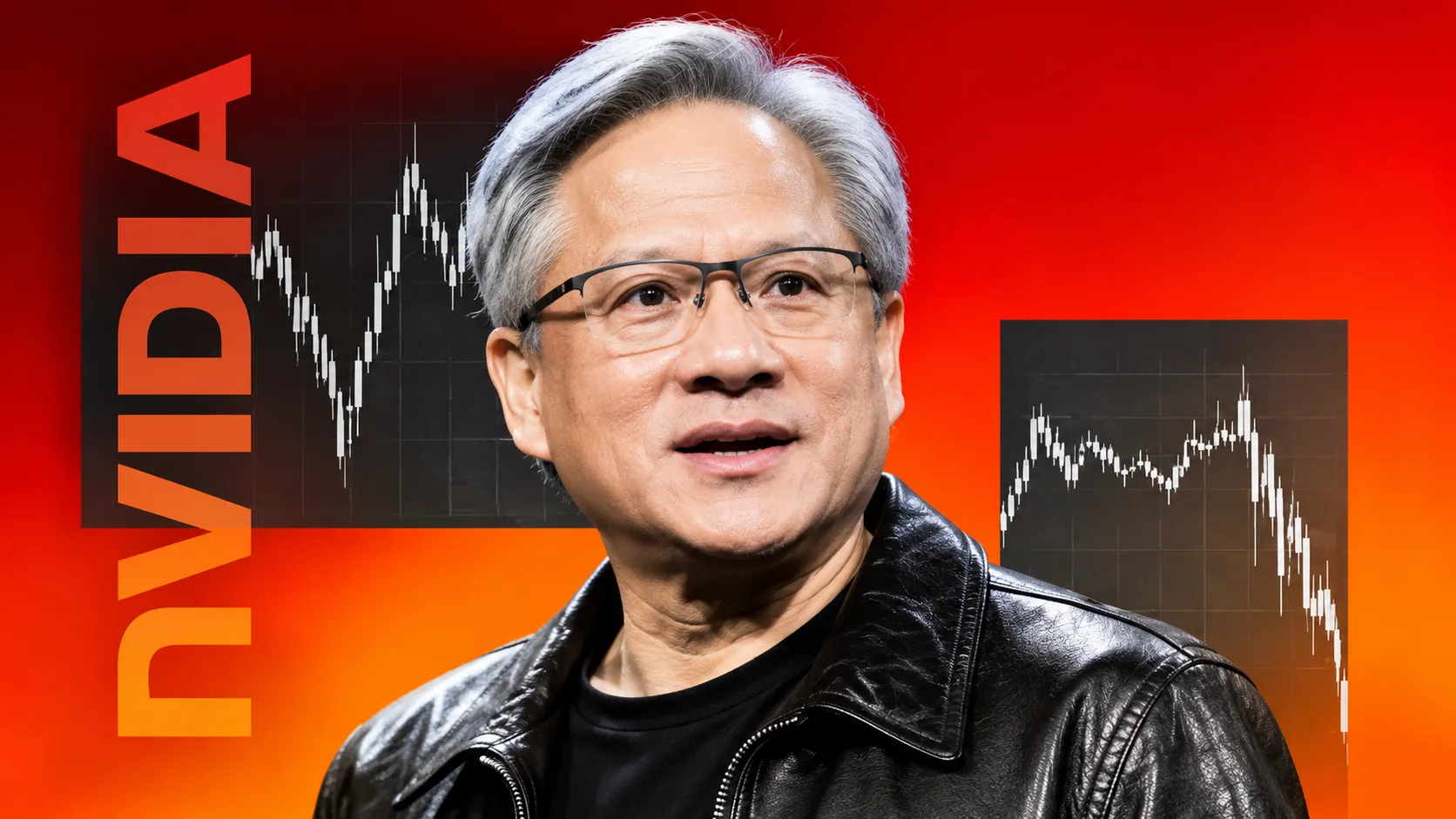
For the first time in more than three decades, Nvidia will report its results without Jensen Huang at the helm, and the stakes could hardly be higher.
The world's most valuable chipmaker reports its third-quarter results for the 2027 financial year after the market closes on Tuesday, November 17. It will be the company's first earnings report since Huang stepped down as chief executive last week, according to The Motley Fool, which published a preview on November 15.
Chief financial officer Colette Kress, who is also serving as interim chief executive, will lead the earnings call.
What Nvidia has promised
Nvidia guided to revenue of about $108 billion for the quarter, plus or minus 2%, with a gross margin of about 74%, down from 75% in the previous quarter because of higher memory costs, according to The Motley Fool.
Analysts expect revenue of about $109 billion, roughly 91% above a year earlier, and adjusted earnings of $2.47 per share. In the previous quarter, Nvidia reported revenue of about $96 billion, more than double the prior year and more than $3 billion above the top of its own forecast. The company has beaten the top end of its revenue guidance for 14 consecutive quarters.
A big move expected
Options traders are pricing in a move of about 9.67% in either direction after the results, according to Yahoo Finance, citing TipRanks. That reflects the uncertainty surrounding the leadership change as well as the company's results and outlook. In its last four reports, the stock's moves on the day after earnings averaged 4.78% in absolute terms.
Nvidia shares closed at $162.85 on Friday, November 13, and are down more than 30% from their October peak, according to The Motley Fool.
Analysts divided
Analysts are split on how the leadership change affects the investment case. Wells Fargo analyst Matt Bryson, who rates the stock overweight with a $300 target, described Huang's resignation as a "clearing event," according to Yahoo Finance. Barclays analyst Tom O'Malley, also overweight, cut his target to $210 from $275, citing "structural key man risk."
KeyBanc analyst John Vinh, who rates the stock sector weight, expects "strong results and guidance despite Rubin constraints," referring to the company's next-generation Rubin chip platform. The consensus rating is moderate buy, with 27 buy ratings and 10 holds, and an average price target of about $255.
What investors will watch
Beyond the headline numbers, investors will focus on several issues, according to The Motley Fool.
The fourth-quarter forecast and longer-term outlook will be critical. In August, management projected about 70% revenue growth for the 2028 financial year, and investors will want to know if that still holds.
Margins are another concern. Management has warned that gross margin could bottom at 71% to 72% in the fourth quarter, as rising memory prices raise costs.
Supply constraints, including whether limited hardware supply is holding back growth, will also be in focus.
Competition is a growing theme. Investors want to know whether Amazon's Trainium chips and Google's Tensor Processing Units are reducing Nvidia's pricing power or taking orders. Large technology companies have been developing their own AI chips to reduce dependence on Nvidia.
Nvidia's investments in AI developers and its support for customers' data centre leases have also drawn scrutiny, because of the risk they create if customers struggle to pay.