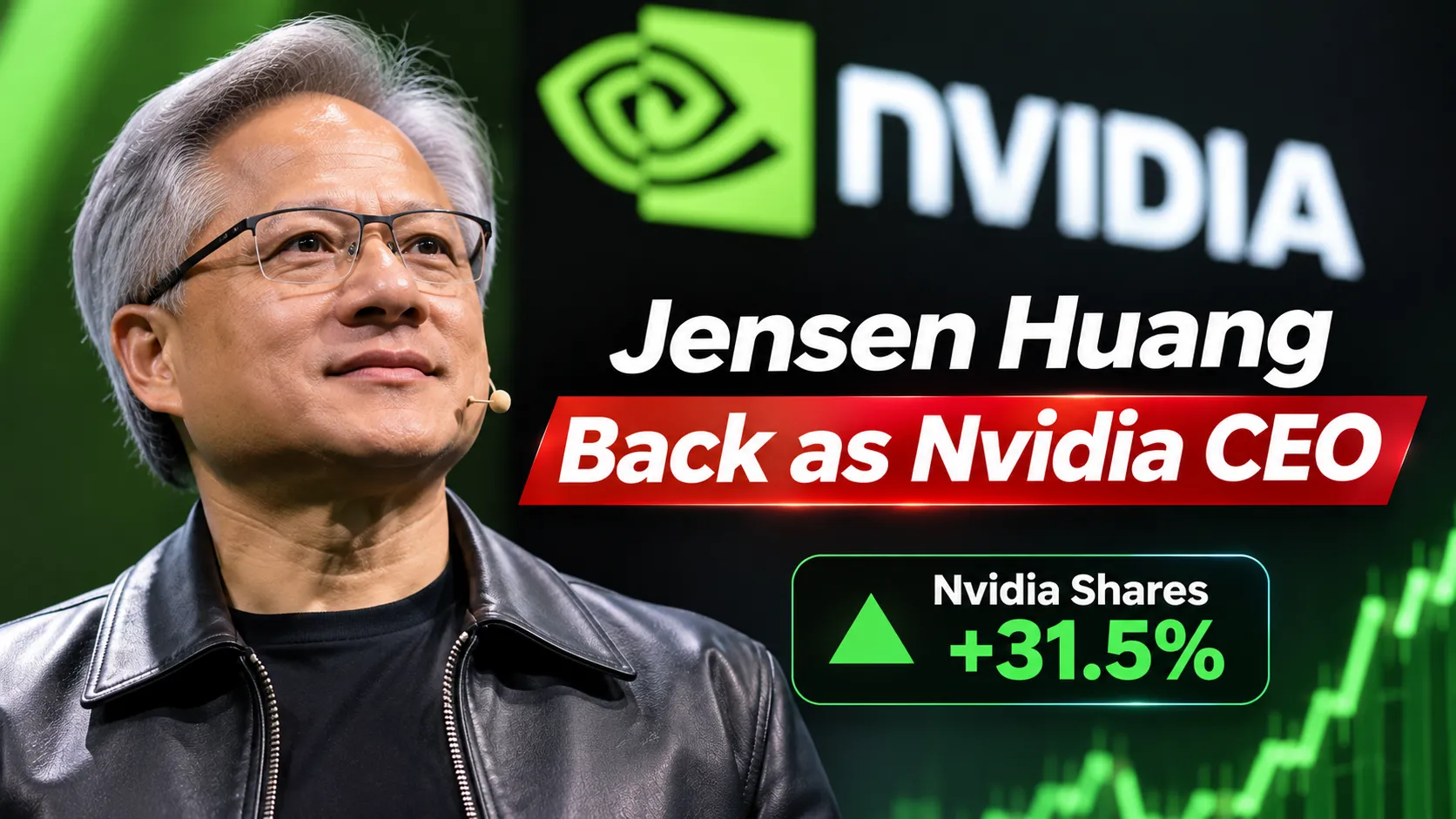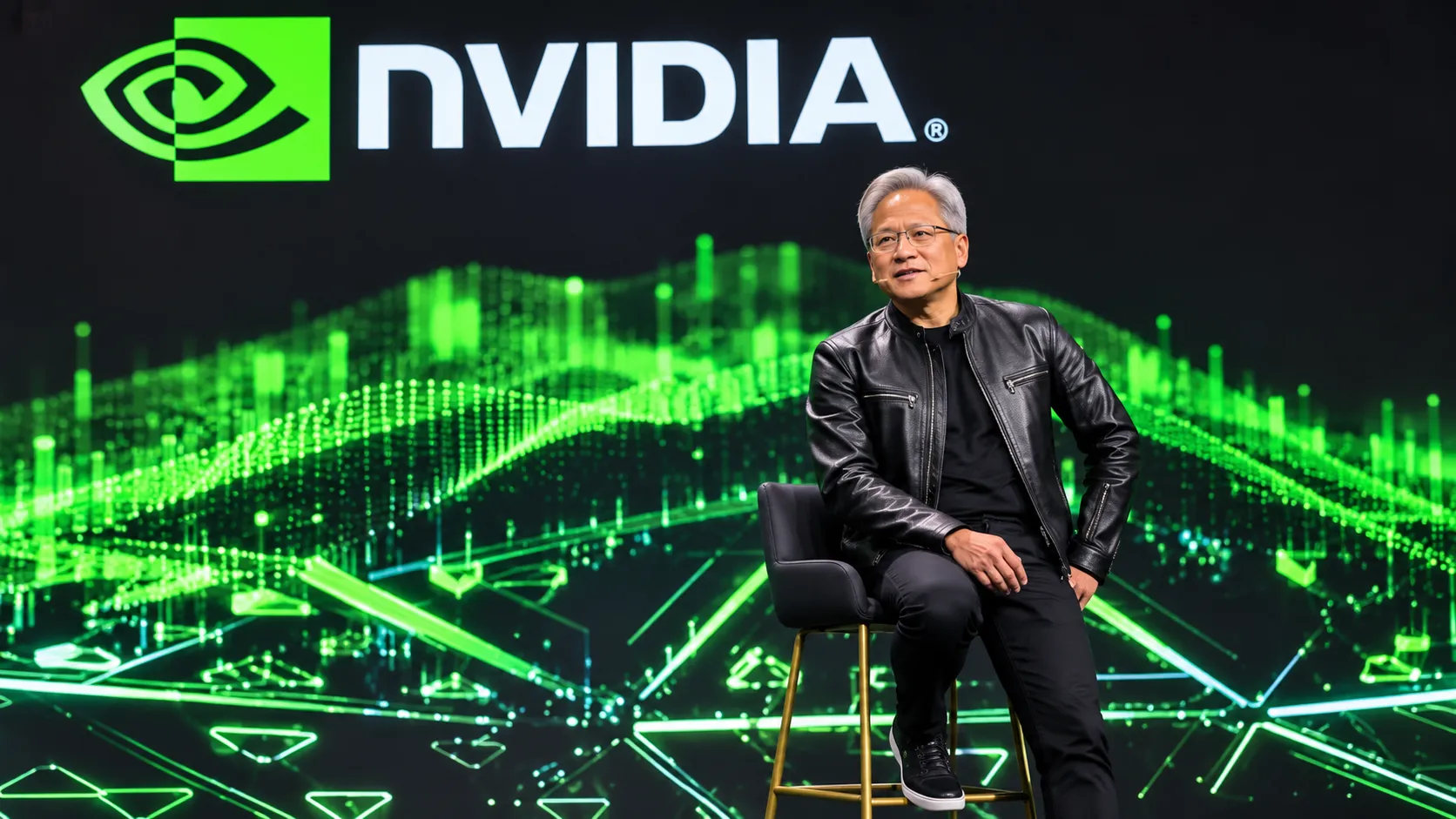
In one of the most extraordinary reversals in corporate history, the world's most valuable chipmaker has brought back the founder it parted ways with less than two weeks ago.
Nvidia's board of directors unanimously voted to reinstate Jensen Huang as president and chief executive officer and to return him to the board, effective immediately, the company said in a statement filed with the US Securities and Exchange Commission on Monday, November 23.
The board said it had met with Huang and concluded that he had been candid and was capable of leading the company. It added that input from senior US government officials had led it to judge that his return posed no national security risk.
A dramatic two weeks
Huang, who co-founded Nvidia in 1993 and led it for 33 years, resigned earlier this month after reports that he had been targeted by a foreign intelligence effort and disclosures about his personal conduct. The company named chief financial officer Colette Kress as interim chief executive and Harvey C. Jones as the first independent chair of its board.
The resignation shocked investors and the technology industry. Nvidia's chips are at the heart of the global artificial intelligence boom, and Huang had become one of the most recognisable business leaders in the world. The company's shares fell sharply in the days that followed, wiping hundreds of billions of dollars off its market value.
What the board said
"The Board believes Jensen is the right person to lead NVIDIA," Harvey Jones, the board chair, said in the statement, adding that the reinstatement served the interests of shareholders, employees, partners and customers.
Huang said: "I take this responsibility with the greatest humility and renewed commitment." He thanked the board, Jones, Kress, Nvidia's employees and his family.
Kress will return to her role as chief financial officer. The board thanked her for leading the company during the transition period. Jones will remain chair, meaning Nvidia will keep the separation of the chair and chief executive roles introduced during the crisis.
The investigation continues
The reinstatement does not end the inquiry into the circumstances that led to Huang's departure. The board previously formed an investigation committee made up entirely of independent directors, which has engaged independent counsel. The board said the investigation will run to completion, and Huang said he supports it and will cooperate fully.
The board's statement did not report any findings from the investigation.
New governance safeguards
Alongside Huang's return, Nvidia announced several governance changes intended to address concerns raised by the episode. It created a new National Security and Export Control Committee composed of independent directors, which will oversee trade compliance and national security risks.
The company is also searching for a chief compliance officer, who will report to the board's Nominating and Corporate Governance Committee. Nvidia said it will continue to cooperate with government investigations and inquiries.
These changes reflect the unusual position Nvidia occupies. Its most advanced chips are subject to strict US export controls, particularly on sales to China, and the company has faced scrutiny over whether its products have reached restricted buyers through intermediaries.
The Megaspeed connection
The scandal has been linked to Megaspeed, a Singapore-based data centre company that US authorities suspect of helping move Nvidia's most powerful chips to China in breach of export rules. The US Commerce and Justice departments confirmed earlier this month that they were investigating the company. Nvidia had placed Megaspeed on a "no sell" list in June 2025.