FundingLatest Deals6 MIN READ

Octave.energy Raises 10 Million Euros as Europe's Grid Constraints Create a Battery Software Market

Belgian clean-energy startup Octave.energy has raised 10 million euros in Series A funding to expand its profitable battery storage and energy-management platform across Europe's increasingly constrained power grids.

By Shaym Kumar · Author5 September 2026New
Octave.energy Raises 10 Million Euros as Europe's Grid Constraints Create a Battery Software Market

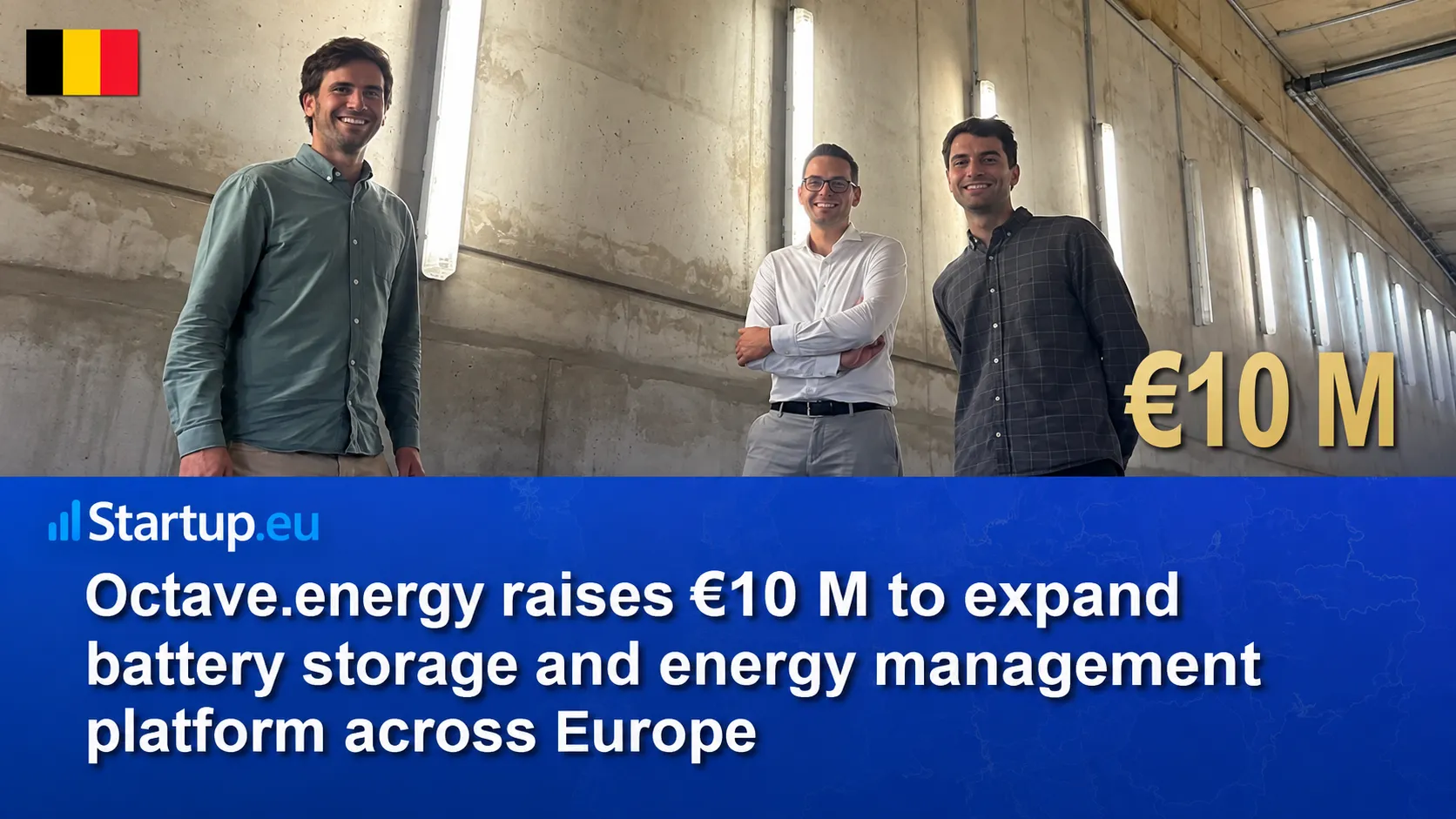
Octave.energy, a Belgian clean-energy startup based in Mechelen, has raised 10 million euros in Series A financing combining equity and flexible debt, led by SPDG Growth with participation from imec.istart, BNP Paribas Fortis and KBC. The round stands out within Europe's climate technology funding landscape for a straightforward reason: the company is already profitable, a rarity among early-stage climate technology startups still commonly reliant on continued external funding to sustain operations.

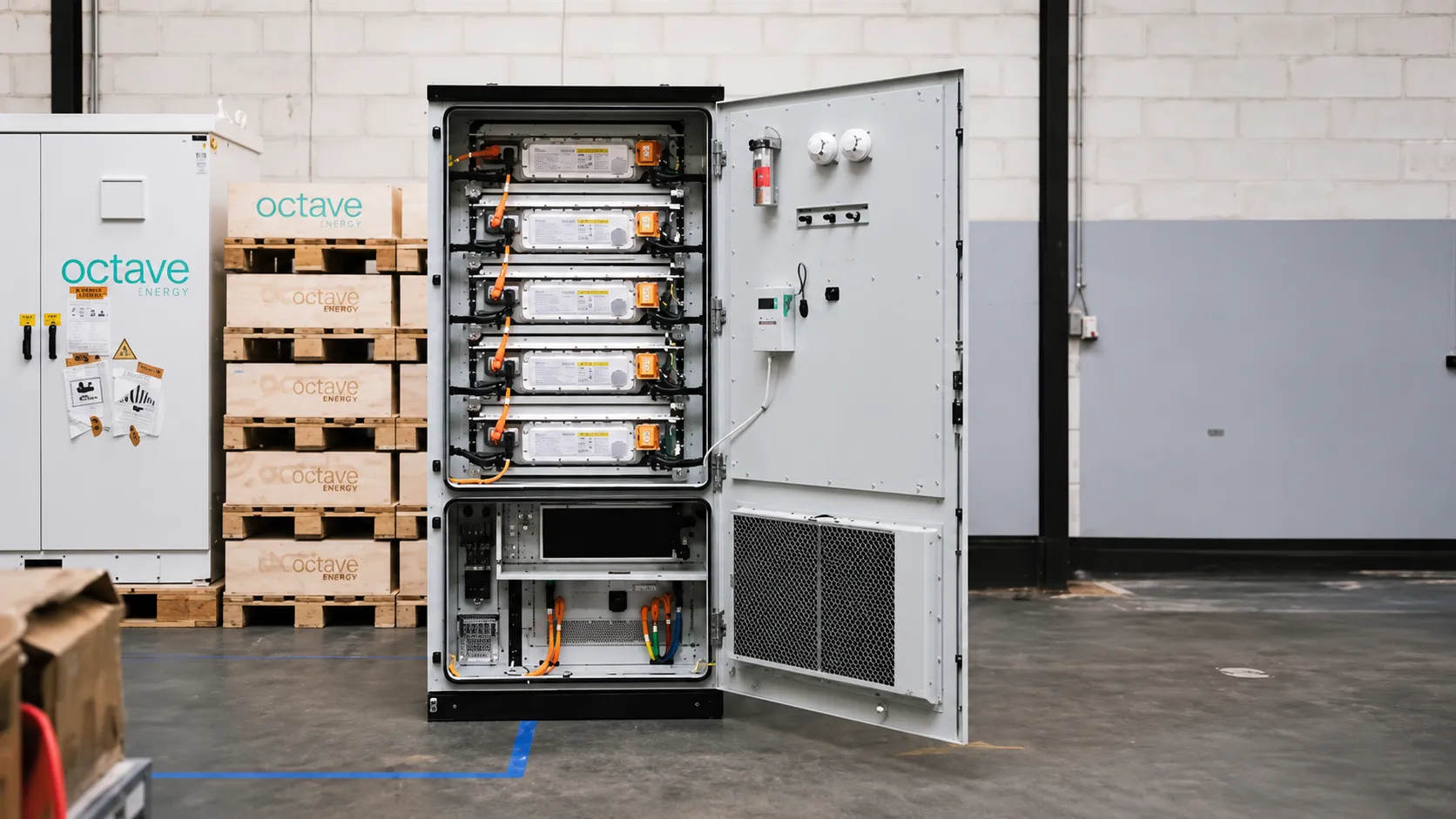
Octave combines battery energy-storage systems with proprietary energy-management software, enabling commercial customers to store electricity, manage consumption peaks, coordinate electric vehicle charging schedules and participate in electricity flexibility markets that compensate businesses for adjusting their energy usage patterns in response to grid conditions.

The round also stands out within a broader European climate technology funding environment that has grown considerably more selective over the past two years, with investors increasingly favouring companies that can demonstrate genuine commercial traction and, ideally, existing profitability, over earlier-stage ventures still working to validate fundamentally new technology approaches without established revenue.

Energy sector professionals note that battery storage economics vary considerably across different European electricity markets depending on local flexibility market design, wholesale price volatility and regulatory treatment of distributed storage assets, meaning Octave's ability to replicate its Belgian profitability in new markets will depend heavily on how effectively its software platform can be recalibrated to each new jurisdiction's specific market rules and pricing structures.

The company has disclosed deploying more than 200 megawatt-hours of storage capacity across more than 400 business customers, while maintaining profitability for three consecutive years, a combination of scale and financial discipline that distinguishes Octave from many climate technology peers that have prioritised rapid growth over near-term profitability. Revenue reached 16 million euros in 2025, according to the company.

Those figures reframe this financing round in a fundamentally different light compared with many early-stage climate technology raises: rather than funding a scientific breakthrough still working toward commercial viability, investors are financing the geographic expansion of an already revenue-generating, profitable business model into new European markets facing similar grid constraints.

Flexibility markets, which compensate businesses financially for adjusting their electricity consumption timing in response to grid conditions, have grown increasingly important across several European electricity markets as grid operators seek cost-effective alternatives to expensive traditional infrastructure expansion, creating a genuine revenue opportunity for companies like Octave that can help commercial customers participate effectively in these markets through automated, software-managed battery dispatch.

European grid operators have increasingly begun publishing congestion forecasts identifying specific regions where demand growth from electrification is expected to outpace planned infrastructure upgrades over the coming several years, data that companies like Octave use directly to prioritise which national markets to target first as they deploy new growth capital toward geographic expansion.

Europe's electricity grids have faced mounting pressure from a combination of factors, including accelerating electrification of transport and heating, rapid growth in renewable generation capacity that introduces variability into grid supply, and new industrial electricity demand, all converging to create the kind of grid congestion that increases the commercial value of flexible, dispatchable battery storage capacity for businesses that can shift their consumption timing.

A profitable climate tech company raising growth capital, rather than survival capital, is the strongest signal Europe's battery storage market has turned commercially real.
TIGI Sustainability Desk

Rather than waiting years for grid infrastructure expansion, which typically involves lengthy permitting and construction timelines across European utility regulatory frameworks, battery storage paired with intelligent energy-management software allows businesses to effectively work around localised grid constraints in the near term while broader infrastructure investment catches up with demand growth.

ChatGPT Image Sep 5, 2026, 03_38_44 PM.png

Electrification of transport and heating across Europe has accelerated considerably faster than grid infrastructure upgrade cycles in many regions, creating localised congestion points where additional electricity demand, whether from electric vehicle charging or heat pump adoption, threatens to exceed what existing grid infrastructure can reliably support without either costly upgrades or demand-side flexibility solutions of the kind Octave's platform provides.

For investors and business leaders evaluating climate technology opportunities globally, including in India where grid constraints and renewable energy integration challenges share meaningful similarities with the European context, Octave's profitable growth trajectory offers a useful counter-example to concerns that climate technology inherently requires prolonged periods of unprofitable growth before reaching commercial viability.

For European climate technology investors, Octave's financing offers a useful counterpoint to the broader narrative that climate tech funding has cooled significantly from its earlier highs. Profitable, infrastructure-adjacent businesses addressing genuine, immediate operational pain points for commercial customers appear to remain attractive to investors even in a more selective overall climate technology funding environment.

As Octave uses its new capital to expand beyond its current footprint, its ability to replicate its profitable unit economics in new European markets, each with distinct grid regulations, electricity pricing structures and flexibility market designs, will determine whether the company can scale its already-proven business model across the broader European Union rather than remaining a strong but geographically limited success story.

As European utilities and grid operators continue navigating this tension between rising electrification demand and constrained infrastructure investment cycles, companies offering commercially proven, profitable flexibility and storage solutions are increasingly well positioned to capture a growing share of what industry analysts expect to be a rapidly expanding market for grid-support services over the remainder of the decade.

Policymakers focused on grid modernisation and renewable energy integration will likely continue watching companies like Octave closely, since demonstrably profitable, scalable battery storage and flexibility solutions offer a practical, near-term complement to longer-term grid infrastructure investment, potentially easing some of the political and budgetary pressure associated with the far larger capital expenditure that comprehensive grid upgrades would otherwise require.

The bottom line for TIGI's readers: a profitable, three-year-old battery storage company raising growth capital is exactly the kind of proof point Europe's climate tech sector needs to counter narratives of a funding downturn.

Energy market analysts note that Octave's next major test will be maintaining the same profitability discipline in new markets that it has demonstrated in Belgium, a challenge that has tripped up several previously profitable climate technology companies attempting rapid multi-country expansion. How quickly the company can adapt its software platform to unfamiliar flexibility market rules in each new country will likely determine the pace of that expansion more than capital availability alone.

TagsOctave.energyBattery StorageBelgiumClimate TechSeries AGrid Infrastructure

Reader reviews

Sign in to rate and review this article.
Loading reviews…