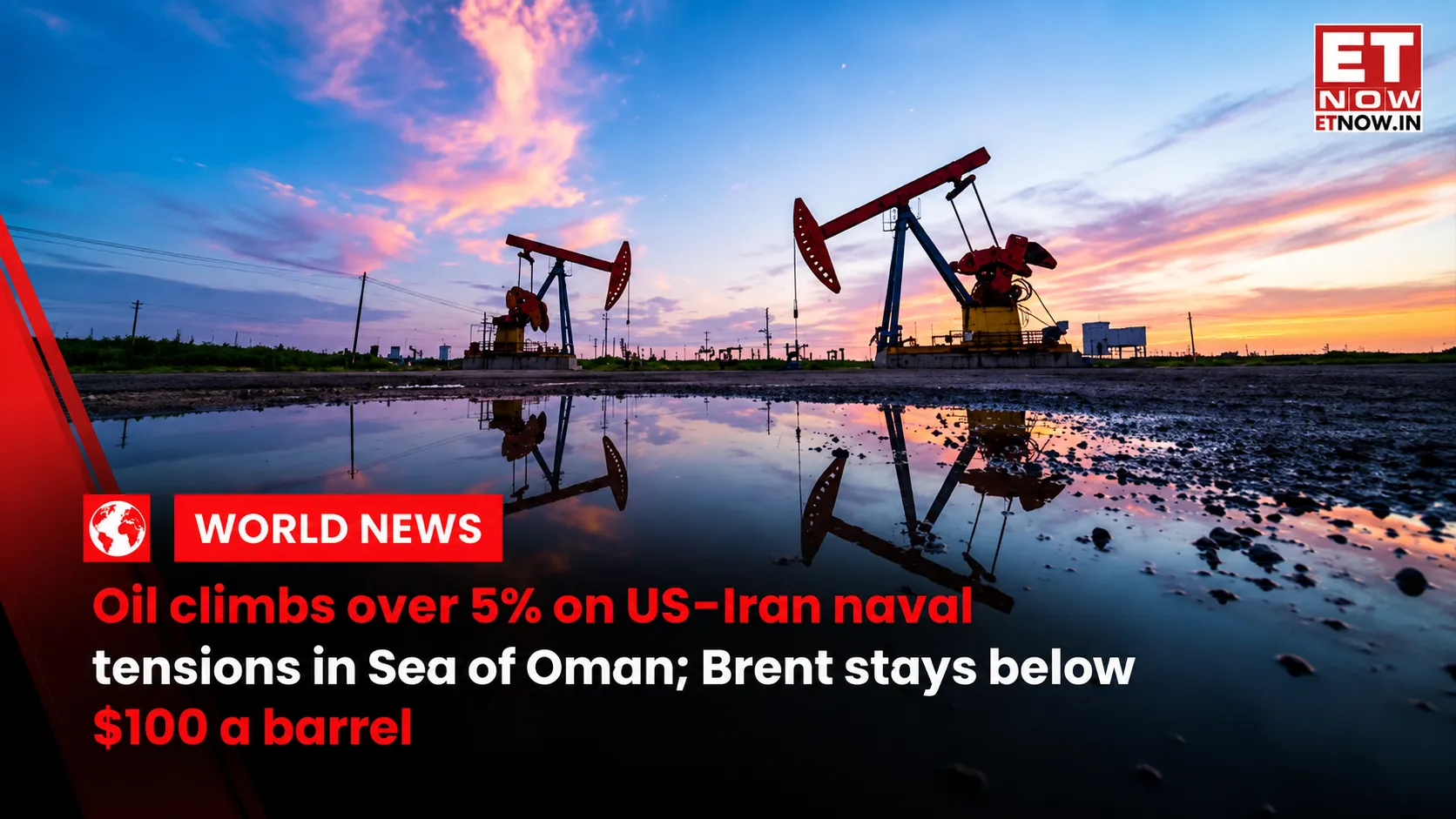
Global oil prices climbed toward $97 a barrel on September 8, 2026, after reports that Houthi rebels had struck a Saudi Aramco refinery, reviving concerns about supply disruption from a region that remains central to global energy markets despite years of diversification efforts by major economies. The move added to a broader wave of risk-off positioning across global markets, with equity-index futures for several major Asia-Pacific markets pointing to declines at the open.
The renewed geopolitical risk premium in oil markets arrives at a delicate moment for global monetary policy, with central banks continuing to weigh incoming inflation data against growth concerns. Higher energy prices feed directly into headline inflation readings across most economies, complicating the policy calculus for institutions such as the U.S. Federal Reserve and European Central Bank as they assess whether recent progress on disinflation can be sustained if energy costs remain elevated. Separately, Jane Foley, head of FX strategy at Rabobank, pointed to weakening confidence in the U.S. dollar following stronger-than-expected payrolls data, a signal that currency markets are grappling with a more complex set of crosscurrents than the oil-driven risk-off move alone would suggest.
European markets opened the trading week broadly lower, with the pan-European Stoxx 600 index down close to 0.1 percent shortly after the London open, as most regional sectors traded in negative territory. Oil and gas stocks were a notable exception, posting early gains as investors rotated into energy names likely to benefit directly from higher crude prices — a familiar pattern during periods of geopolitically driven oil-price spikes, where energy-sector equities often decouple from the broader market's risk-off tone even as most other sectors retreat.
With multiple crosscurrents in play — a fresh geopolitical shock to oil supply, wavering dollar confidence following stronger labour-market data, and a broadly cautious tone across European equities — global markets face a complex set of signals heading into the coming sessions. Investors will be watching closely for any indication of further escalation or de-escalation around the reported Saudi Aramco incident, given how directly and immediately oil-price moves of this kind tend to feed through into both inflation expectations and risk sentiment across asset classes.