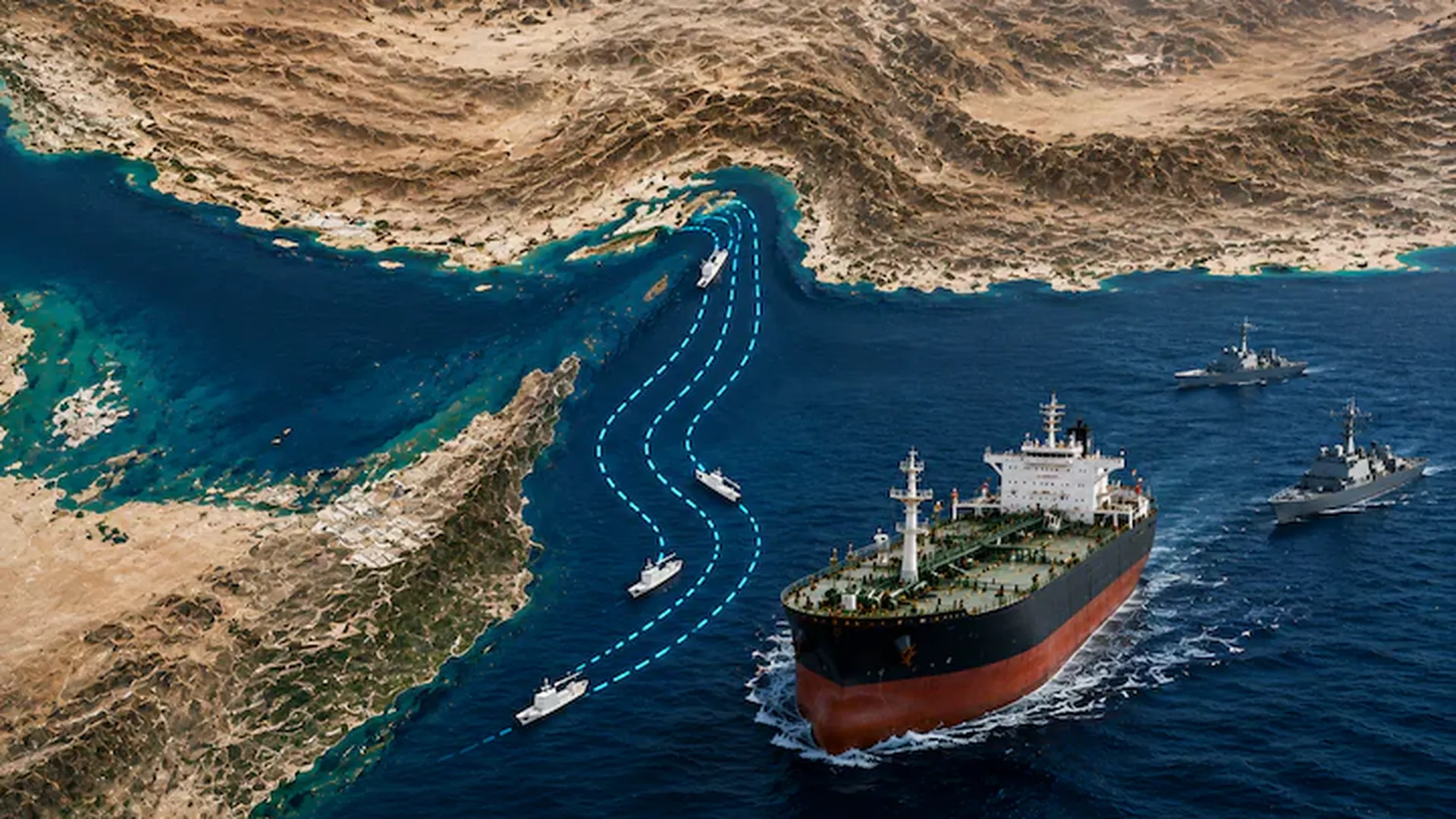
Oil prices pulled back from their highs this week after reports that the United States and Iran were exploring a phased agreement to reopen the Strait of Hormuz, the narrow waterway through which a large share of the world's oil normally flows.
Brent crude, the international benchmark, rose above $108 a barrel on Thursday, September 24, as tensions in the Gulf flared, before trimming those gains to trade near $107 on reports of the diplomatic talks, according to Bloomberg and Trading Economics. On Friday, September 25, Brent fell further, trading around $105.5 a barrel, down about 1% on the day, as optimism about a possible deal spread.
Even after the pullback, Brent remained on course for a weekly gain of more than 2%, a reminder of how fragile the supply situation remains.
What is being discussed
According to reports cited by Trading Economics and CNBC, US and Iranian negotiators were considering a phased deal that could reopen the Strait of Hormuz to tanker traffic and lift a US blockade on Iranian ports. Qatari mediators were said to be involved, with talks taking place on the sidelines of the United Nations General Assembly in New York.
Reports on Thursday suggested that negotiators were closer to an agreement on restoring tanker flows, which helped ease both oil prices and yields on shorter-dated US government bonds. No agreement has been announced, and officials have not confirmed the details publicly.
A phased approach would likely involve gradual steps — for example, allowing limited tanker movements in exchange for easing of certain restrictions — rather than a single comprehensive settlement.
A disruption without precedent
The stakes are enormous. The Strait of Hormuz, which connects the Persian Gulf to the Gulf of Oman and the Arabian Sea, normally carries about a fifth of the world's oil supply.
Shipping through the strait was severely disrupted after conflict involving Iran escalated in late February 2026. The International Energy Agency described the disruption as the largest supply disruption in the history of the global oil market and, in March, coordinated a release of 400 million barrels from strategic reserves by member countries.
Oil prices have swung sharply since. Brent jumped to around $80–82 a barrel in early March and peaked at about $118 at the end of that month, before falling to near $72 by early July after a ceasefire, according to a timeline compiled from market data. Prices then recovered as shipping remained depressed and new tensions emerged, climbing back above $100.
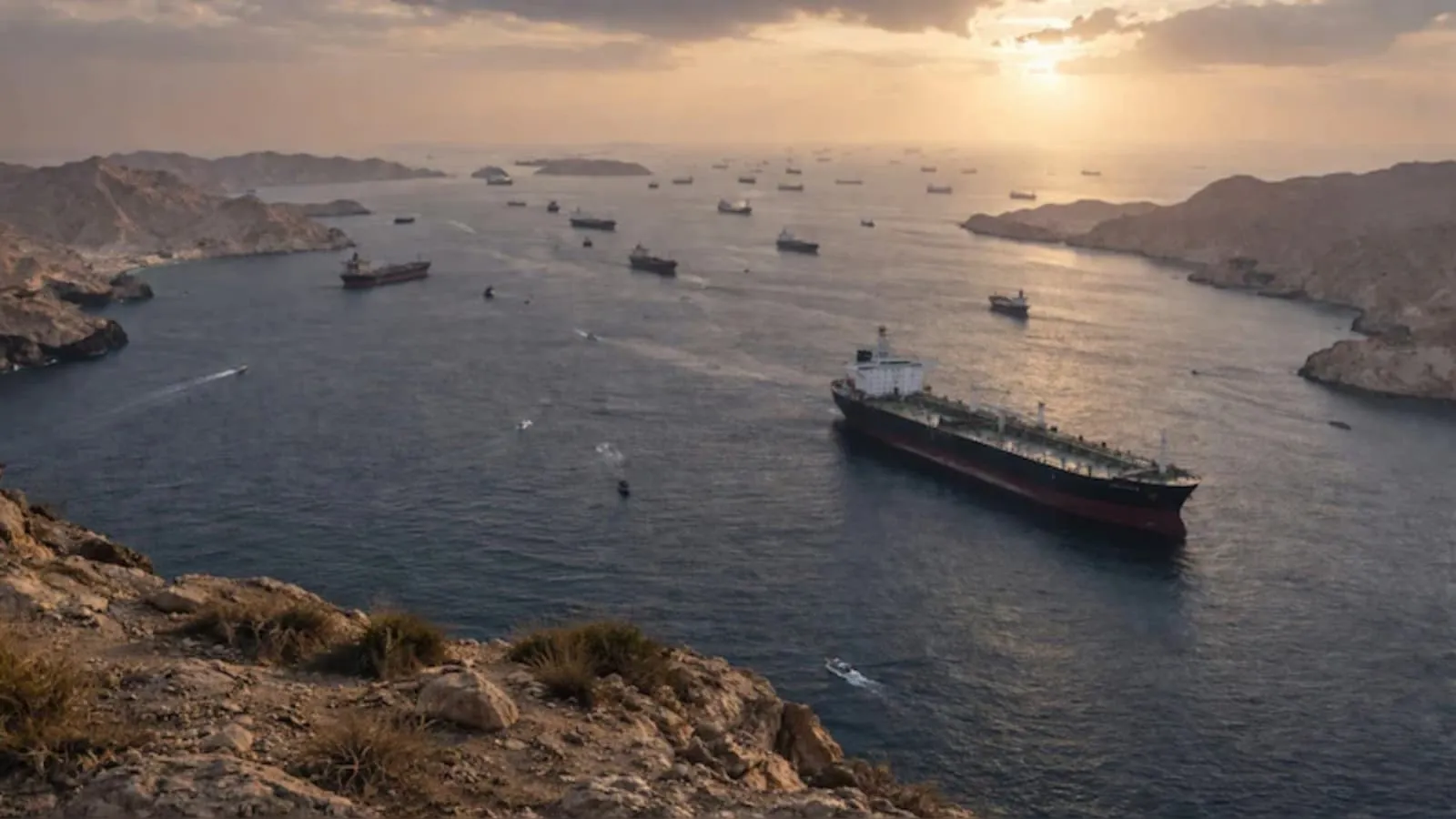
The situation on the water remains tight. Only 10 commodity vessels transited the strait on Wednesday, well below the 10-day average of 17, according to Trading Economics. Saudi Arabia's workaround of shipping crude via Red Sea ports now carries war-risk insurance costs nearly as high as passage through the strait itself. Iran-aligned Houthi militants in Yemen have also launched missiles towards Saudi cities, including Yanbu, a key oil export terminal on the Red Sea.
Earlier strikes brought Gulf exports to a near standstill and disrupted Saudi Arabia's East-West pipeline, which had been diverting about 7 million barrels a day to Red Sea ports. Saudi output fell to its lowest level since 1990, and the US Strategic Petroleum Reserve is near record lows.
Markets on edge
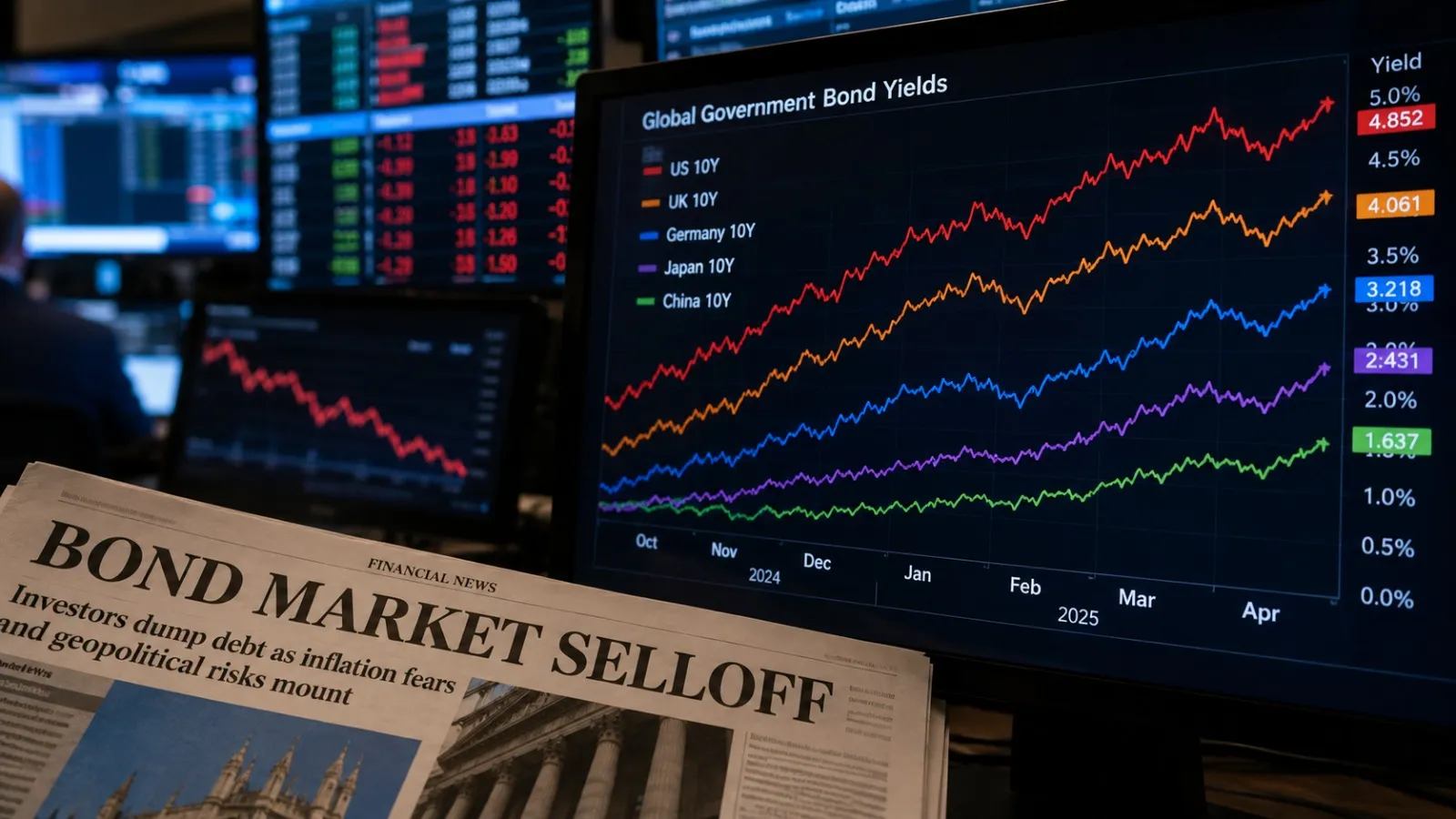
Oil's moves have been rippling through global financial markets. High energy prices have fed concerns that inflation will remain elevated, pushing up bond yields. The US 10-year Treasury yield reached its highest level since 2007 this week, and several Federal Reserve officials have discussed the possibility of further interest-rate increases.
Equity markets have felt the pressure. In India, the Sensex fell more than 1,200 points on Thursday as rising yields and oil prices triggered a broad sell-off. On Wall Street, the Dow Jones Industrial Average fell, although US stocks pared losses after the reports of possible progress in the US–Iran talks.
The reaction shows how closely investors are watching diplomacy. A credible path to reopening Hormuz could bring oil prices down significantly, easing inflation pressures and potentially relieving pressure on bond markets. Failure could send prices sharply higher again.
What it means for India
Few major economies are as exposed to the Gulf as India. The country imports the vast majority of the crude oil it consumes, and Asian economies — China, India, Japan and South Korea — together account for about three-quarters of Gulf oil exports.
High oil prices affect India in several ways. They widen the trade deficit, put pressure on the rupee and push up the cost of fuel, transport and a wide range of goods. They can also constrain the Reserve Bank of India's ability to cut interest rates if inflation rises. Earlier in the crisis, the government cut excise duties on fuel to cushion consumers, and panic buying created long queues at fuel stations in some areas despite adequate supplies.
There is a partial offset. Indian refiners have benefited from strong refining margins as global fuel shortages have lifted prices of diesel and other products, and India's fuel exports have climbed. But for the economy as a whole, lower crude prices would be a clear positive.
The Indian diaspora in the Gulf is also directly affected. Millions of Indians live and work in the region, and remittances from Gulf countries are an important source of income for many Indian households. Stability in the region matters for their jobs and safety as well as for oil markets.
What to watch
Several signals will determine where oil prices go next.
The first is whether the reported talks produce a formal agreement, and how quickly any phased reopening takes effect. Markets will want to see tankers actually moving through the strait before fully pricing in relief.
The second is the security situation in the wider region, including attacks on shipping and energy infrastructure in the Red Sea and the Gulf.
The third is the response of producers and consumers. Oil-producing countries outside the Gulf have been increasing supply where they can, while governments have drawn on strategic reserves. How those reserves are replenished will also affect demand in the months ahead.
A fragile moment
For now, the oil market is caught between hope and risk. The reports of a phased deal have given traders a reason to take some risk out of prices, but the underlying supply situation remains extraordinarily tight.
For businesses, investors and policymakers around the world — and especially in import-dependent economies such as India — the outcome of talks between Washington and Tehran may prove to be one of the most important economic events of the year.