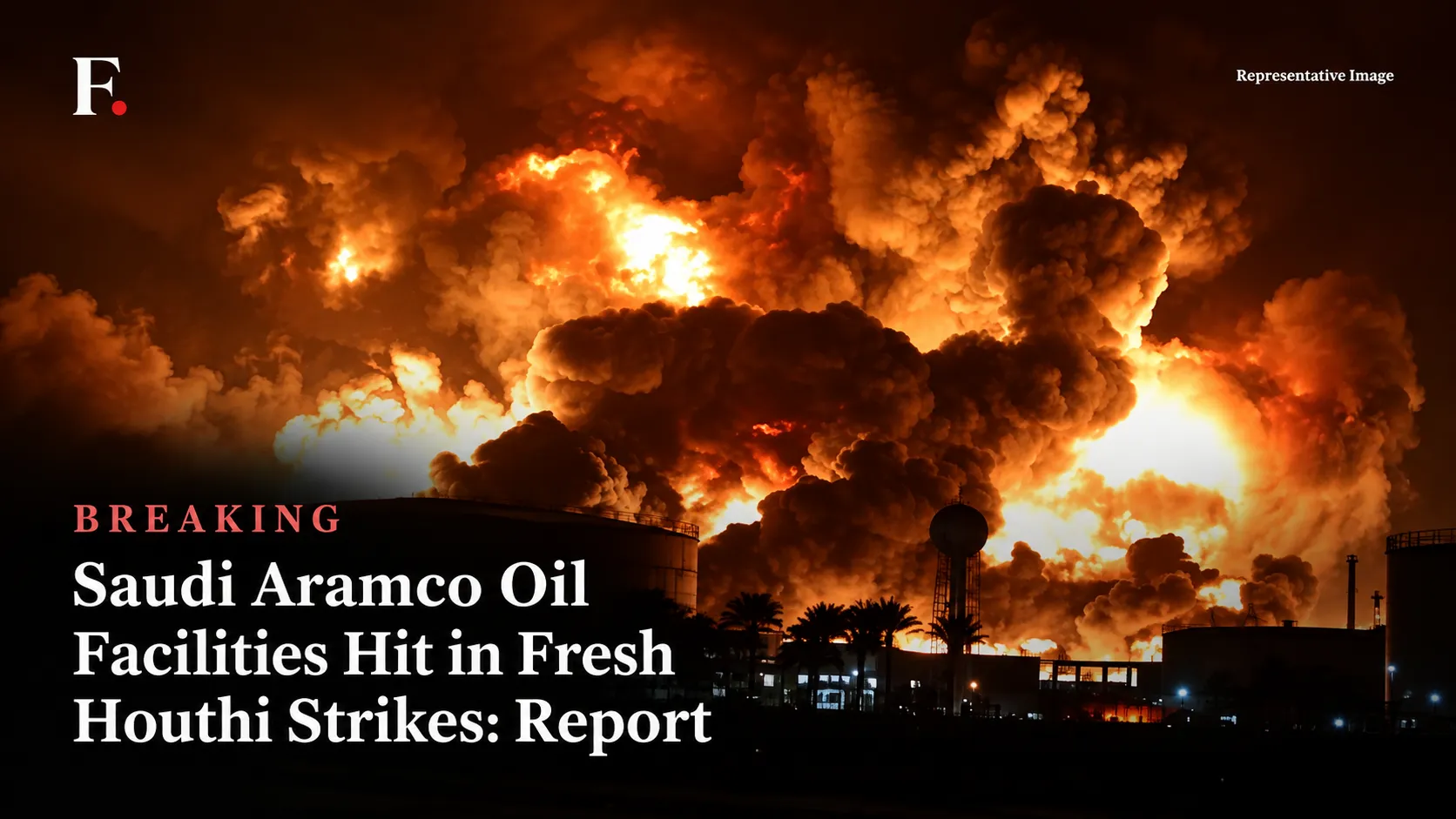
Global oil prices climbed on September 8, 2026, after reports emerged that Houthi rebels had struck a Saudi Aramco refinery, reviving longstanding concerns about supply-side vulnerability in a region that continues to anchor global energy markets despite years of diversification efforts by major oil-importing economies. The reported strike added a fresh geopolitical risk premium to crude prices at a moment when energy markets were already navigating a delicate balance between supply discipline among major producers and uneven global demand signals.
Saudi Arabia's refining and export infrastructure has periodically come under attack in recent years amid the broader regional conflict involving Houthi forces, with each incident typically triggering short-term price spikes followed by varying degrees of recovery depending on the scale of actual damage and disruption to production or export capacity. Markets have grown somewhat more accustomed to pricing in this recurring risk, but reports of direct strikes on core refining infrastructure — as opposed to shipping lanes or peripheral facilities — tend to generate a sharper immediate reaction given the more direct threat to actual production capacity.
For global economies still working to bring inflation fully back toward central bank targets, a sustained oil-price increase driven by supply disruption rather than demand strength presents a particularly unwelcome complication, since it raises headline inflation without the offsetting benefit of stronger underlying economic activity. Energy-importing economies across Asia and Europe are likely to feel the effects most acutely, while oil-exporting economies in the Gulf and elsewhere may see some offsetting benefit through higher export revenues, even as the immediate infrastructure disruption itself poses operational and security challenges.
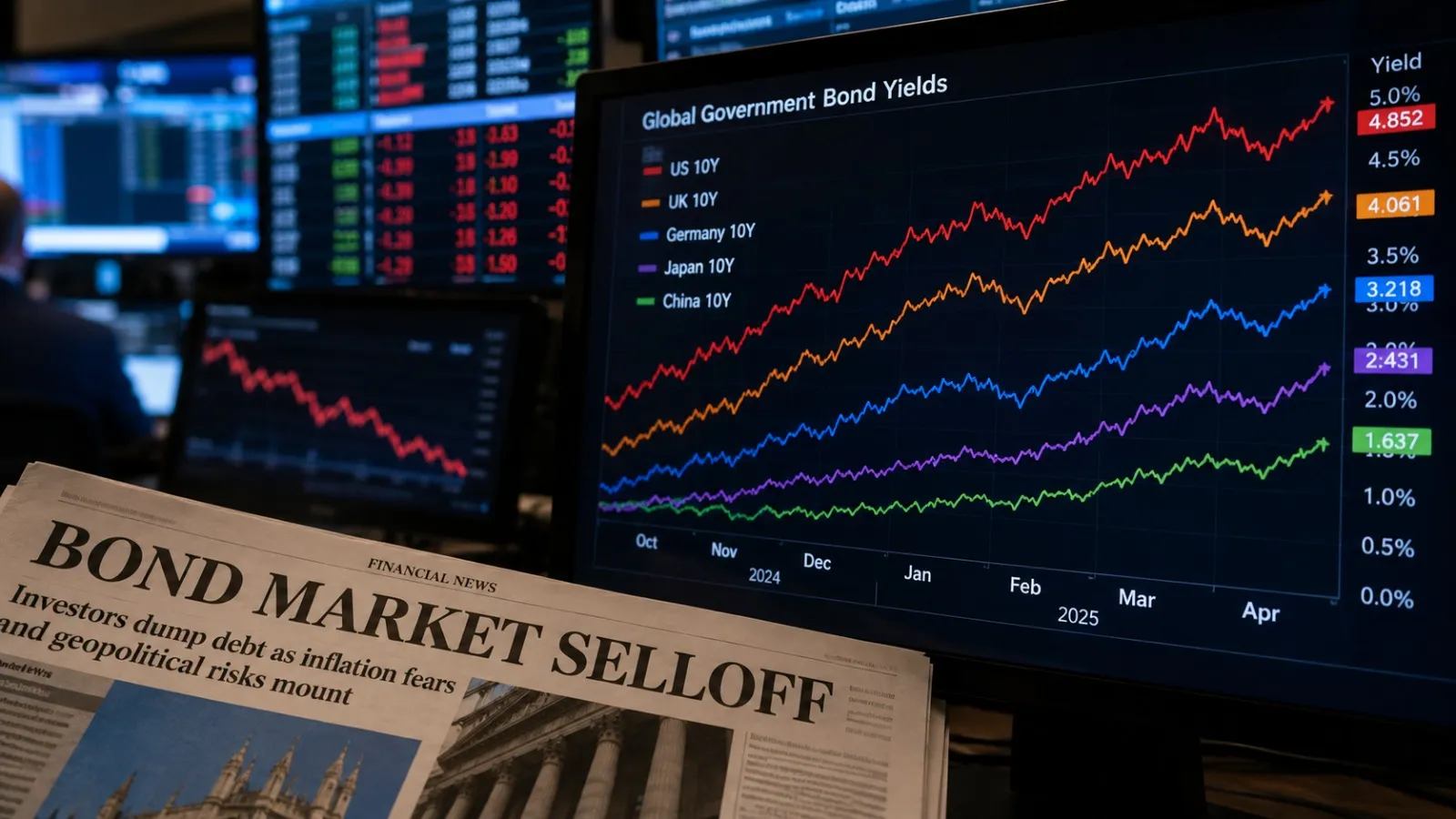
Markets will be watching closely for confirmation of the scale of damage to the affected refinery and any indication of further attacks, given how directly such incidents feed into both near-term price volatility and longer-term questions about the security of Middle Eastern energy infrastructure. Until clarity emerges, oil prices are likely to remain elevated and volatile, with knock-on effects continuing to ripple through currency, equity and bond markets globally.