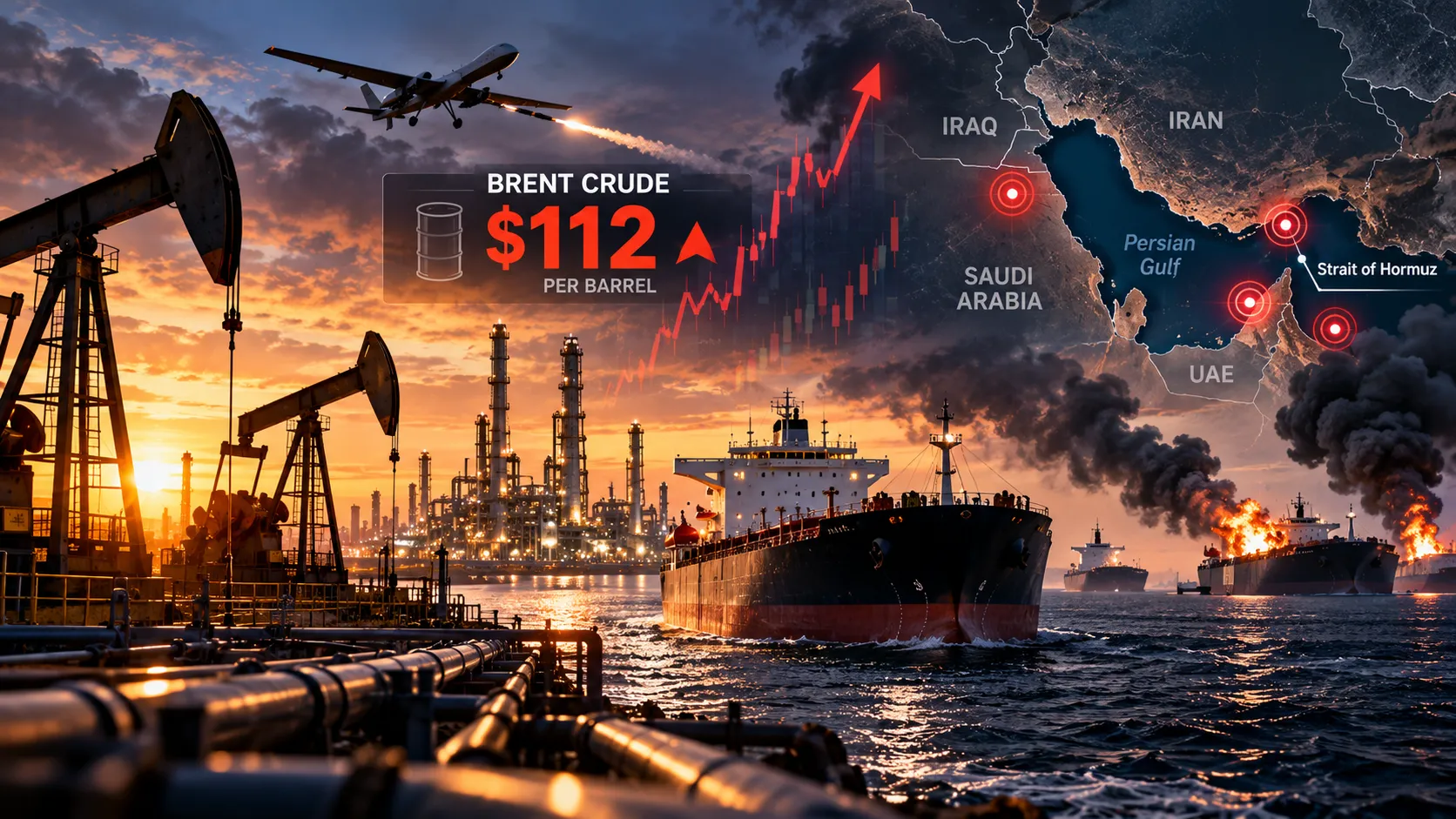
Oil prices climbed on Thursday, October 22, as attacks on Saudi Arabia and on shipping in the Gulf deepened fears that the conflict in West Asia could disrupt the world's most important energy-producing region.
Brent crude futures rose $1.29, or 1.2%, to $110.11 a barrel in early Asian trade, while US West Texas Intermediate crude gained 97 cents to $98.12, Reuters reported. Prices extended gains later in the day, with Brent trading above $112 a barrel by the Indian evening, according to Business Standard.
The move followed a series of attacks that brought the conflict closer to the heart of global oil production.
Attacks on Saudi Arabia
Houthi strikes on Wednesday killed at least one person and wounded eight at a civilian airport in Dammam, in Saudi Arabia's oil-rich Eastern Province. A drone attack on a Saudi oilfield killed two people, according to Reuters. The United States ordered some diplomats and their family members to leave its missions in the kingdom, and the State Department planned to withdraw family members from other regional missions, US officials said.
Saudi Arabia is the world's largest crude exporter, and its eastern oilfields and processing facilities are among the most critical pieces of energy infrastructure in the world. Any sustained disruption there would have a significant effect on global supply. In 2019, drone and missile attacks on the Abqaiq processing plant temporarily knocked out about half of Saudi production, sending prices sharply higher.
Iran claims strikes on tankers
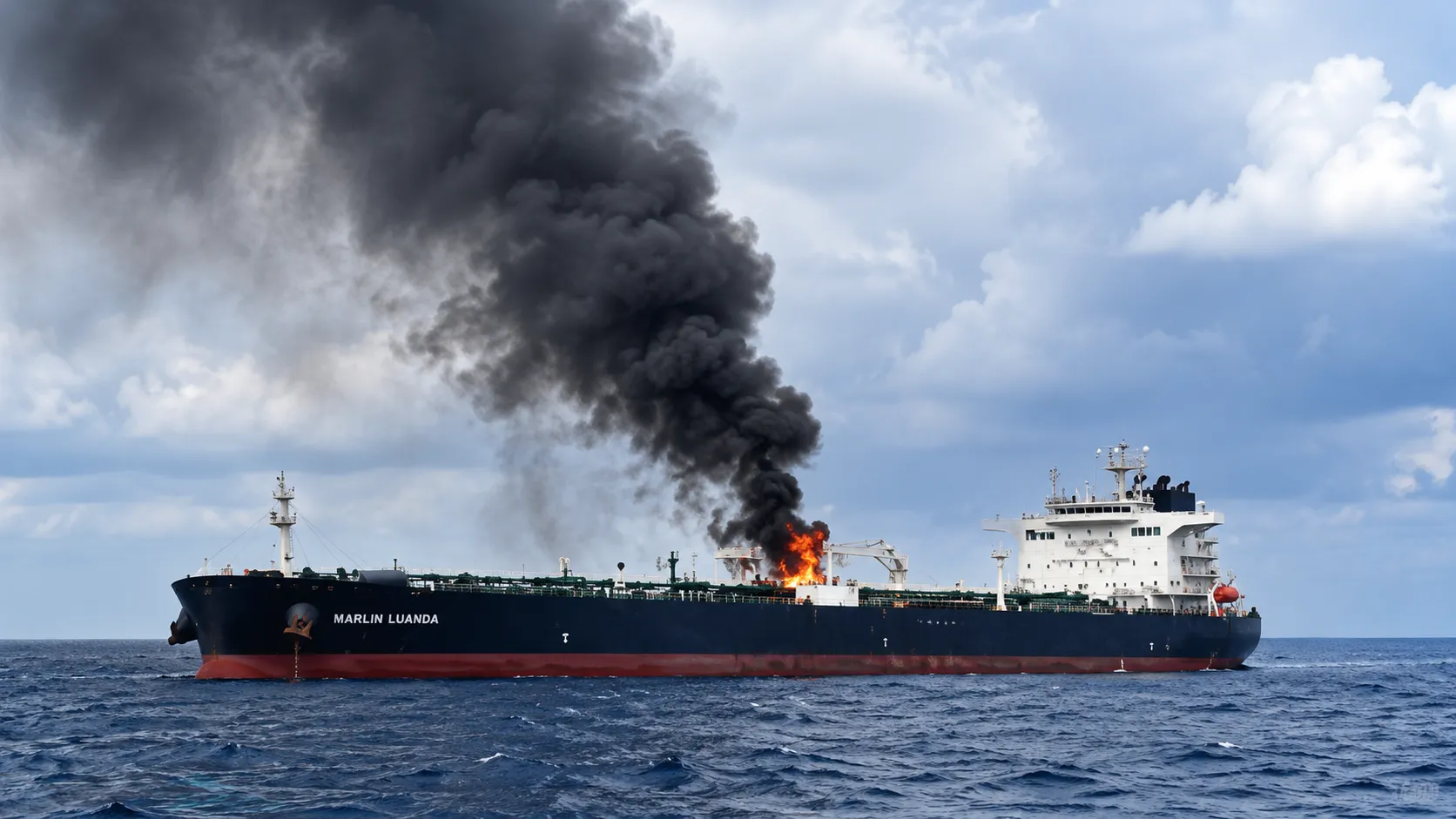
Separately, Iran's Islamic Revolutionary Guard Corps Navy claimed it had struck and set fire to four oil-carrying ships in the northern Persian Gulf that had crossed what it called an "illegal route" despite warnings, according to Iranian state media. It also said three other vessels had hit mines in the western Strait of Hormuz on Wednesday night and been stopped.
The statement did not identify the vessels, their owners or details of damage or casualties. The IRGC blamed the United States for encouraging ships to use an "illegally mined passage" and warned that the confrontation could extend "to the aggressive bases in the region."
Kpler data showed at least 18 attacks on shipping over the past two weeks, Reuters reported. LSEG analysts warned that Iran was targeting tankers beyond the Strait of Hormuz, reaching the Gulf of Oman, and jeopardising Gulf crude loadings and ship-to-ship transfers.
The Hormuz chokepoint
The Strait of Hormuz, the narrow waterway between Iran and Oman, is the world's most important oil chokepoint. A significant share of global seaborne oil and a large portion of liquefied natural gas exports pass through it, much of it bound for Asian markets, including India, China, Japan and South Korea.
Threats to shipping in the strait raise not only the risk of supply disruption but also the cost of shipping, as insurance premiums for tankers rise and some shipowners avoid the area.
Diplomatic stalemate
Diplomatic efforts appear stalled. US President Donald Trump said on Wednesday that Washington was not negotiating with Iran and that "something" would happen "fairly soon," without giving details. Iranian President Masoud Pezeshkian told parliament: "The current situation is neither good for us, nor for the region, nor for the world." He told state media that the US could not expect dialogue while blockading and threatening Iran.