Commodity markets opened the week pulling in opposite directions. Oil prices rose on Monday as the prospect of an early reopening of the Strait of Hormuz receded, while precious metals fell sharply as investors bet on further interest-rate increases from major central banks.
Brent crude gained more than 1 per cent in early Asian trade, trading around $105.6 to $106 a barrel, after President Donald Trump rejected Iran's proposal to reopen the waterway and restart peace talks. US benchmark West Texas Intermediate climbed back above $93. At the same time, gold futures fell 1.77 per cent and silver futures dropped 2.92 per cent, according to Business Standard's market coverage.
Oil: the Hormuz premium returns
The move in oil reversed part of Friday's decline. Brent had fallen $2.28, or 2.1 per cent, to settle at $104.32 a barrel on Friday, and WTI had dropped $2.20, or 2.3 per cent, to $92.41, after Iran's foreign minister said Tehran could reopen the strait within seven days if its conditions were met. For the week, Brent ended less than 1 per cent higher, while WTI posted a weekly decline of around 8 per cent, reflecting the wider gap between the international and US benchmarks during the crisis.
That optimism faded over the weekend. Trump said on Saturday that he had rejected the proposal and, on Sunday, that he expected more talks this week but that the Iranian offer was "not the deal that I want to make". Iran's Fars News Agency reported a cruise missile fired at a vessel in the strait, adding to the risk premium ahead of the open.
Oil has been trading in a wide band for much of September, spending most of the month above $100 a barrel. Prices spiked above $108 earlier in the month, then eased as tanker traffic under US naval escort increased. US officials said about 60 million barrels of oil moved through the strait over a 72-hour period last week, still well below pre-war volumes. Analysts note that thin traffic through Hormuz is keeping a persistent risk premium in prices, because any incident can quickly cut flows again.
Diesel and refined products
Refined products are an additional source of pressure. Reports that the Trump administration is weighing a limited ban on diesel exports have drawn attention across fuel markets. A curb on US diesel exports would aim to keep domestic prices in check ahead of the winter heating season and the midterm elections, but it could tighten supply in import-dependent markets in Latin America and Europe and push up global diesel prices. For countries that rely on imported diesel, including several in Asia and Africa, that would add to the inflation burden from crude.
Gold and silver: the rate story
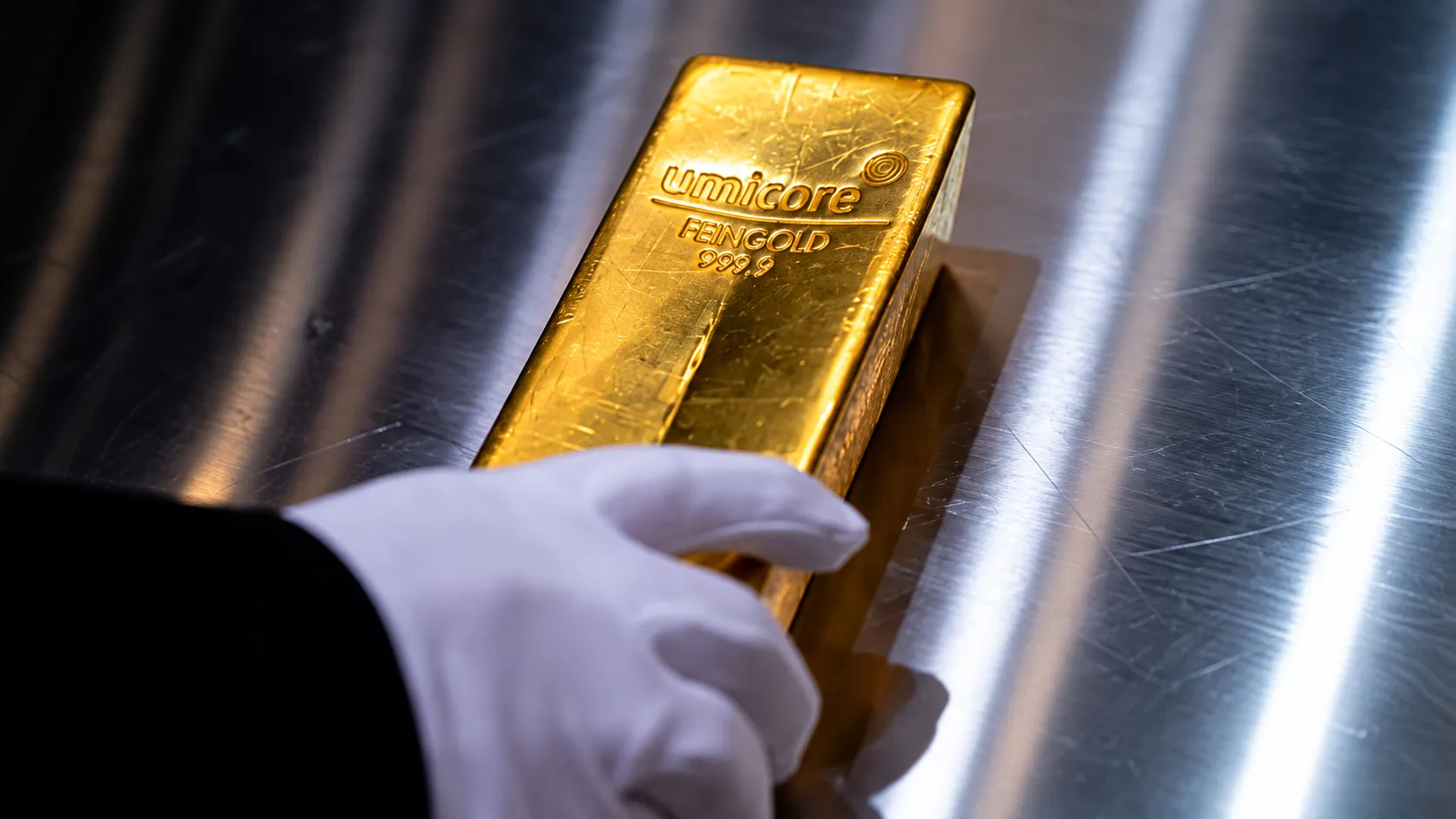
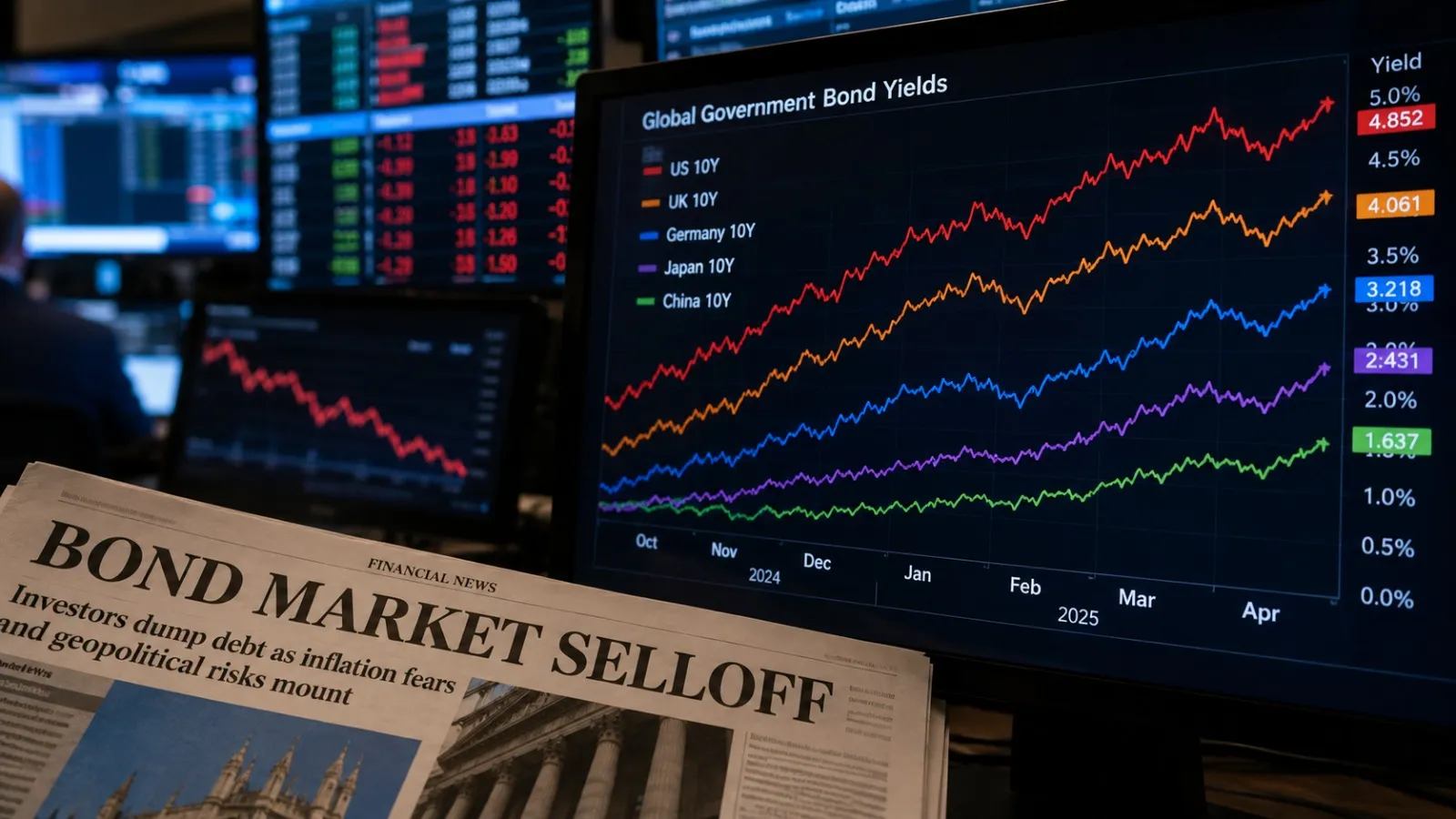
The fall in precious metals reflects a different set of forces. Gold is traditionally a haven during geopolitical crises, and it has benefited from the Middle East conflict for much of the year. But gold pays no interest, and its appeal diminishes when real interest rates rise. US 10-year Treasury yields have climbed above 5 per cent, and traders have priced in at least one more quarter-point rate increase from the Federal Reserve before the end of the year, following the central bank's first hike since 2023 earlier this month.
Cleveland Federal Reserve President Beth Hammack has pointed to resilient growth and a strong labour market as justification for further tightening. The European Central Bank and the Bank of Japan also raised rates in September, the first time all three have tightened in the same month. A Bloomberg report that the Bank of Japan could raise rates again in October added to the global tightening narrative over the weekend.
Silver, which has both monetary and industrial uses, typically moves more sharply than gold. Its 2.92 per cent fall reflects both the rate outlook and concerns about industrial demand, as data from China showed industrial profit growth slowing to 4.2 per cent in August, the weakest pace this year.
There is a counterweight. US Treasury Secretary Scott Bessent urged policymakers to keep an "open mind" on rates, arguing that productivity gains from artificial intelligence and deregulation could help contain inflation. If that view gains traction at the Fed, rate expectations could moderate, which would support gold.
The dollar is the other link between the two markets. When US yields rise and the dollar strengthens, commodities priced in dollars become more expensive for buyers holding other currencies, which usually weighs on demand for gold. Oil is currently an exception because supply fears dominate, but for metals the currency effect is visible. A reversal in the dollar, perhaps triggered by softer US data, would be one of the quickest routes to a rebound in precious metals.
What it means for India
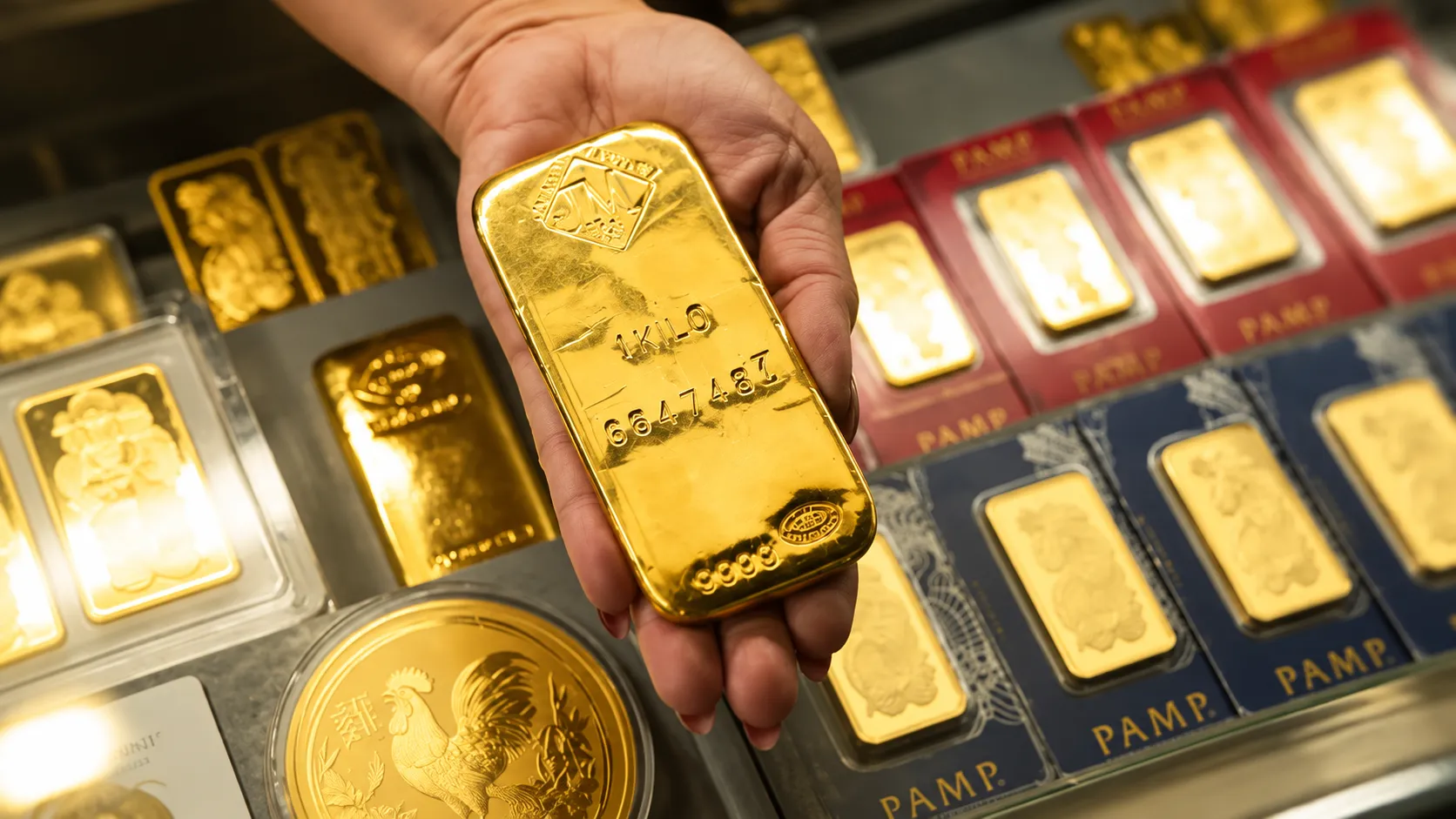
For India, both moves matter. The country is one of the world's largest importers of crude oil and of gold. Higher crude prices widen the trade deficit and put pressure on the rupee, while lower gold prices modestly offset that by reducing the value of gold imports. The festive season, including Dhanteras and Diwali, is traditionally a peak period for gold jewellery purchases, and a dip in prices could lift demand after a year in which high prices have pushed many buyers towards lighter jewellery and gold-linked financial products.
For Indian companies, the oil price is the more pressing concern. Airlines, paint manufacturers, chemicals producers, tyre makers and logistics firms all face higher input costs when crude stays above $100. Oil marketing companies, which have been managing retail fuel prices carefully, face pressure on margins. The government, meanwhile, must balance fiscal considerations against the political sensitivity of fuel prices.
The week ahead
Commodity traders will focus on three things this week. The first is the outcome of indirect US–Iran talks, which Trump said he expects to take place; any sign of progress towards reopening the strait would likely push oil back below $100. The second is US economic data, including the Federal Reserve's preferred inflation measure and the monthly jobs report, which will shape expectations for further rate increases and therefore for gold. The third is any concrete decision on US diesel exports.
For now, the pattern is clear: oil trades the headlines from Hormuz, and metals trade the headlines from the Fed. For businesses exposed to either, hedging and scenario planning remain essential in a market where a single statement from Washington or Tehran can move prices by several dollars within hours.