TechFuture Tech9 MIN READ

Ola Electric Narrows Q1 FY27 Loss 22% Even as Revenue Plunges 45%, Betting on Market Share Recovery

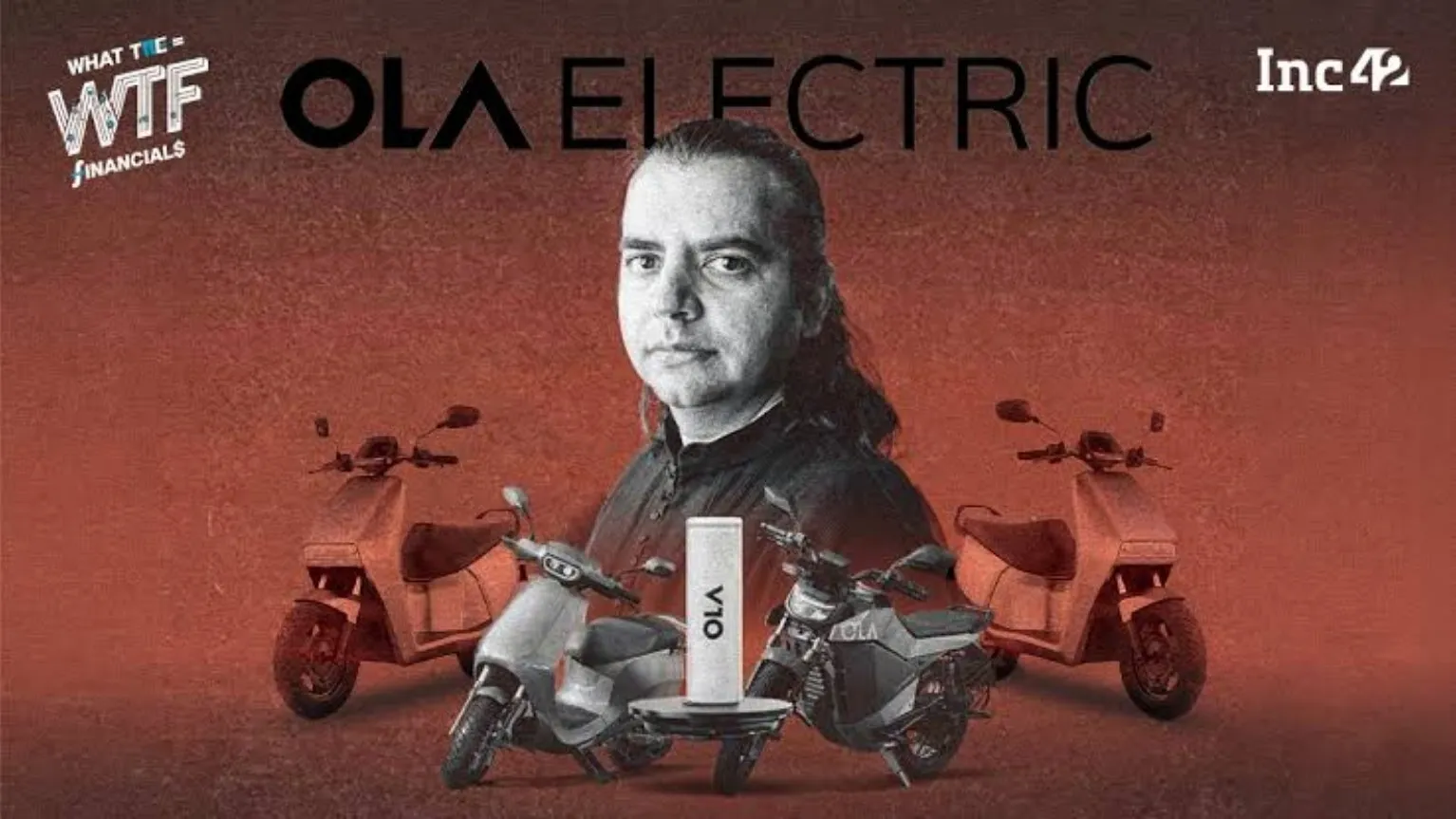
Ola Electric narrowed its Q1 FY27 net loss by 22% year-on-year to ₹336 crore even as revenue fell 45%, with the Bhavish Aggarwal-led company pointing to improving two-wheeler market share as evidence its turnaround strategy is gaining traction.

By Aravind Kumar · Author8 August 2026
Ola Electric Narrows Q1 FY27 Loss 22% Even as Revenue Plunges 45%, Betting on Market Share Recovery

Ola Electric Mobility reported its financial results for the first quarter of fiscal year 2027, revealing a narrowed net loss of ₹336 crore, down 22 per cent from ₹428 crore in the corresponding quarter a year earlier and down further still from the ₹500 crore loss reported in the preceding quarter. The improvement in loss trajectory arrived alongside a considerably less flattering top-line picture, with operating revenue falling 45 per cent year-on-year to ₹455 crore, underscoring the complex and, at times, contradictory financial narrative that has come to characterise the Bhavish Aggarwal-led electric two-wheeler maker's public market journey since its listing.

The revenue decline reflects a period during which Ola Electric's market position within India's electric two-wheeler segment came under sustained pressure from a combination of intensifying competition, well-documented product quality and after-sales service concerns that generated considerable public and regulatory scrutiny, and broader softening in electric two-wheeler demand across parts of the market as government subsidy structures evolved and price-sensitive consumers grew more discerning about total cost of ownership calculations relative to traditional petrol-powered alternatives. Against that difficult backdrop, the sequential recovery embedded within the quarter's results — revenue up 72 per cent from the ₹265 crore reported in the preceding quarter — has been highlighted by the company as evidence that its turnaround initiatives are beginning to show measurable traction.

Central to the company's turnaround narrative is its reported improvement in electric two-wheeler market share, which Ola Electric said rose to 8.4 per cent in the first quarter of FY27, up from 5.1 per cent in the fourth quarter of the preceding fiscal year. The company attributed this recovery to a 97 per cent quarter-on-quarter rise in vehicle registrations, suggesting that whatever combination of pricing adjustments, service network improvements and product refinements the company has implemented over recent quarters may be beginning to rebuild consumer confidence following a period during which the company's market position had eroded considerably from the commanding share it held in the early stages of India's electric two-wheeler adoption curve.

That earlier market dominance, built substantially through Ola Electric's aggressive direct-to-consumer sales model and heavy marketing investment in the initial years following its scooter launch, had made the company synonymous with India's electric two-wheeler category for a period, before a combination of factors — including widely reported service quality complaints, questions around the durability and reliability of its vehicles under real-world usage conditions, and the entry of increasingly credible competition from established two-wheeler manufacturers including Bajaj Auto, TVS Motor and Hero MotoCorp's Vida brand — eroded that early advantage considerably. The company's stock price has reflected these challenges, trading well below its initial public offering valuation for extended periods as investors reassessed the durability of its early growth narrative against the operational realities that emerged as the company scaled.

The company's cost structure and cash burn trajectory remain closely watched metrics for investors and analysts assessing its path toward sustainable profitability. While the narrowing net loss represents directional progress, the magnitude of the revenue decline underscores that Ola Electric's underlying business remains considerably smaller in absolute terms than it was during its peak growth phase, raising questions about the fixed cost base the company built during its expansion years and how efficiently that infrastructure can be right-sized or leveraged as volumes recover. Management commentary accompanying the results has typically emphasised continued investment in manufacturing efficiency, battery technology development through the company's in-house cell manufacturing ambitions, and service network expansion aimed at addressing the after-sales concerns that contributed to the company's earlier market share erosion.

Ola Electric's battery cell manufacturing ambitions represent a particularly significant, capital-intensive strategic bet that distinguishes its positioning from most competitors within India's electric two-wheeler segment, most of whom continue to rely on externally sourced battery cells rather than pursuing vertical integration into cell manufacturing itself. The company has framed this vertical integration strategy as a long-term source of cost advantage and supply chain security, positioning that has drawn both interest and scepticism from analysts, given the substantial capital investment, technical complexity an
1000311414.jpg

d execution risk associated with battery cell manufacturing at scale, a category in which even well-resourced global automotive and battery manufacturers have periodically encountered significant technical and commercial challenges.

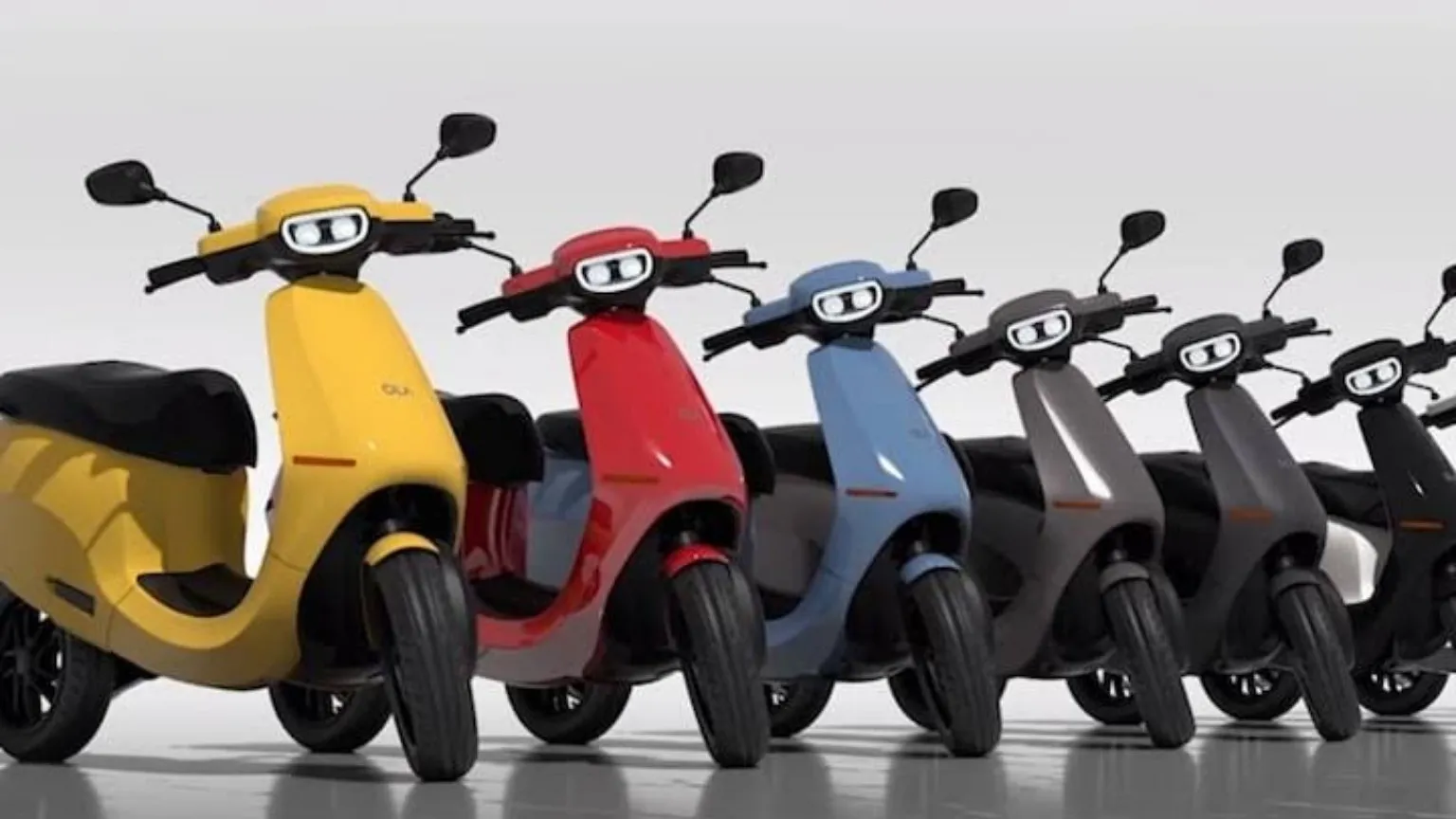
The broader competitive landscape within which Ola Electric operates has grown considerably more contested since the company's early market-leading years. Bajaj Auto and TVS Motor, both established two-wheeler manufacturers with decades of engineering credibility and extensive dealer networks, have built increasingly competitive electric scooter portfolios that have captured meaningful market share, benefiting from consumer trust built over years of reliable internal combustion product experience that newer entrants such as Ola Electric have had to build from a considerably more limited track record. Ather Energy, another prominent electric two-wheeler specialist, has pursued a somewhat different positioning strategy emphasising premium product experience and has likewise built a loyal, if smaller, customer base within the category.

Regulatory and policy developments have also continued to shape the operating environment for electric two-wheeler manufacturers more broadly, with the evolution of central and state government subsidy schemes under various iterations of India's Faster Adoption and Manufacturing of Electric Vehicles programme and its state-level equivalents periodically altering the effective price gap between electric and petrol-powered two-wheelers that has historically been a key driver of consumer purchase decisions in this highly price-sensitive market segment. Changes to subsidy eligibility criteria, disbursement timelines and overall scheme funding have each, at various points, meaningfully affected electric two-wheeler sales volumes across the industry, adding a layer of policy-driven volatility to demand forecasting that manufacturers including Ola Electric must continually navigate.

The company's after-sales service network expansion has emerged as a particularly closely watched turnaround indicator, given that service quality concerns featured prominently among the factors that eroded consumer confidence during Ola Electric's earlier market share decline. Building a service network capable of matching the geographic reach and response speed that traditional two-wheeler manufacturers have developed over decades requires substantial ongoing investment in trained technicians, spare parts logistics and service centre infrastructure, a build-out that competes for capital alongside the company's other strategic priorities including its battery manufacturing ambitions and continued product development. Management commentary has repeatedly emphasised service network investment as a near-term priority, reflecting recognition that sustained market share recovery will likely depend as much on rebuilding customer trust around post-purchase ownership experience as on the underlying product specifications themselves.
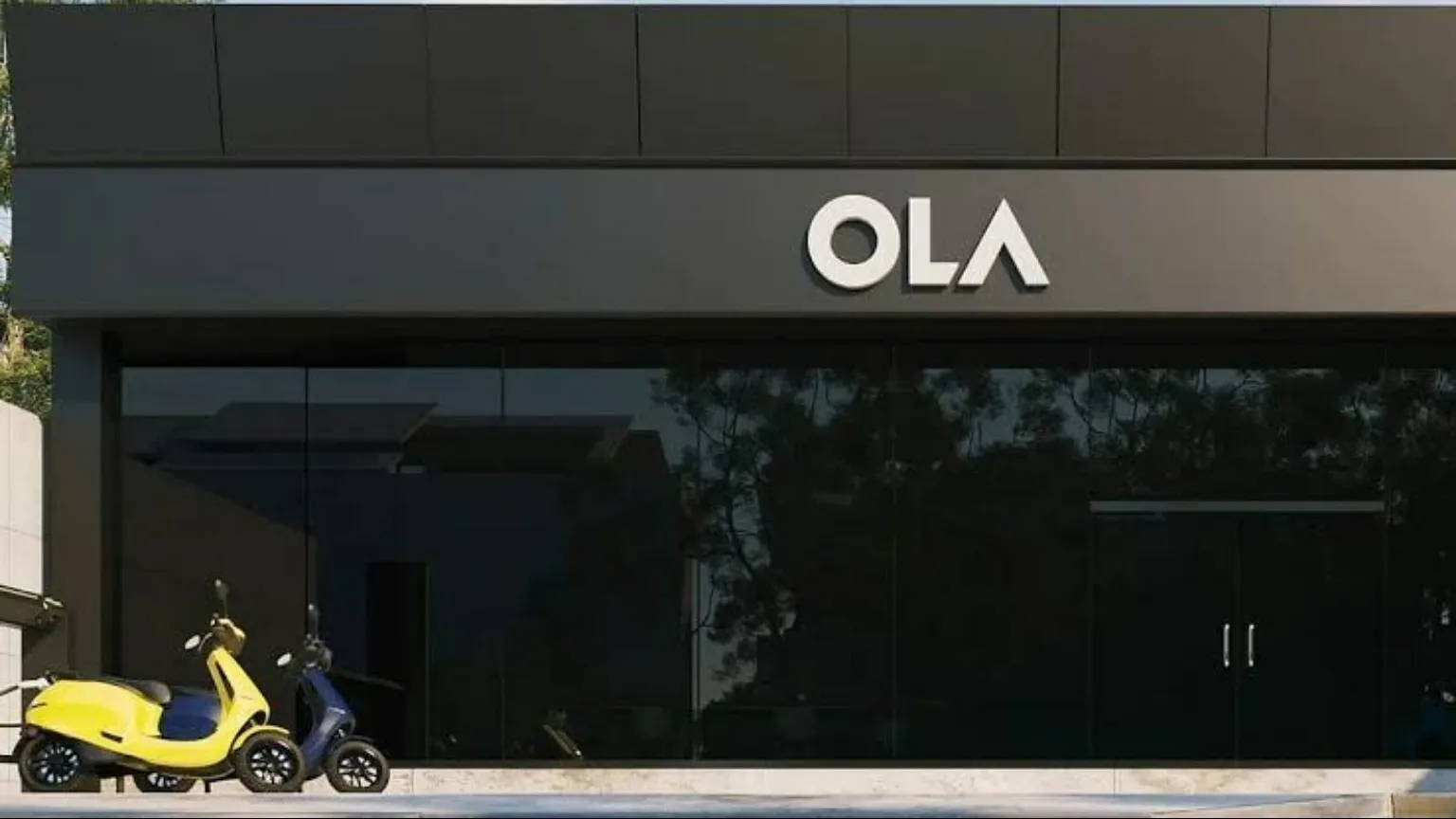

A narrowing loss alongside plunging revenue is an unusual combination to read as good news — but for Ola Electric, market share recovery from a painful low point may matter more to investors right now than the top line.
TIGI Editorial Desk

Analyst reaction to the quarter's results has been notably mixed, with some viewing the sequential revenue recovery and market share improvement as tentative evidence that the company's worst period may be behind it, while others have cautioned that a single quarter of improvement, following an extended period of sharp decline, does not yet constitute conclusive evidence of a durable turnaround. This analytical divide reflects a broader pattern common to companies navigating public turnaround narratives, where investors must weigh genuine operational improvement signals against the risk that reported metrics reflect temporary stabilisation rather than a fundamental resolution of the underlying challenges that drove the earlier decline, a distinction that typically only becomes clear across several subsequent quarters of consistent performance rather than any single reporting period.

For investors and industry observers tracking Ola Electric's turnaround trajectory, the coming quarters will likely prove more informative than any single quarterly result in isolation, given the company's stated emphasis on sequential improvement trends over year-on-year comparisons that continue to reflect the base effect of its earlier, considerably larger revenue scale. Whether the reported market share recovery proves durable, whether the company can translate improving unit volumes into a credible path toward operating breakeven, and whether its battery cell manufacturing investments ultimately deliver the cost and supply chain advantages the company has articulated will collectively determine whether this quarter's results mark a genuine inflection point in Ola Electric's business trajectory or merely a temporary stabilisation within a longer period of continued challenge for what remains one of the most closely watched, and most debated, companies within India's broader electric vehicle transition story.

Capital allocation discipline has also become a more prominent theme in how the company communicates its strategy to investors, marking a notable shift from the growth-at-all-costs messaging that characterised its earlier public market positioning. Recent management commentary has placed greater emphasis on cash conservation, working capital efficiency and a more measured approach to new product category expansion, reflecting broader lessons the company appears to have absorbed from its difficult recent history and from the wider recalibration that has swept across India's electric vehicle and broader startup ecosystem as investor tolerance for sustained cash burn without a clear profitability pathway has diminished considerably since the more exuberant funding conditions of earlier years.

1000311415.jpg

Manufacturing scale economics also remain central to the company's path toward eventual profitability, given that electric vehicle manufacturing, like most automotive production, benefits considerably from volume-driven cost reductions across component sourcing, factory utilisation and overhead absorption. The sharp volume decline the company experienced during its market share erosion period would have worked directly against these scale economics, likely contributing meaningfully to margin pressure independent of any pricing or product-level factors, making the reported sequential volume recovery this quarter potentially significant not only for its direct revenue contribution but also for its knock-on effect on manufacturing cost efficiency as production volumes move back toward levels better matched to the company's built-out manufacturing capacity.

Competitor responses to Ola Electric's reported market share recovery will also merit close attention in coming quarters, given that rival manufacturers who benefited from Ola Electric's earlier struggles are unlikely to cede back market share without contesting the ground through their own pricing, product and marketing responses. The electric two-wheeler category's continued overall growth, even amid the volatility any individual manufacturer has experienced, means that the coming period is likely to feature intensifying competitive dynamics across the full field of established and emerging players, each seeking to consolidate or expand their position within what remains a still-nascent but structurally significant growth category within India's broader automotive market.

International expansion has also periodically featured in Ola Electric's longer-term strategic commentary, with the company having previously signalled ambitions to extend its electric two-wheeler platform into select overseas markets, leveraging manufacturing capacity built within India to serve export demand across regions where two-wheelers remain the dominant mode of personal transport. Whether the company chooses to prioritise export market development during its current turnaround phase, or instead concentrates resources more narrowly on stabilising and rebuilding its core domestic business before pursuing international expansion, will likely factor into how analysts assess the balance between growth ambition and operational discipline in the company's strategy over the coming several quarters, particularly given the additional capital and management attention that meaningful international expansion would typically require.

Consumer sentiment research conducted periodically by industry bodies and independent research firms tracking India's electric vehicle market has generally shown that brand trust and perceived reliability remain among the most decisive factors shaping electric two-wheeler purchase decisions, often weighing as heavily in buyer decision-making as headline specifications such as range and price. Rebuilding this trust dimension, following the well-documented service and reliability concerns that affected Ola Electric's brand perception during its earlier difficult period, represents an intangible but critically important parallel workstream running alongside the company's more visible financial turnaround, one that management commentary suggests the company recognises as foundational to translating the current quarter's reported market share gains into a durable, multi-year recovery rather than a temporary rebound.

The stock market's reaction to the results has itself become a data point closely tracked by industry observers, given Ola Electric's status as one of the most actively traded and widely held new-economy listings on Indian exchanges since its public debut. Retail investor sentiment toward the stock has fluctuated considerably in line with the company's operational news flow, reflecting the broader pattern visible across newly listed technology and consumer companies in India, where a large base of retail shareholders, drawn in part by the company's high public profile and founder recognition, has made the stock's price action a closely watched barometer for broader sentiment toward India's electric vehicle sector and new-economy listings more generally.

TagsOla ElectricQ1 FY27 ResultsElectric Two-WheelerBhavish AggarwalEV Market ShareIndia EV Industry

Reader reviews

Sign in to rate and review this article.
Loading reviews…

