OpenAI has ruled out pursuing an initial public offering this year, a decision that arrives alongside a notable joint intervention from some of the artificial intelligence industry's most prominent figures — OpenAI's Sam Altman, Tesla and xAI's Elon Musk, and Anthropic's Dario Amodei — who have each separately cautioned in recent days that the pace of AI capability development is moving faster than the industry's collective ability to manage the risks it introduces. The convergence of these warnings from leaders who otherwise compete intensely against one another for talent, capital and market position has drawn significant attention across financial markets and policy circles, given how rarely competitors in the AI race publicly align on cautionary messaging rather than promotional claims about their own technology.
The decision to forgo a near-term public listing comes at a moment when OpenAI has been the subject of persistent market speculation about an eventual IPO, given the scale of capital the company has raised in private markets and the broader wave of AI-related public offerings and mega-financings that have characterised technology markets through 2026. By explicitly ruling out a listing this year, OpenAI removes near-term public market scrutiny from its financial disclosures and governance structure at a time when questions about AI safety, model capability disclosure and industry self-regulation have become increasingly prominent in both regulatory and investor conversations.
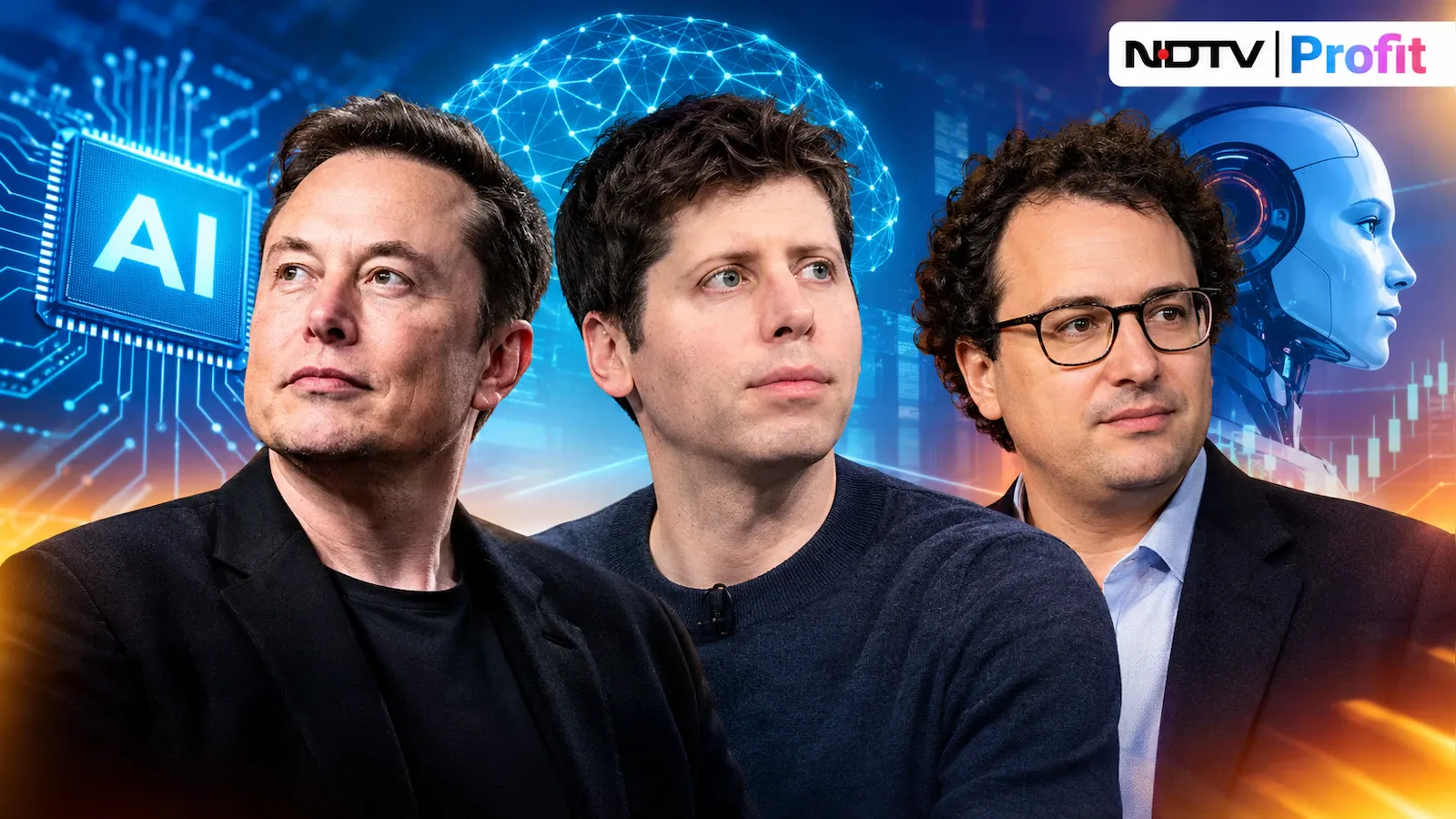
The warnings from Altman, Musk and Amodei follow a period of extraordinary capital deployment across the AI infrastructure landscape, with hyperscale cloud providers committing tens of billions of dollars to data centre buildouts and chip procurement in anticipation of continued exponential growth in AI compute demand. Against this backdrop, the joint cautionary messaging from industry leaders has been interpreted by some market observers as an attempt to encourage more coordinated industry and regulatory guardrails before capability advances outpace the safety research, evaluation frameworks and policy infrastructure needed to manage increasingly powerful AI systems responsibly.
Markets reacted to the developments with Asian equities and US stock futures retreating, as investors weighed the implications of AI industry leaders themselves flagging development risks for a sector that has powered a significant share of the broader equity market rally through 2026. The Nasdaq 100 futures declined more than 1% and the S&P 500 fell 0.6% in the wake of the commentary, with oil prices advancing separately amid unrelated geopolitical pressures. For OpenAI specifically, the decision to delay any public listing plans gives the company additional time to navigate the safety, governance and disclosure questions raised by its own leadership before subjecting itself to the reporting obligations and public market scrutiny that an IPO would entail.


