Paramount has completed its $110 billion acquisition of Warner Bros. Discovery, creating a combined entertainment company named Skydance that brings together two of Hollywood's oldest studios, a large portfolio of television networks and two major streaming services under the control of David Ellison.
The deal closed on 6 October, about eight months after Paramount announced the acquisition in February following a bidding contest with Netflix. Shares in the new company began trading on the New York Stock Exchange under the ticker SKYD.
"Today is a historic day," said Ellison, who leads the combined group. "Our focus now turns to the future: building a company that empowers creatives, entertains audiences and rewards shareholders."
What the combined company owns
Skydance will generate nearly $70 billion in annual revenue, placing it among the largest media companies in the world. Its portfolio spans film studios, broadcast and cable television, news and streaming.
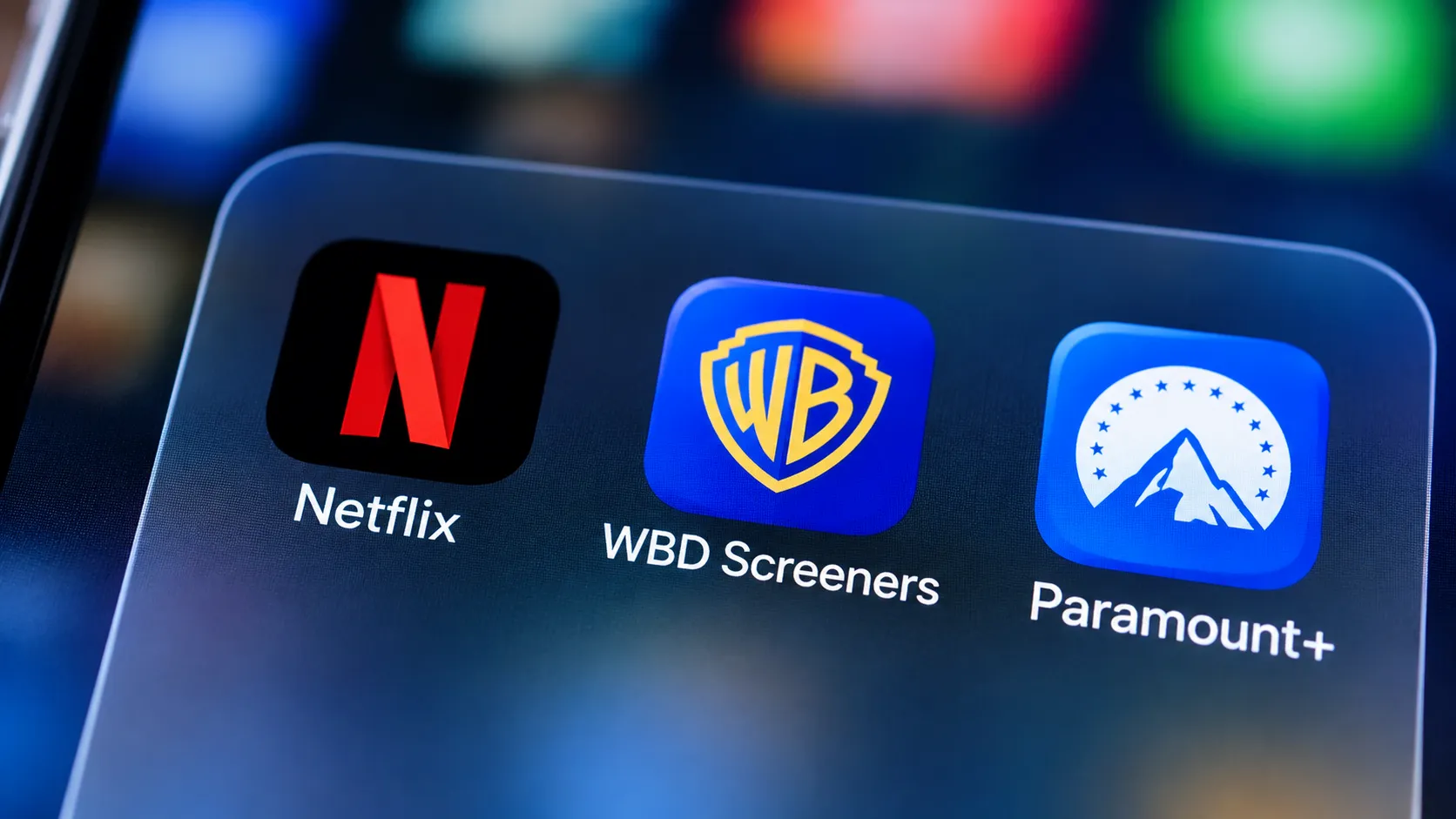
On the streaming side, it controls both Paramount+ and HBO Max, two services that have each struggled to match the scale of Netflix on their own but that together offer one of the deepest libraries in the industry. On television, the company owns CBS, CNN, MTV, TBS, Comedy Central and Food Network, among other channels.
Its franchise portfolio is equally broad, including the DC Universe, Game of Thrones, The Lord of the Rings film series and Yellowstone. In an industry increasingly organised around a small number of globally recognised intellectual properties, that collection gives the combined company material for films, series, games and merchandise for years to come.
The Ellison family is the largest shareholder, with backing from Larry Ellison, co-founder of Oracle and father of David Ellison. The family's financial resources were central to Paramount's ability to outbid rivals and to finance a transaction of this size.
Two mergers in two years
The deal caps a remarkably rapid consolidation. In 2025, David Ellison merged his production company, Skydance Media, with Paramount, ending decades of control by the Redstone family. Barely a year later, the enlarged Paramount has absorbed Warner Bros. Discovery, itself the product of the 2022 combination of WarnerMedia and Discovery.
Completing the transaction required settlements with a coalition of US states and an agreement with the Hollywood writers' union, reflecting concerns about competition, employment and the concentration of creative output in fewer hands. Those agreements are likely to shape how the company manages integration over the coming years.
The rationale for consolidation in traditional media has grown stronger as audiences have shifted from cable television to streaming and as technology companies with far deeper pockets have become major content buyers. Scale allows a studio to spread the rising cost of premium content across more subscribers and advertisers, and to negotiate from a stronger position with distributors and talent.
The combination is also a bet on technology. Studios are investing heavily in digital production, data-driven marketing and streaming platforms that can personalise recommendations and serve targeted advertising, and scale makes those investments easier to justify. Running two large streaming services on shared infrastructure, with a common advertising sales operation, is one of the clearest sources of potential savings for the merged group.
Advertising matters more than it once did. Both Paramount+ and HBO Max have introduced cheaper, ad-supported tiers, and live sports and news give the combined company inventory that advertisers value highly. A larger audience across CBS, the cable networks and two streaming services could strengthen its hand in negotiations with advertisers who are shifting budgets from linear television to streaming.
The move also comes as the economics of film distribution continue to shift. Theatrical box office has recovered only partially from the pandemic, windows between cinema release and streaming have shortened, and studios have become more selective about the films they release theatrically. Owning two major studios gives Skydance more flexibility to manage release calendars and reduce internal competition between big-budget titles.
Netflix's interest in Warner Bros. Discovery earlier this year underlined how valuable the assets were considered, and how few buyers could afford them. Paramount's success in that contest gave Ellison control of a business that would have looked unthinkable for Skydance Media only a few years ago.
The challenges ahead
Large media mergers have a mixed track record. Integrating corporate cultures, technology platforms and creative teams is difficult, and the cost savings promised to investors often require job cuts that can damage morale. The combination of WarnerMedia and Discovery itself was followed by years of restructuring, write-downs and asset sales.
Skydance will also carry substantial debt, inherited from both sides of the deal and from the financing of the acquisition. Servicing that debt while investing in content and technology will be the central financial challenge for management, particularly as the cable television business, still a large source of cash, continues to decline.
A key decision will be what to do with the two streaming services. Combining Paramount+ and HBO Max into a single product could reduce costs and create a more compelling offering, but it risks alienating subscribers attached to each brand. Bundling, tiered pricing and international expansion are all likely to feature in the company's strategy.
The future of CNN, now under the same ownership as CBS News, will draw close attention from politicians, journalists and audiences. News divisions are relatively small contributors to revenue but carry outsized political and reputational weight, and any changes to editorial direction or staffing will attract scrutiny.
For the broader industry, the creation of Skydance sharpens the divide between a handful of scaled players, including Disney, Netflix, Amazon and now Skydance, and smaller companies that may face pressure to sell or merge. For creators, distributors and advertisers, it means one more very large counterparty with considerable bargaining power over what gets made and how it reaches audiences.
Investors will now look for the first detailed integration plan, including targets for cost savings, the timeline for any combination of streaming services and the company's approach to reducing leverage. Those disclosures will determine whether the market treats Skydance as a turnaround story with valuable assets or as a heavily indebted bet on the future of traditional media.
For audiences in India and other international markets, the most visible effects may come through content licensing and streaming partnerships, where a combined library gives the new company greater leverage in negotiations with local platforms and telecom operators.