PhonePe, India's largest digital payments platform by transaction volume, is preparing one of the biggest on-the-ground expansions in the country's fintech history.
The Walmart-backed company said on Thursday, September 24, that it plans to engage more than 20,000 frontline staff and deploy more than 5 million payment devices across India over the next 12 months. About half of those devices are intended for rural India, with a particular focus on villages and what the company describes as Tier 6 regions, according to StartupTalky.
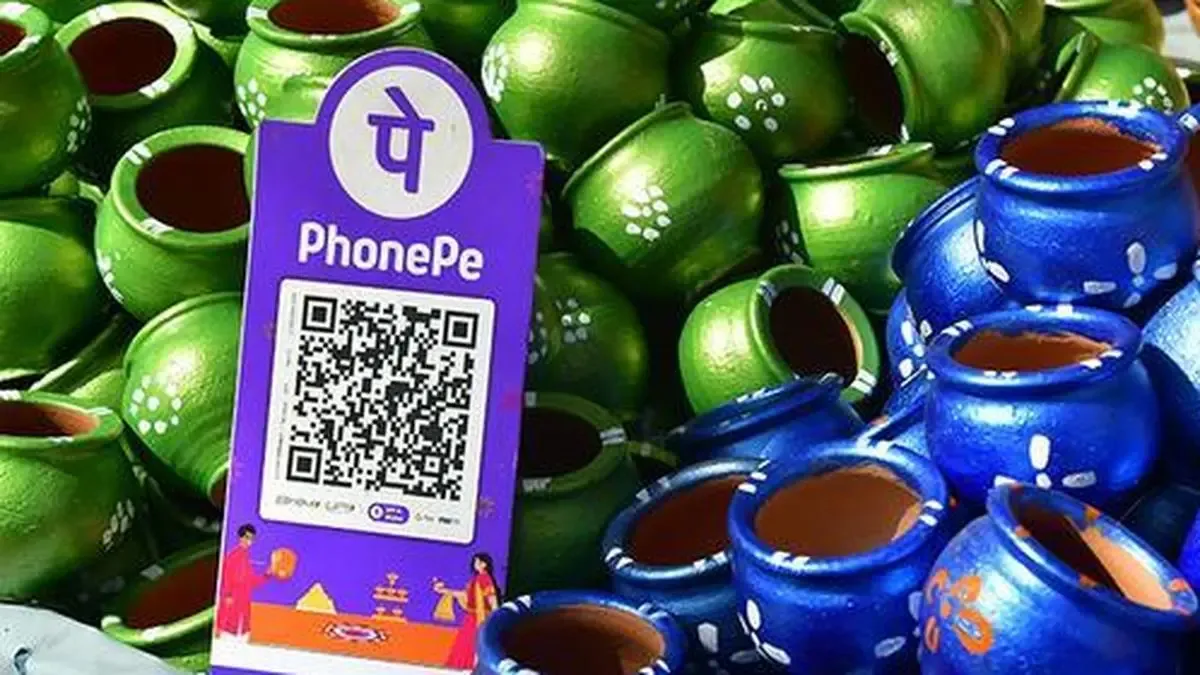
The devices will include smart speakers, which announce each payment aloud when a customer pays by UPI, as well as point-of-sale machines that can accept card payments.
The scale of the plan is significant. Five million devices would represent a substantial addition to the country's merchant payment infrastructure, and 20,000 frontline staff would give PhonePe one of the largest field forces of any Indian fintech company.
Why rural India, and why now
PhonePe's expansion comes as digital payments in India's largest cities approach saturation. In metros and large towns, most merchants already accept UPI, and competition for their business is intense. The next wave of growth lies in smaller towns and villages, where many shopkeepers still rely mainly on cash.
These merchants face practical barriers. Many are not comfortable checking their phones after every transaction, which is why smart speakers — which confirm each payment with an audible announcement — have become one of the most important tools for building trust in digital payments among small shopkeepers.
Physical presence also matters. In rural markets, adoption often depends on a representative visiting the shop, installing a device, explaining how it works and returning to resolve problems. That is labour-intensive work, and it explains why PhonePe is pairing its device rollout with a large frontline workforce.
A changing economic model
PhonePe linked the expansion to several changes in the business and regulatory environment.
The company cited a new merchant discount rate (MDR) framework, which it said allows it to take a longer-term view of investment. MDR is the fee merchants pay to accept digital payments. For years, UPI transactions for most merchants have carried no MDR, which made it difficult for payment companies to earn money from the very transactions they processed. Any framework that allows payment providers to earn revenue from certain categories of transactions changes the economics of investing in merchant acquisition.
PhonePe also said it would allocate 5% of MDR revenue to a dedicated fund for expanding its small-merchant network. In effect, part of the new revenue stream will be recycled into bringing more small businesses into the digital payments system.
The company also pointed to simpler compliance under India's updated labour regulations, which it said made it easier to scale its frontline workforce.
Financial inclusion as strategy
PhonePe framed the initiative as a way to help small merchants enter the formal financial system, expand payment acceptance in underserved regions and allow small businesses to participate more fully in India's digital economy.
There is a strong commercial logic behind that mission. Once a merchant accepts digital payments, a record of their sales builds up over time. That transaction history can support access to credit, insurance and other financial products that have historically been difficult for small businesses to obtain. For platforms such as PhonePe, which has expanded into lending, insurance distribution and wealth products, a larger merchant base creates more opportunities to offer these services.
The competitive landscape
The announcement came on the same day that Pine Labs said it would deploy 10 lakh soundboxes across India, underlining how the fight for India's small merchants is intensifying.
PhonePe already leads the UPI market. It processed more than 11 billion UPI transactions in August 2026, extending its lead over Google Pay, which was nearing 8 billion. Paytm, which pioneered the soundbox category, remains a major competitor in merchant payments, while banks, BharatPe and other fintech firms are also chasing the same shopkeepers.
India's regulators have long been concerned about concentration in UPI, with PhonePe and Google Pay together handling the large majority of transactions. A push by PhonePe into rural merchants could deepen its lead, even as smaller players compete for share.
International ambitions
The domestic expansion comes days after PhonePe secured its first regulatory approval outside India. On September 22, the company received in-principle approval from the Central Bank of the UAE for two licences, covering retail payment services and card schemes and stored value facilities. Final approval is still needed before commercial operations can begin.
Together, the two moves show a company expanding in two directions at once: deeper into the Indian heartland, and outward into markets with large Indian diaspora communities.
The challenges ahead
Executing an expansion of this size will not be simple. Managing a field force of more than 20,000 people across rural India requires strong training, supervision and incentive design. Device deployment also requires reliable connectivity, which can still be patchy in remote areas, and ongoing support to keep devices working.
There is also the question of return on investment. Rural merchants typically handle smaller transaction values, which means lower revenue per device. PhonePe is betting that the combination of MDR income, cross-selling of financial services and long-term customer relationships will justify the cost.
What it means for India's digital economy
If PhonePe delivers on its plan, the impact could be substantial. Millions of small shopkeepers in villages and small towns could gain the tools to accept digital payments, build a financial record and access formal credit. For customers, it would mean being able to pay digitally in more places, reducing dependence on cash.
For India's broader digital payments story, the expansion signals a shift in focus. The first phase of UPI's growth was driven by smartphone adoption in cities. The next phase will depend on reaching the merchants and consumers who have so far been left behind.
PhonePe's announcement is a clear sign that India's largest payments platform believes that phase has begun — and that it intends to lead it. The next 12 months will show how quickly a speaker on a village shop counter can change the way a community pays.