FundingMarket Data Women5 MIN READ

Pidilite's Revenue Grows 21% to ₹4,298 Crore, but Rising Costs Hold Profit Growth to 7% for the Fevicol Maker

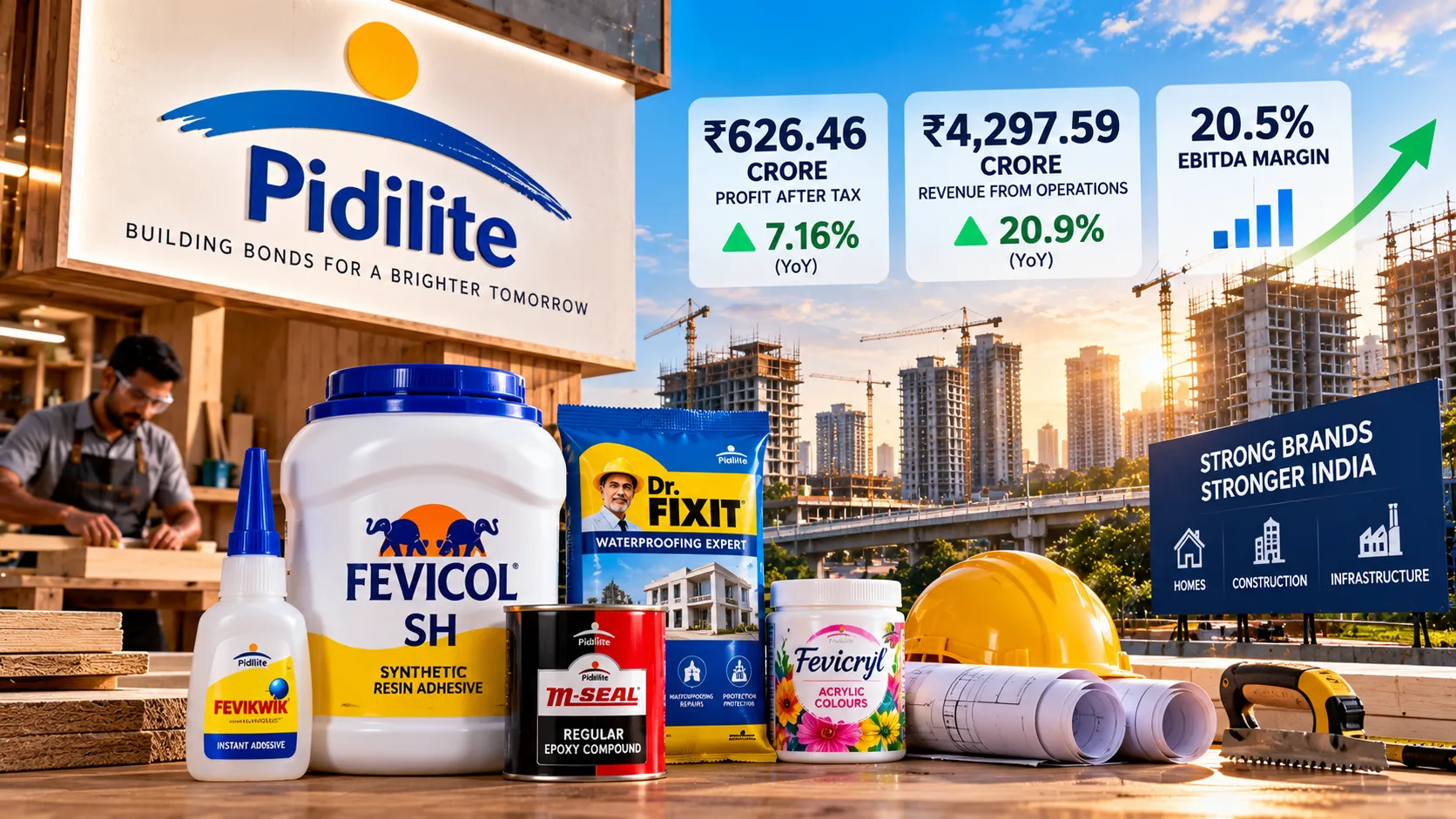
Pidilite Industries reported consolidated net profit of ₹626.46 crore for the September quarter, up 7.16%, as revenue rose 20.9% to ₹4,297.59 crore. Total expenses jumped 29% to ₹3,632.87 crore, and EBITDA grew just 3.1% with a 20.5% margin, as higher input costs linked to crude oil squeezed the adhesives and construction chemicals maker.

By Shaym Kumar · Author29 October 2026New
Pidilite's Revenue Grows 21% to ₹4,298 Crore, but Rising Costs Hold Profit Growth to 7% for the Fevicol Maker

Pidilite Industries, the maker of Fevicol and some of India's most recognisable household and construction brands, has reported strong sales growth, but rising costs have eroded much of the benefit.

The Mumbai-based company reported consolidated net profit of ₹626.46 crore for the July-September quarter, up 7.16% from ₹584.6 crore a year earlier, according to Upstox on Thursday, October 29. Revenue rose 20.9% to ₹4,297.59 crore from ₹3,554.44 crore.

Costs outpace revenue

Total expenses rose 29% to ₹3,632.87 crore, faster than revenue growth. As a result, EBITDA grew only 3.1%, and the EBITDA margin was 20.5%.

The gap between revenue and profit growth points to significant pressure on input costs. Pidilite's key raw materials, including vinyl acetate monomer used in adhesives, are derived from petrochemicals, so their prices tend to rise with crude oil. Brent crude has traded above $100 a barrel for much of the autumn amid conflict in the Middle East, pushing up costs for chemical manufacturers.

A weaker rupee, which has fallen to about 95 per dollar, also raises the cost of imported raw materials.

Strong demand

The 20.9% revenue growth is a positive sign of demand. Pidilite's products are used in furniture making, home construction and repairs, and its sales are linked to real estate activity, home improvement and spending by carpenters, contractors and households.

Strong revenue growth suggests healthy volumes, price increases, or both. Pidilite typically raises prices to pass on higher costs, but there is often a lag between cost increases and price adjustments, which can temporarily squeeze margins.

The Pidilite brand portfolio

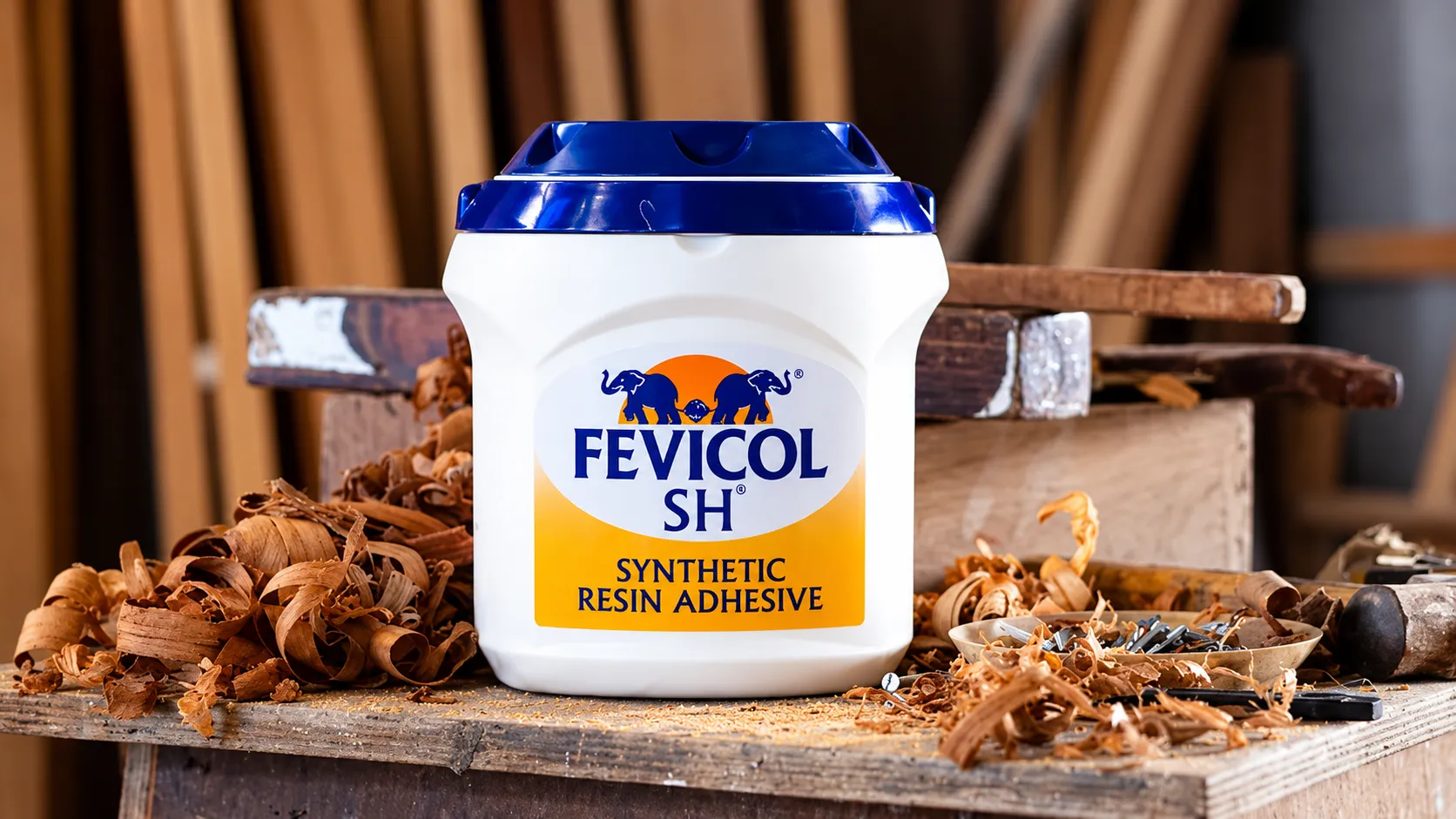
Pidilite's portfolio includes Fevicol, India's dominant wood adhesive brand, Fevikwik instant adhesive, M-Seal sealant, Dr Fixit waterproofing products and Fevicryl art materials. Fevicol has become so well known in India that its name is used generically for adhesive, and its advertising campaigns are among the most famous in Indian marketing history.

The company has built a strong distribution network reaching small hardware shops across the country and maintains close relationships with carpenters, who are key influencers in the choice of adhesives. It has also expanded into construction chemicals, a fast-growing segment as Indian construction becomes more sophisticated.
a8611d25-216f-49a4-add0-4f4ae5bb4d3c.png

Margin history

Pidilite has historically enjoyed high margins, reflecting its strong brands and market leadership. Its margins tend to fluctuate with raw material prices, expanding when input costs fall and contracting when they rise. A margin of 20.5% remains healthy by industry standards, but the slower growth in EBITDA relative to revenue suggests that the company has not yet fully passed on cost increases.

Sector context

Pidilite's results reflect broader trends among Indian consumer and industrial companies this earnings season. Many have reported solid demand but faced pressure on margins from higher commodity and energy costs. Paint companies, whose raw materials are also linked to crude oil, have faced similar challenges, with Asian Paints shares under pressure in recent weeks.

Real estate link

Pidilite's growth is closely tied to India's real estate and construction sectors. Housing sales and construction activity have been supported by urbanisation and government infrastructure spending, although high interest rates and property prices have weighed on affordability in some segments. Waterproofing and construction chemicals benefit from rising standards in building quality.


“When oil prices rise, even the glue that holds India's homes together gets more expensive to make.”
— TIGI Markets Desk

Home improvement and renovation spending, often driven by festive season purchases and weddings, also supports demand for Pidilite's products.

What it means for investors

For investors, Pidilite's results present a familiar trade-off. The company's strong brands and distribution give it pricing power and long-term growth potential, but its profitability is sensitive to crude oil prices in the short term. The stock has traditionally traded at a premium valuation reflecting its quality, which can make it vulnerable to disappointments on margins.

Investors will watch whether Pidilite raises prices further in the coming months and whether input costs stabilise.

Raw material pressure

Pidilite's main raw material is vinyl acetate monomer (VAM), a petrochemical derived from crude oil and natural gas. When oil prices rise, VAM prices typically follow, increasing Pidilite's costs. The company has historically managed such cycles by raising prices and using its strong brands to protect margins, but there is often a lag between rising costs and price increases.

With Brent crude above $100 a barrel for much of the autumn, Pidilite has faced significant input cost pressure. The 29% rise in expenses, outpacing revenue growth of 20.9%, reflects that pressure. Analysts will watch whether the company raises prices further in the coming quarters to restore margins.

Building a moat

Pidilite's success is often cited as an example of how a company can build a powerful moat in a seemingly ordinary product category. The Fevicol brand, introduced in 1959, became synonymous with adhesives in India through decades of memorable advertising and a deep distribution network reaching carpenters, contractors and retailers across the country. Pidilite has invested in relationships with carpenters and other professionals, who often decide which products to use.

The company has expanded into adjacent categories, including waterproofing, construction chemicals, sealants, art materials and DIY products, using its distribution network and brand strength to grow new businesses.

Consumer demand

Pidilite's strong revenue growth suggests healthy demand from consumers and the construction sector, despite high inflation. Demand for home improvement, furniture and waterproofing products is linked to housing activity and renovation spending, which have been supported by growth in real estate sales in recent years.

What comes next

Pidilite's margins in the December quarter will depend heavily on the path of crude oil prices and the company's pricing actions. A decline in oil prices would provide relief, while further increases could prolong the margin pressure. Demand during the festive and wedding season, typically a strong period for home improvement spending, will also be closely watched.

The long view

Despite near-term margin pressure, Pidilite's long-term growth story rests on trends that remain intact: rising incomes, urbanisation, growth in housing and home improvement, and increasing use of specialised products in construction. The company's strong brands and distribution give it the ability to pass on cost increases over time, even if there is a lag. Analysts will look at the company's commentary on pricing actions and raw material trends for signs of when margins could recover.

For long-term shareholders, Pidilite's history of recovering margins after periods of high raw material prices offers some reassurance, though the timing of any recovery will depend on the path of crude oil prices and the company's pricing decisions.

TagsPidilite IndustriesFevicolQ2 resultsadhesivesconstruction chemicalsDr FixitM-SealFMCGinput costscrude oilvinyl acetate monomermarginshome improvementreal estateconsumer demandNiftyIndian stockschemicalsrural demandinvestors

Reader reviews

Sign in to rate and review this article.
Loading reviews…
