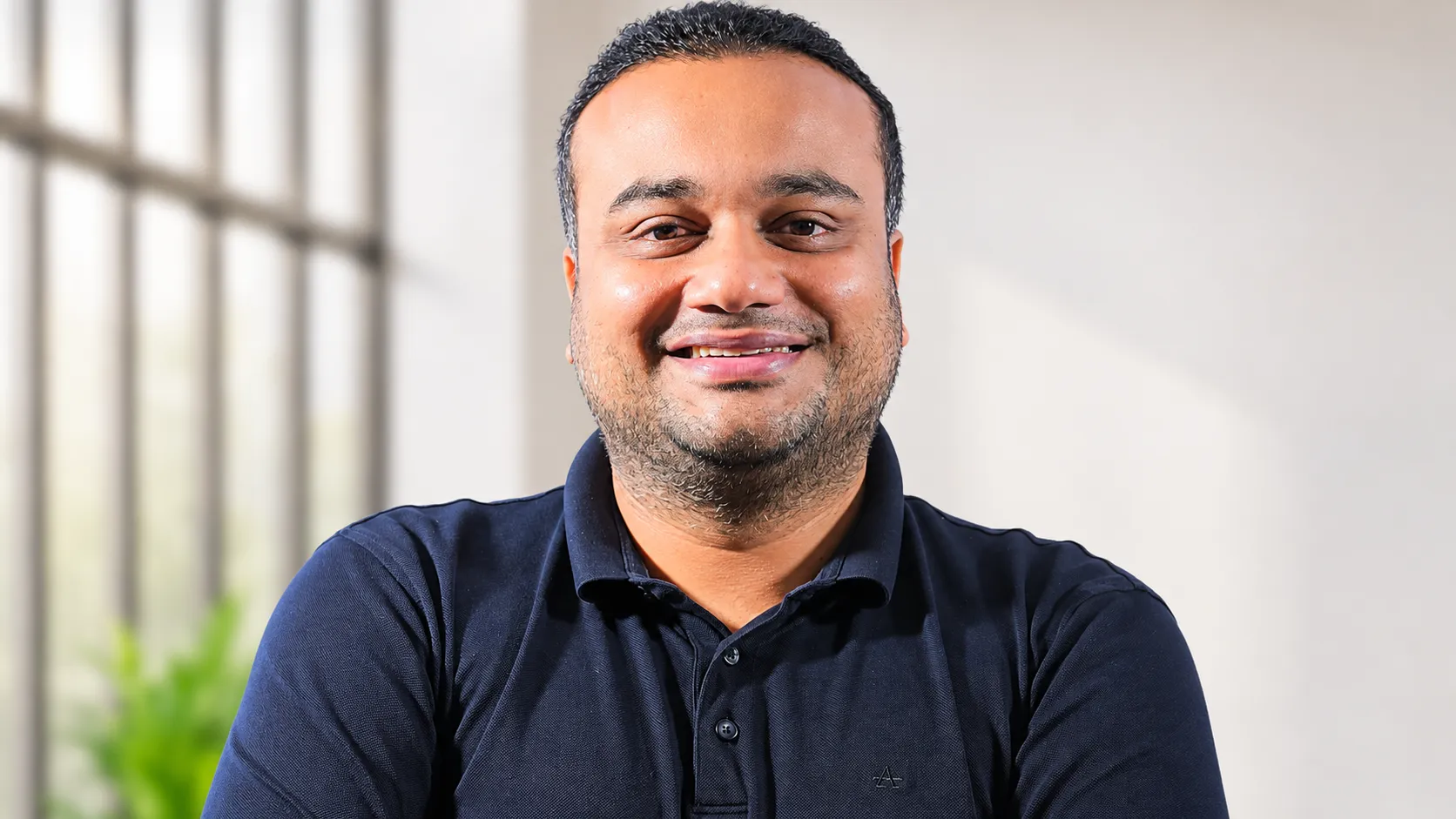
PowerUp Money, a Bengaluru-based wealth management startup that is barely a year old, has raised $10 million in a round led by Flourish Ventures. It is the latest sign that investors see a large opportunity in helping India's growing pool of first-time investors make better decisions with their money.
Existing investors Peak XV Partners, Accel, Blume Ventures and Kae Capital also took part in the round, announced on November 3, the company said. India IPO reported that the round values PowerUp Money at about $73 million.
The startup plans to use the capital to deepen its artificial intelligence-led wealth tools and expand its advisory services.
A fast start from a familiar founder
PowerUp Money was founded in 2025 by Prateek Jindal, who previously co-founded Uni Cards, the credit-card fintech that drew attention for its design-led, card-on-app products. That track record in consumer fintech has helped PowerUp attract repeat backing from some of India's most active venture investors.
The company's core offering is mutual fund advice. Rather than simply acting as a transaction platform, it focuses on guidance: helping users understand which funds suit their goals, whether existing portfolios are well constructed, and how to rebalance over time.
The traction numbers it shared are notable for a company its age. PowerUp says its paid subscription offering, PowerUp Elite, crossed one lakh (100,000) paying members within a year, and the platform serves more than 1.5 million users overall.
Why advice, not transactions, is the new battleground
India's retail investment market has transformed over the past decade. Mutual fund systematic investment plans (SIPs) have become a monthly habit for millions of households, and the number of demat accounts has surged as young investors embrace equities. Digital platforms have made it easy and cheap to buy funds and stocks, and direct plans, which carry no distributor commission, have grown in popularity.
But easy access has created a new problem. Many first-generation investors hold scattered portfolios built on social media tips, overlapping funds or products that do not match their risk appetite or goals. Professional financial advice in India has historically been either expensive and limited to the wealthy, or bundled with the sale of products, which raises conflict-of-interest concerns.
That is the gap PowerUp is targeting. By charging users directly for advice through a subscription, rather than earning commissions on products sold, the model aims to align the company's incentives with customers' outcomes. AI makes it possible to deliver personalised analysis to large numbers of users at a fraction of the cost of human advisers. Human expertise can then be layered on where judgment and trust matter most.
Regulation is an important backdrop. The Securities and Exchange Board of India (SEBI) tightly governs investment advice, with a separate framework for registered investment advisers and rules designed to separate advisory work from distribution. Platforms that want to scale advice must operate within those boundaries, which raises the bar for compliance but also offers credibility to players that get it right.

What Flourish brings
Flourish Ventures, the lead investor, is a global fintech-focused venture firm with a stated focus on improving financial health for consumers and small businesses. It has backed several Indian fintech companies and typically emphasises products that help people save, invest and manage money more effectively, not just borrow.
For PowerUp, a lead investor with that thesis offers alignment on the company's subscription-led, advice-first approach. Continued participation from Peak XV, Accel, Blume and Kae Capital suggests existing backers are confident in the company's early metrics.
The economics of paid advice
Subscription businesses in consumer finance face a familiar challenge: convincing users to pay for something they may perceive as free elsewhere. Many brokers and fund platforms offer basic research and portfolio tracking at no cost. PowerUp's ability to convert more than 100,000 users into paying members in its first year suggests a meaningful segment of investors values independent advice enough to pay for it.
The next phase will test whether that model can scale profitably. Key metrics to watch include subscriber retention after the first year, the cost of acquiring new users, and how much of the advisory process can be automated without diluting quality. AI can lower costs dramatically, but in finance, errors carry real consequences for users and regulatory consequences for companies.
A crowded but growing market
PowerUp operates in a busy field. Large investment platforms such as Groww and Zerodha dominate transactions. Wealth managers and robo-advisory startups are competing for affluent and mass-affluent customers, and banks are investing in their own digital wealth offerings. Several fintechs are also experimenting with AI-driven financial assistants.
## What investors will watch
Three numbers will define PowerUp's next year. The first is renewals: subscription businesses live or die on whether customers who paid once pay again. The second is engagement. An advisory product only builds lasting value if users act on its recommendations and keep coming back as their finances evolve. The third is the cost of acquiring customers, which in Indian consumer fintech has historically been driven up by heavy digital advertising and cashback incentives. A company that can grow mainly through word of mouth and organic channels, as advice-led brands sometimes do, will have a structural cost advantage over rivals that must pay to acquire every customer.
The opportunity remains large. India's household savings are still heavily concentrated in bank deposits, gold and real estate, and the shift towards financial assets such as mutual funds and equities is expected to continue for years as incomes rise and digital adoption deepens. A platform that earns trust early with young investors could build a relationship that lasts decades.
The funding also reflects a broader trend in Indian startup investing. Rather than chasing user numbers alone, investors are backing businesses that can demonstrate early monetisation. A company that reports more than 100,000 paying subscribers within a year of launch fits that profile.
For Prateek Jindal, the challenge is now to show that the playbook can scale from early adopters to the much larger mass of Indian savers who are just beginning their investment journey. If PowerUp can do so while staying on the right side of regulators and keeping costs in check, it could become one of the more significant names in India's next wave of wealthtech.