For consumer brands in India, the race to deliver faster has moved well beyond the big metros. Customers in Patna, Ranchi, Bhubaneswar and Guwahati now expect the same delivery speeds as shoppers in Mumbai or Bengaluru. Meeting that expectation requires inventory close to demand, and that is the logic behind supply chain company Prozo's latest expansion.
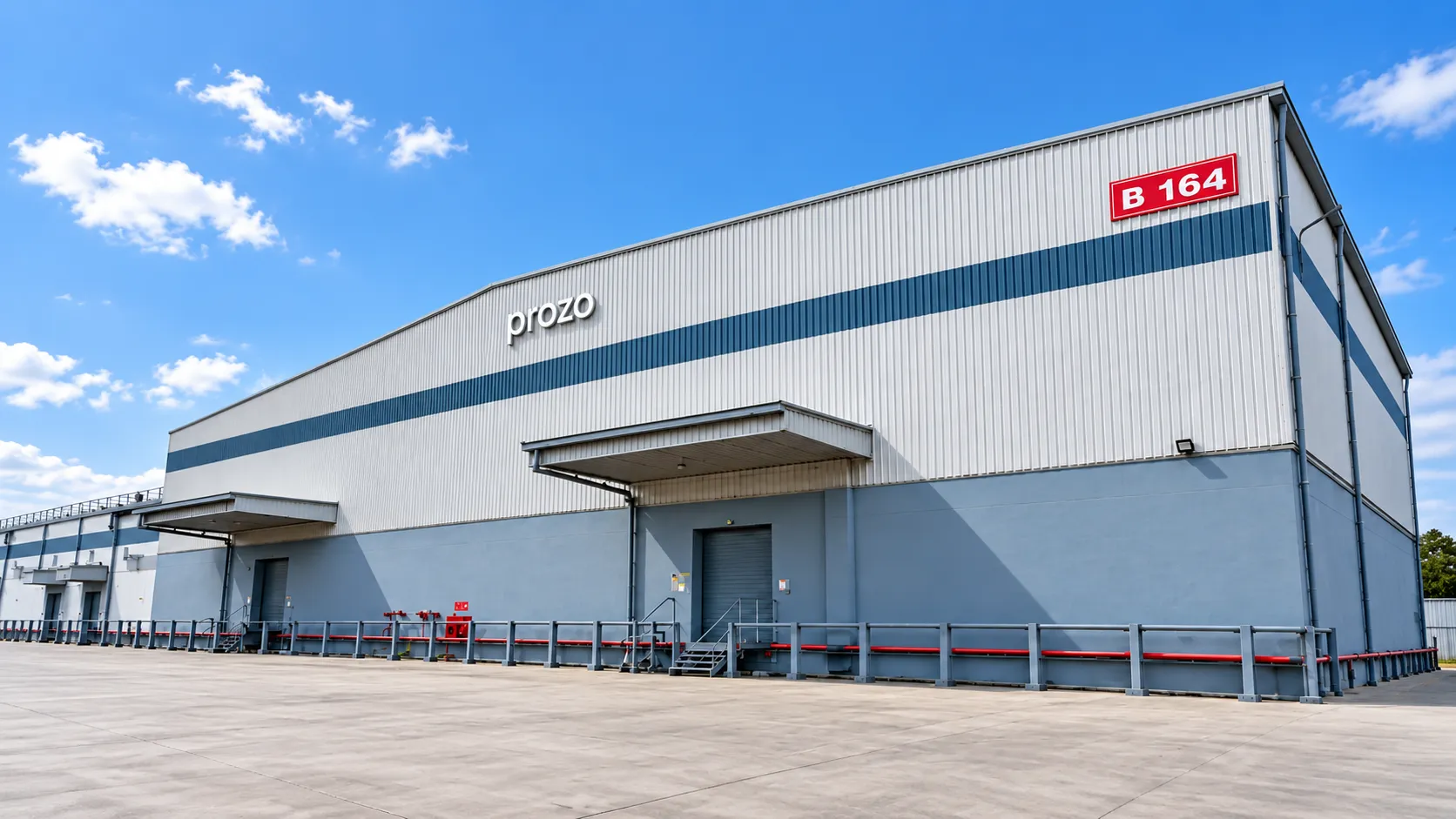
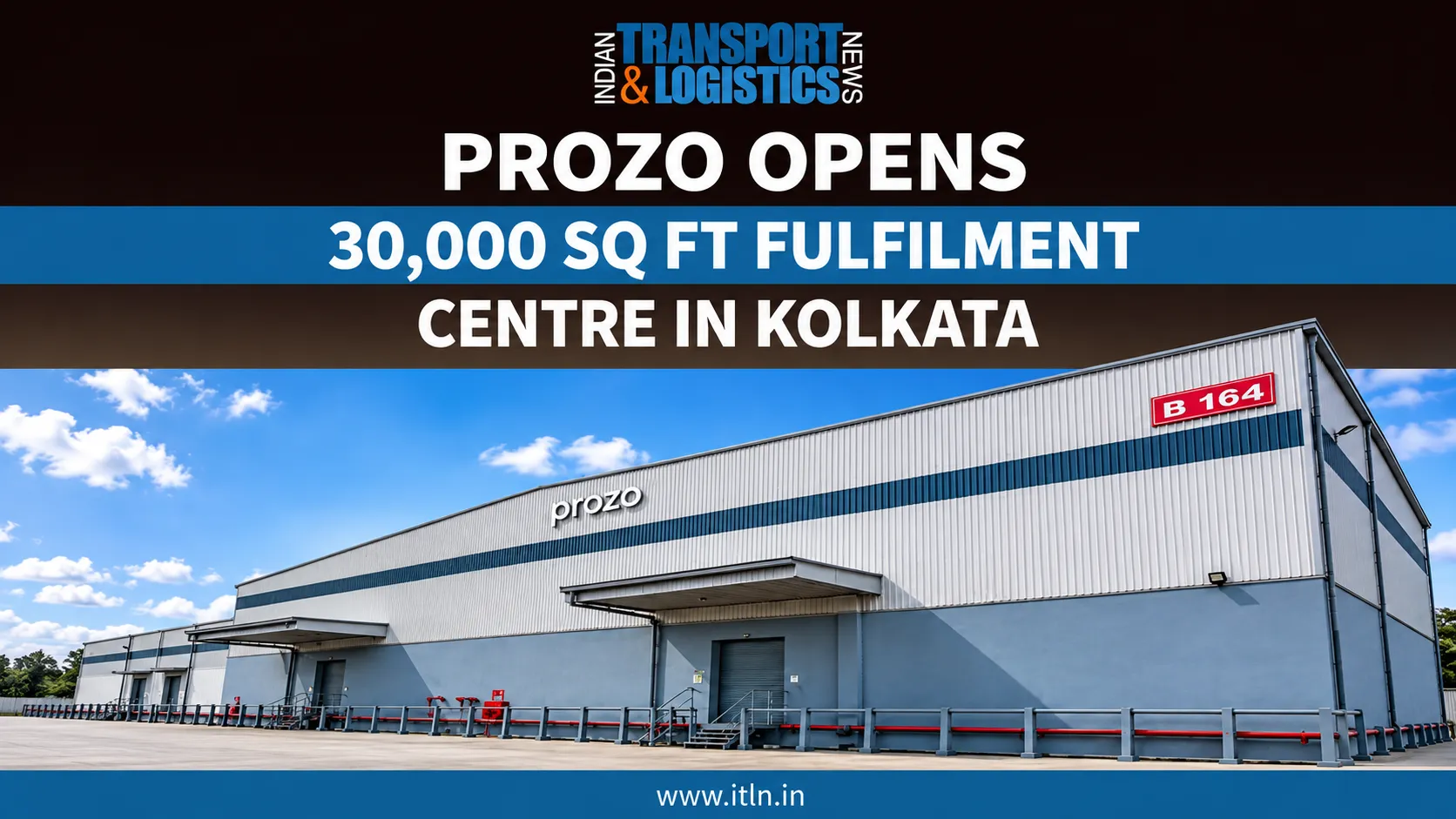
Prozo has opened a 30,000 sq ft fulfilment centre at Prospace Logistics Park in Serampore, West Bengal. The facility, announced on September 25, takes the company's Kolkata network to three fulfilment centres.
The new centre is connected to Kolkata Port, National Highways 16 and 19, and the Dankuni logistics hub. From there, Prozo aims to support distribution across West Bengal, Bihar, Jharkhand, Odisha and the north-eastern states.
Built for multiple categories
The Serampore facility will serve brands across several sectors, including fast-moving consumer goods (FMCG), fashion and lifestyle, beauty and personal care, healthcare and consumer electronics.
That mix reflects the diversity of Prozo's client base. The company works with brands including Reliance, TMRW from the Aditya Birla Group, Tira, Traya, Minimalist, Beardo and Neeman's, among others. Many of these are direct-to-consumer (D2C) brands that sell through their own websites and apps as well as through marketplaces and quick commerce platforms, which makes flexible, multi-channel fulfilment essential.
The centre runs on Prozo's proprietary technology platform, which the company calls its Control Tower. The system provides inventory visibility, order management and operational monitoring, allowing brands to track stock and orders across locations and sales channels in real time.
"As brands expand beyond the largest metropolitan markets, their supply chains need to evolve alongside them," said Dr Ashvini Jakhar, founder and chief executive of Prozo.
Why eastern India matters
Eastern and north-eastern India have historically been underserved by modern warehousing. Much of the country's organised logistics capacity has been concentrated around Delhi NCR, Mumbai, Pune, Bengaluru, Chennai and Hyderabad. As a result, orders from the east have often been fulfilled from distant warehouses, adding days to delivery times and increasing costs.
That is changing as consumption in the region grows. States such as Bihar, Odisha and Assam have large populations, rising incomes and fast-growing numbers of online shoppers. For brands, the east represents a significant untapped market, but capturing it requires local inventory.
Kolkata is the natural gateway. The city is the largest commercial centre in eastern India and has a major port, extensive road and rail links, and access to the north-east through the Siliguri corridor. Locating a fulfilment centre on the city's periphery, close to major highways and the Dankuni hub, allows brands to reach a wide area quickly while avoiding congestion in the urban core.
The network effect of fulfilment
Prozo positions itself as a full-stack supply chain company. Rather than simply renting out warehouse space, it offers brands a network of fulfilment centres, technology and operational services that together handle inventory storage, order processing, packing and dispatch.
According to the company's website, the Prozo Fulfilment Network spans more than 50 warehouses and around 3 million square feet of space across more than 15 cities, serving over 120 brands.
For brands, the advantage of such a network is flexibility. Instead of building their own warehouses in each region, they can place inventory in multiple locations close to customers and scale up or down as demand changes. Technology that provides a single view of inventory across all locations helps avoid both stock-outs and excess stock.
The quick commerce factor
Prozo's expansion also reflects the pressures created by quick commerce. Platforms promising deliveries in minutes have changed consumer expectations and forced brands to rethink their supply chains. Quick commerce companies rely on small, dense networks of dark stores, which need frequent replenishment from nearby warehouses.
For brands supplying these platforms, having fulfilment capacity close to major cities is increasingly important. A centre near Kolkata allows faster replenishment of dark stores in the city and surrounding areas, as well as faster fulfilment of marketplace and D2C orders.
Logistics as an investment theme
Warehousing and logistics have become one of India's most active infrastructure investment themes. The growth of e-commerce, the introduction of the goods and services tax, which reduced the need for state-level warehouses, and government initiatives such as the National Logistics Policy and PM Gati Shakti have encouraged investment in modern, large-format facilities.
Developers have built logistics parks near major cities, and third-party logistics companies have expanded their networks to serve brands that prefer to outsource fulfilment. Prozo's use of a facility in an established logistics park reflects that trend.
For the east in particular, improving logistics infrastructure could have wider economic benefits. Faster and cheaper distribution can help local manufacturers and sellers reach customers across the country, not only bring national brands into the region.
Challenges ahead
Expanding fulfilment networks is capital- and operations-intensive. Utilisation is the key metric: a warehouse that is only partly filled can be costly. Prozo will need to attract enough brands to the new facility to make it economically efficient.
Competition is another factor. Large third-party logistics providers, e-commerce marketplaces with their own fulfilment networks and quick commerce platforms are all expanding warehouse capacity in and around major cities. Prozo's pitch rests on offering brands a single, technology-led network across regions and channels, rather than capacity tied to one marketplace. Its ability to win and retain brands in the east will depend on how well that promise holds up in day-to-day operations.
Operational quality also matters. As brands entrust their inventory and customer experience to third-party providers, errors in picking, packing or dispatch can directly affect their reputations. Technology platforms such as Prozo's Control Tower are designed to reduce those risks, but execution on the warehouse floor remains critical.
Following the consumer east
Prozo's Serampore facility is a telling example of how India's consumer economy is spreading geographically. As demand grows in eastern and north-eastern India, brands need supply chains that can serve those customers as quickly and reliably as those in the metros.
With a third fulfilment centre in the Kolkata network, direct links to the port and national highways, and a client base spanning some of India's best-known consumer brands, Prozo is positioning itself to benefit from that shift. For shoppers in the east, the result could be faster deliveries, wider product choice and a consumer experience that increasingly matches the rest of the country.