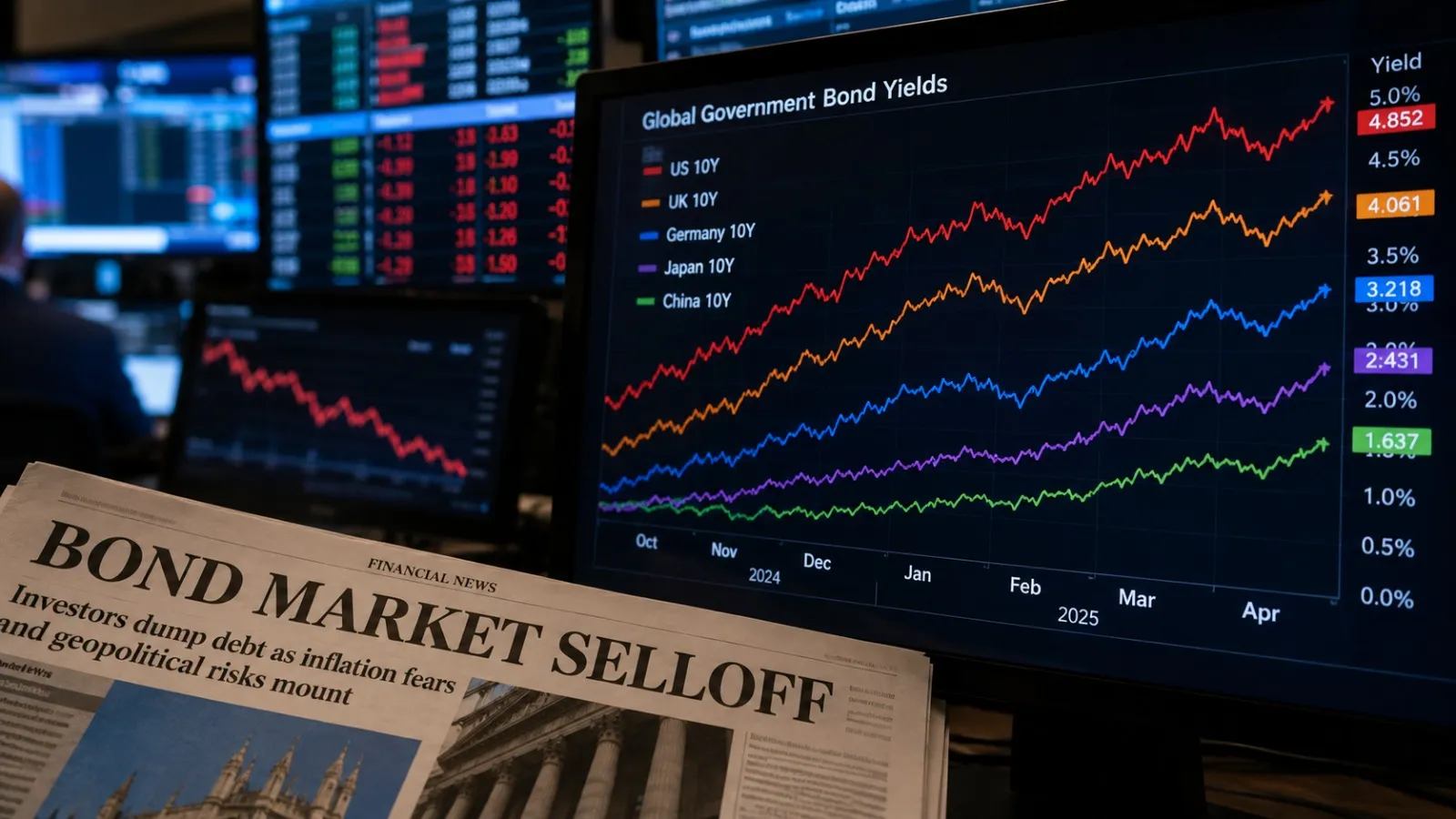
Qupital, a Hong Kong-based fintech company, has announced $300 million in combined new capital commitments, anchored by a Series C equity round and supplemented with asset-backed financing facilities from MUFG and Quester Capital. The blended structure, combining growth equity with dedicated asset-backed debt financing, reflects an increasingly common financing approach among fintech companies operating in trade finance and credit risk-adjacent categories, where the underlying business often requires access to substantial balance-sheet capital to fund the receivables or credit facilities the company extends to its customers, capital needs that pure equity financing alone would make prohibitively dilutive to raise at the scale required. The company's core business addresses credit risk assessment and trade finance facilitation, a category that sits within a broader wave of fintech infrastructure investment that has increasingly favoured companies solving specific, well-defined financial risk and infrastructure problems for business customers over more purely consumer-facing fintech applications, reflecting a maturing investor thesis that has shifted meaningfully over recent funding cycles toward businesses with clearer paths to sustainable unit economics.
MUFG's participation as a financing partner brings one of Asia's largest banking institutions directly into Qupital's capital structure, a strategic relationship that extends beyond pure financial investment to include the kind of banking infrastructure and risk management expertise that trade finance-focused fintech companies typically find valuable as they scale their underlying credit facilitation business. Large banking institutions have increasingly pursued this kind of strategic financing partnership with fintech companies operating adjacent to their core business, viewing such relationships as a way to gain exposure to fintech innovation and potentially new customer segments without the full operational and regulatory complexity of building comparable capabilities entirely in-house. Quester Capital's involvement alongside MUFG in the asset-backed financing component of the round reflects the increasingly specialised nature of capital providers within the fintech credit infrastructure space, where investors with specific expertise in structuring and pricing asset-backed financing facilities play an important complementary role alongside traditional growth equity investors focused primarily on evaluating a company's technology, team and market opportunity rather than the underlying credit risk characteristics of the specific financial assets a company's business model depends on.
The scale of Qupital's combined $300 million capital raise places the company among the larger fintech financings completed within the Asia-Pacific region during the current funding cycle, at a moment when overall fintech venture investment has grown more selective globally even as companies demonstrating clear commercial traction and defensible technology continue to attract substantial capital. Trade finance specifically has emerged as a category of particular interest to fintech investors over recent years, given the substantial addressable market represented by global trade finance activity and the significant inefficiencies that persist within traditional trade finance processes, which have historically relied on considerable manual documentation and risk assessment work that AI-driven credit risk technology increasingly promises to streamline. Hong Kong's position as a major international trade finance hub provides Qupital with a strategically advantageous home market from which to build and scale its credit risk and trade finance technology, given the city's continued role as a critical node connecting international trade flows between mainland China, broader Asia-Pacific markets and global trading partners, a positioning that has historically made Hong Kong home to a disproportionate concentration of trade finance expertise and infrastructure relative to the city's overall size.
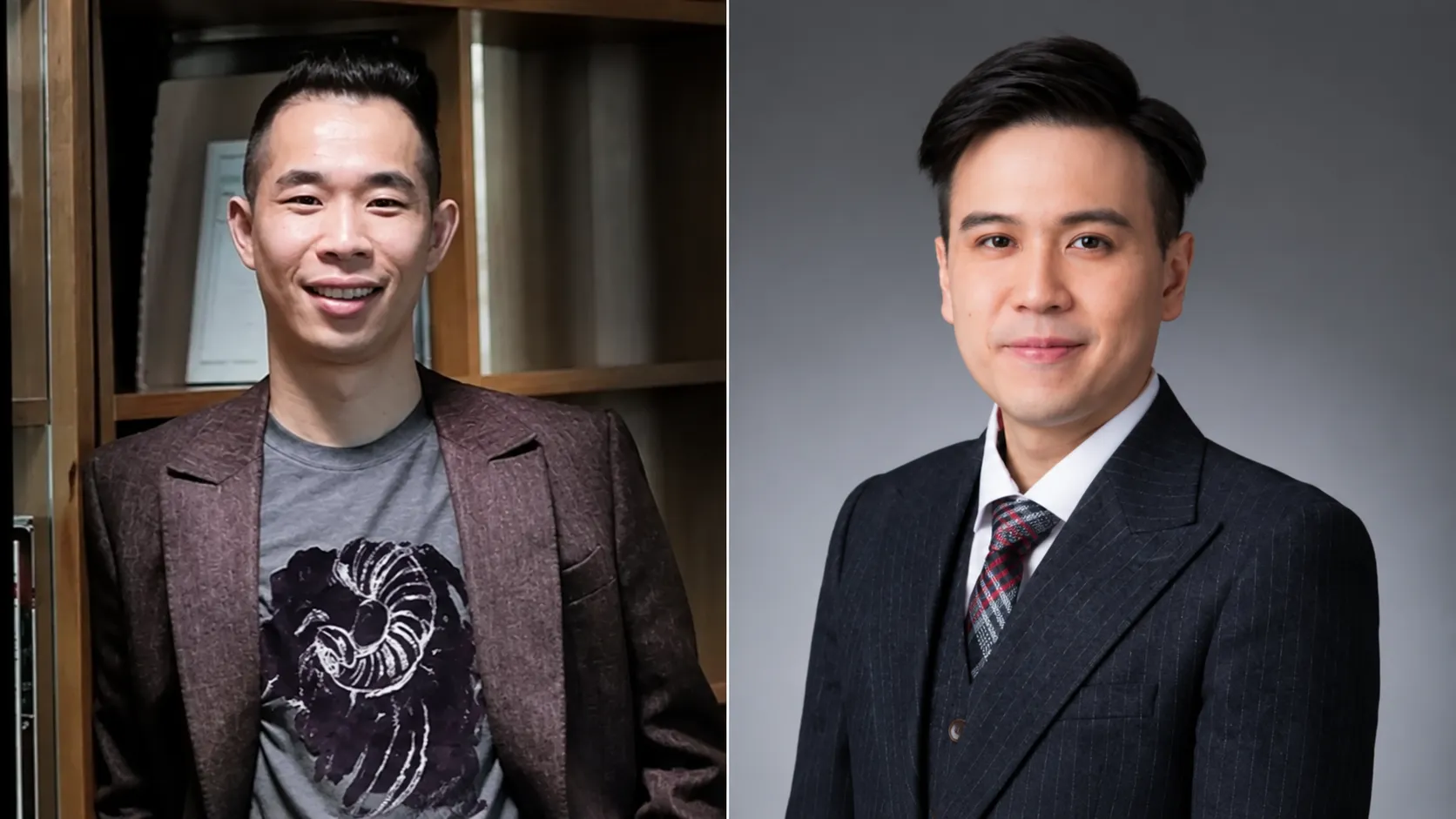
As Qupital deploys its newly raised combined capital, the company's priorities will likely include both continued technology development to sharpen its AI-driven credit risk assessment capabilities and expansion of the asset-backed financing capacity needed to scale the actual trade finance facilitation volume the company can support for its business customers, a dual mandate that distinguishes fintech infrastructure companies like Qupital from pure software businesses, given the direct balance-sheet capital requirements inherent in facilitating trade finance transactions at meaningful scale. For the broader Asia-Pacific fintech investment landscape, Qupital's substantial combined raise adds to a growing body of evidence that investors remain willing to commit significant capital to fintech infrastructure companies solving specific, well-bounded financial risk and process inefficiency problems, even as broader fintech investment sentiment has moderated from the more expansive funding environment that characterised the sector's earlier growth cycles, a distinction that increasingly separates well-capitalised, differentiated fintech infrastructure companies like Qupital from the broader field of fintech startups still working to establish comparable investor conviction in their underlying business models. Qupital's technology platform reportedly applies machine learning models trained on extensive historical trade finance and receivables data to generate more accurate and considerably faster credit risk assessments than traditional manual underwriting processes typically achieve, a capability that has become increasingly valuable to small and medium-sized trading businesses that have historically struggled to access adequate trade finance capacity through traditional banking channels given the smaller transaction sizes and less established credit histories that frequently characterise this customer segment relative to the large multinational trading companies that traditional trade finance banking has historically prioritised. The broader Asia-Pacific trade finance technology landscape has attracted a growing number of well-funded competitors over recent years, meaning Qupital's substantial new capital raise will likely be deployed partly toward defending and extending its competitive position against both established banking incumbents building their own digital trade finance capabilities and a growing field of venture-backed fintech challengers pursuing similar AI-driven trade finance and credit risk assessment technology across the broader region. Qupital's leadership has indicated plans to expand its geographic coverage beyond its current core markets following this raise, with Southeast Asia identified as a particular near-term priority given the region's substantial trade finance volumes and comparatively underserved small and medium-sized business segment relative to more mature trade finance markets. Qupital's existing customer base reportedly spans several thousand small and medium-sized trading businesses across its core markets, a scale of customer relationships the company says provides the proprietary transaction data needed to continuously refine its AI-driven credit risk models, creating a data advantage that becomes more difficult for newer competitors to replicate as the customer base and associated data volume continues growing. Qupital's leadership has also flagged plans to deepen integration with regional banking partners beyond MUFG, an expansion of its financing partner network intended to further increase the asset-backed capital available to support growing transaction volume.