A young Bengaluru startup is taking an unusual route to international expansion: rather than heading first to Silicon Valley, it is partnering with a Japanese company to enter one of the world's largest and most demanding enterprise software markets.
QwikBuild, an enterprise AI startup, has raised $2.3 million in a pre-seed round led by Globalway, a Tokyo-listed Japanese company, according to StartupTalky on Wednesday, October 28. Blume Ventures, Marsshot and DeVC also participated.
Angel investors include Lalit Keshre, co-founder and chief executive of investment platform Groww, and Ankit Nagori, co-founder of fitness company Cure.fit.
A Japanese joint venture
As part of the deal, QwikBuild will form a joint venture with Globalway to enter the Japanese market. Joint ventures are a common route for foreign companies entering Japan, where local partners can provide market knowledge, customer relationships and help navigating business practices.
Japan is one of the world's largest markets for enterprise software and IT services, but it is known for being difficult for foreign companies to enter because of language, culture and customer expectations. Many Japanese companies are also seeking to modernise their technology systems and adopt AI, creating opportunities for providers that can meet their needs.
What QwikBuild does
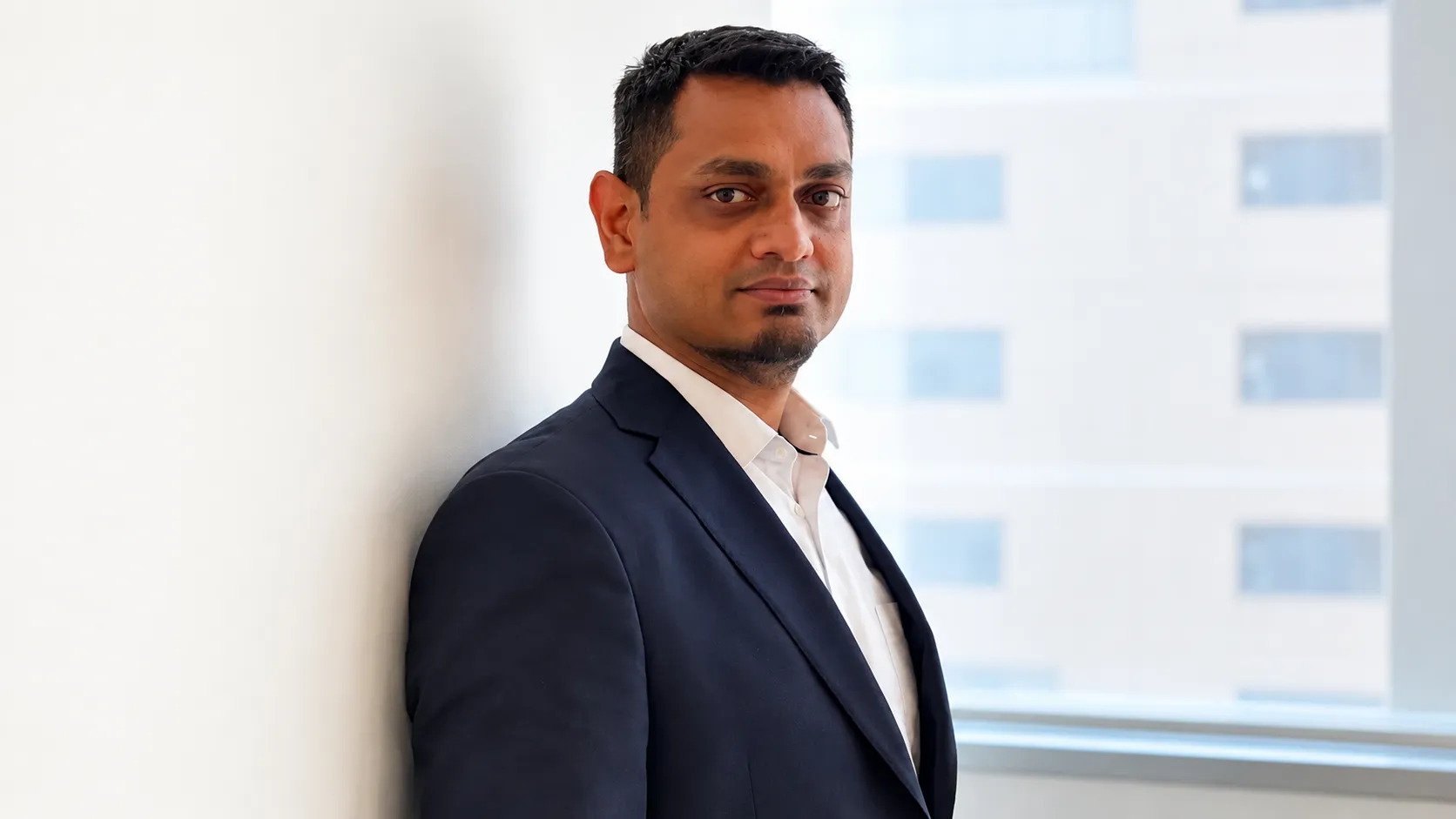
QwikBuild, founded by Pradeep Ayyagari, focuses on enterprise AI, helping companies build and deploy AI-powered applications. Startups in this space typically aim to make it faster and cheaper for businesses to develop software and automate processes using AI, including AI agents that can carry out tasks.
The company is at an early stage, and the pre-seed funding will support product development and initial market expansion.
The investors
Blume Ventures is one of India's most active early-stage venture capital firms, with investments across consumer, enterprise and deep-tech startups. DeVC is an early-stage fund backed by Dutch Ventures, and Marsshot invests in early-stage technology companies.
The participation of angel investors such as Keshre and Nagori, both successful founders, adds credibility and access to networks. Founder-angels often provide practical advice on scaling, hiring and fundraising.
India-Japan technology ties
The deal reflects growing technology and business ties between India and Japan. Japanese companies have increased investment in Indian startups, and Japan faces a shortage of software engineers, making Indian technology talent attractive. Indian IT companies have long had a presence in Japan, and the two governments have promoted cooperation in digital technology and startups.
Japanese corporate investors, including trading houses, technology companies and banks, have backed Indian startups in sectors from fintech to logistics. Globalway's lead role in QwikBuild's round adds to this trend.

The enterprise AI opportunity
Enterprise AI is one of the most competitive areas in technology. Large companies such as Microsoft, Google, Salesforce and ServiceNow are investing heavily in AI agents and tools for businesses, and many startups are competing to build specialised products.
For a young startup, focusing on a specific market such as Japan, where language and localisation matter, can be a way to differentiate from larger global competitors. Japanese enterprises often prefer solutions tailored to their business practices and supported by local partners.
Indian startups going global
QwikBuild is part of a wave of Indian startups building products for international markets from the outset. While many Indian software-as-a-service companies have focused on the United States, some are targeting other markets, including Japan, Europe, the Middle East and Southeast Asia, where competition may be less intense.
Japan's digital transformation
Japan has been pursuing a national push for digital transformation, often referred to as DX, aiming to modernise ageing IT systems and improve productivity. The government has warned that many Japanese companies rely on legacy systems that are costly to maintain and difficult to adapt, and that failure to modernise could cost the economy significantly. At the same time, Japan's ageing population and shrinking workforce make automation increasingly important.
These pressures create demand for AI tools that can help companies develop software faster and automate business processes. However, Japanese enterprises are known for careful decision-making and high expectations for quality and support, which means that building trust takes time. A local partner such as Globalway can help a foreign startup navigate these expectations.
The founder and the team
QwikBuild's founder, Pradeep Ayyagari, leads a team building tools for enterprises. Startups at the pre-seed stage are typically small, with a core team of engineers and founders focused on building the initial product and winning early customers. The backing of experienced investors and angels can help them recruit talent and refine their strategy.
Lessons from earlier India-Japan partnerships
Indian IT services companies such as Tata Consultancy Services, Infosys and Wipro have long operated in Japan, though the market has historically represented a smaller share of their revenue than the United States or Europe. Language barriers and differences in business practices have been significant challenges. More recently, Japanese companies have shown greater interest in working with Indian technology firms, and several Japanese corporations have set up development centres in India. Startups such as QwikBuild are exploring whether AI can help bridge some of these gaps, for example through better translation and localisation tools.
What comes next
QwikBuild will use the funding to build its product and establish its joint venture with Globalway. Its progress in Japan will be watched as a test of whether Indian AI startups can succeed in one of the world's most challenging enterprise markets with the help of local partners.
Why pre-seed rounds matter
Pre-seed rounds of $2.3 million are larger than was typical in India a few years ago, reflecting investor willingness to back experienced founders in AI from the very beginning. Early-stage funding in India has become more competitive, with venture firms launching dedicated funds for very early startups. For founders, raising a larger pre-seed round can provide more time to build a product and find market fit before raising a seed or Series A round.
The cross-border structure of QwikBuild's deal, with a Japanese lead investor and a joint venture, is relatively unusual for such an early-stage company and could become a model for other Indian startups seeking to enter Asian markets through strategic partners.
For the wider Indian startup ecosystem, a successful entry into Japan by QwikBuild would demonstrate that Asian markets beyond India can offer significant opportunities for Indian AI companies, encouraging others to consider strategic partnerships with Japanese corporations as a route to growth.