DiasporaCampus6 MIN READ

Indian American AI Scholar Ravi Bapna Named Dean of Santa Clara University's Business School

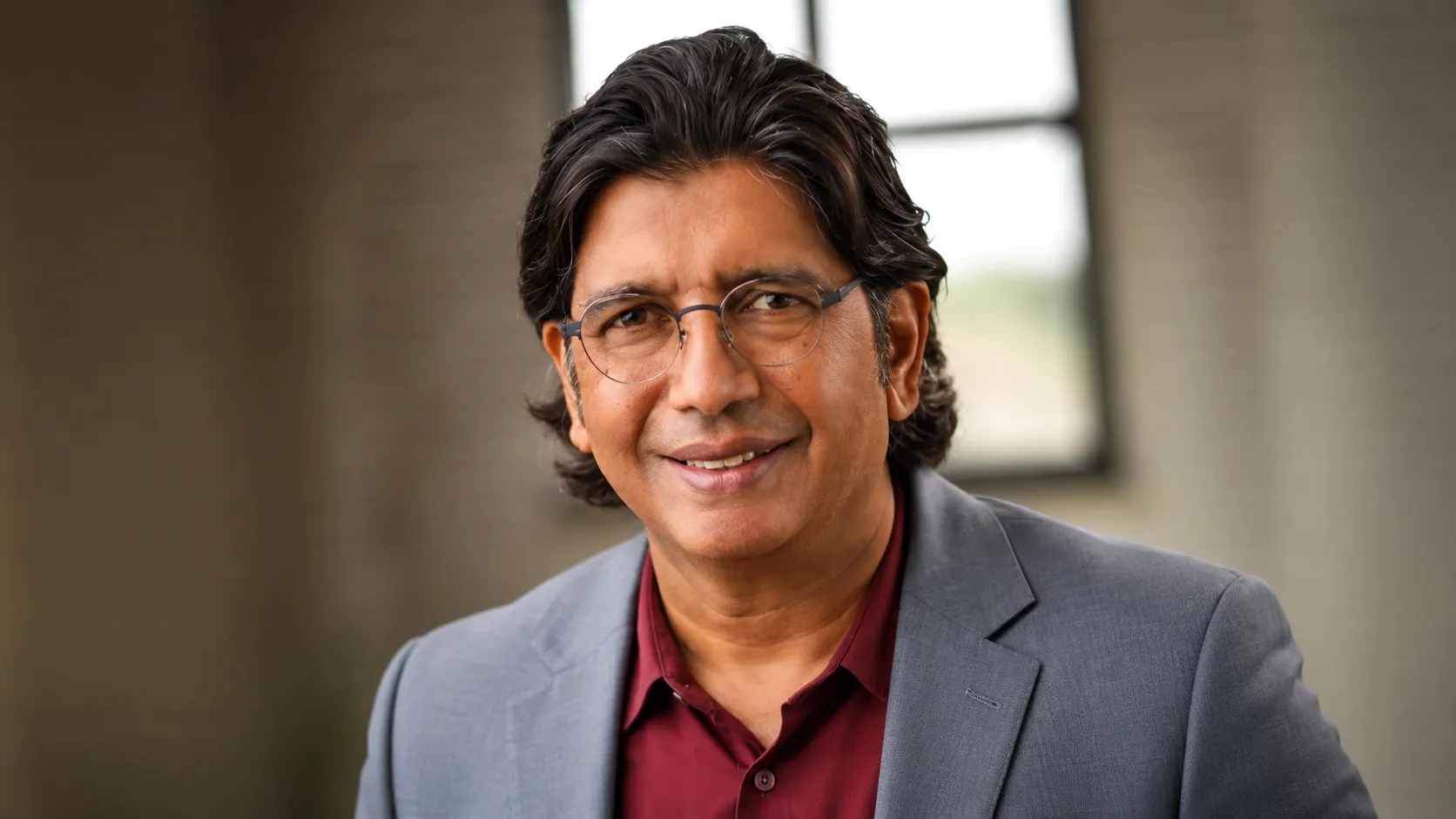
Ravi Bapna, a pioneering Indian American scholar in artificial intelligence and business analytics, has been named Dean of Santa Clara University's Leavey School of Business, tasked with deepening the school's ties across Silicon Valley and global markets.

By Aravind Kumar · Author19 August 2026New
Indian American AI Scholar Ravi Bapna Named Dean of Santa Clara University's Business School

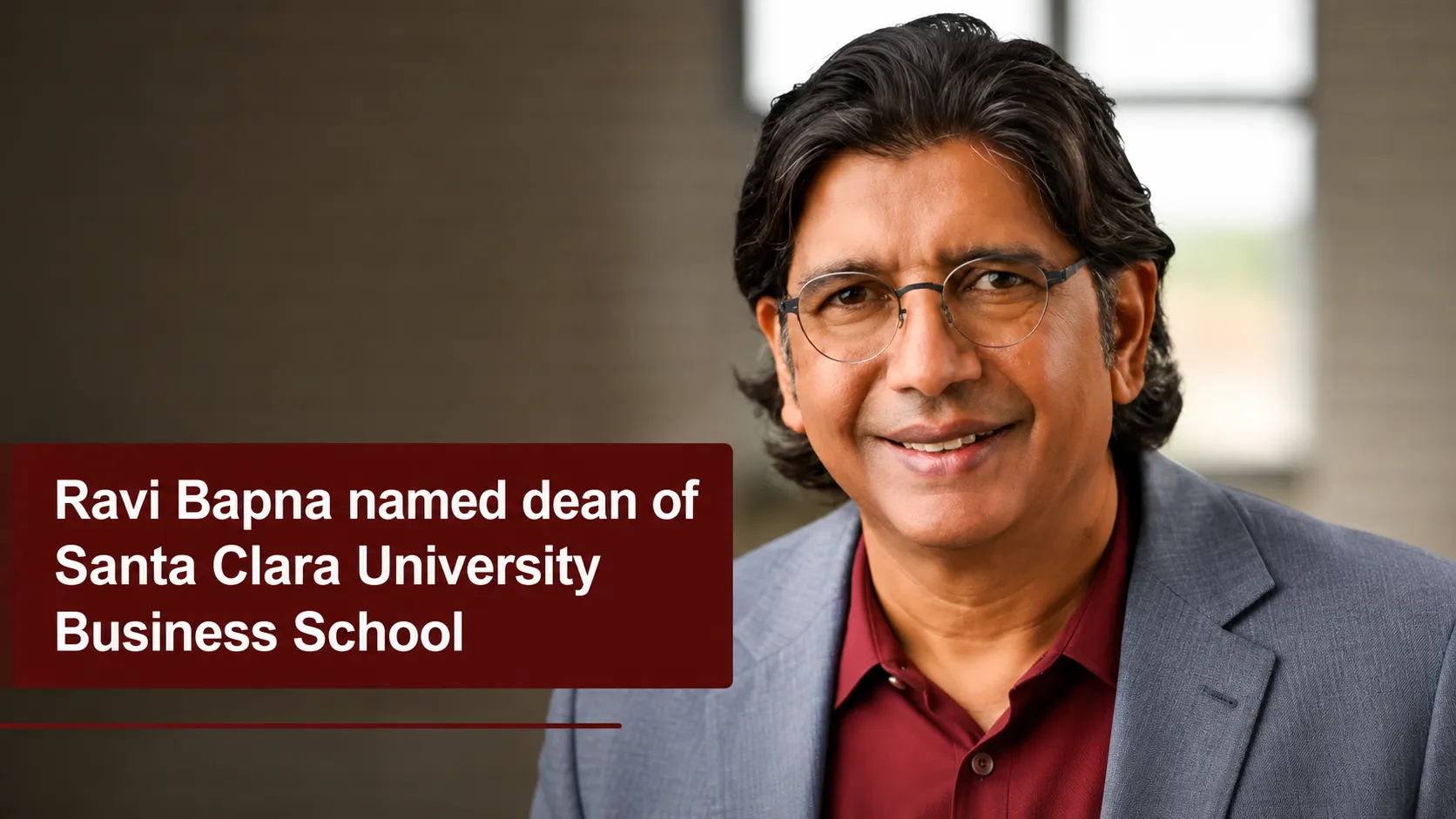
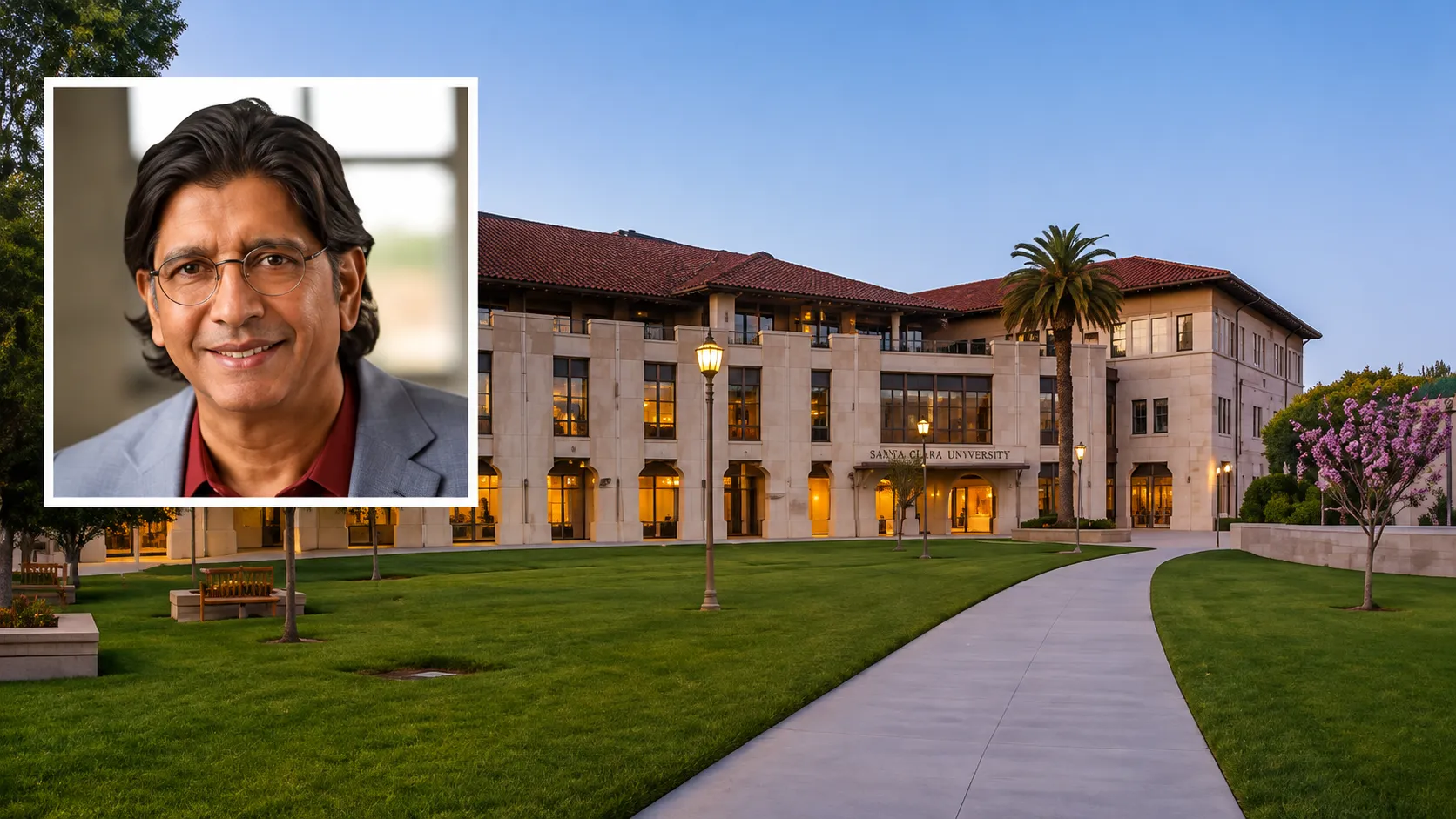
Santa Clara University has appointed Ravi Bapna, a widely cited Indian American scholar in artificial intelligence and business analytics, as the new Dean of its Leavey School of Business. The appointment, announced August 18, 2026, places Bapna at the helm of one of Silicon Valley's most closely watched business schools at a moment when universities across the United States are racing to redefine what management education looks like in an AI-saturated economy. For the Indian American academic community, the appointment adds another name to a growing roster of Indian-origin scholars now shaping how American universities teach, research and commercialise emerging technology.

Bapna's career has spanned both the analytical rigor of applied economics and the practical demands of enterprise AI adoption, a combination that Santa Clara's board cited as central to its decision. He arrives with a track record of building academic programmes that bridge classroom theory and boardroom practice, an increasingly valuable skill set as business schools nationwide face pressure to prove their relevance in a job market being reshaped by generative AI.

Santa Clara University's Leavey School of Business occupies a distinctive position in American higher education: nestled in the heart of Silicon Valley, it has long positioned itself as a bridge between rigorous academic training and the venture-backed technology economy that surrounds its campus. The university's decision to recruit Bapna reflects a broader recalibration underway at business schools across the country, many of which have struggled to keep pace with how quickly artificial intelligence has reshaped the skills employers now expect from MBA and undergraduate business graduates.
ChatGPT Image Aug 19, 2026, 01_08_59 PM.png

Colleagues and former students describe Bapna as a scholar who has consistently pushed business analytics beyond theoretical modelling into applied, industry-facing research, a reputation Santa Clara's leadership say was decisive in the selection process. His mandate as dean includes expanding the school's strategic partnerships across Silicon Valley's technology ecosystem, a region where Indian-origin executives already occupy an outsized share of senior leadership roles at companies ranging from Alphabet and Microsoft to a wide swath of venture-backed AI start-ups.

The appointment continues a pattern that has become increasingly visible across elite American universities in 2026: Indian-origin academics moving into senior leadership positions at business, engineering and computer science schools, particularly those with close ties to the technology industry. Observers of the Indian American diaspora note that this shift reflects both the maturation of a generation of scholars who came to the United States for doctoral study in the 1990s and 2000s, and the growing recognition among university boards that leaders with deep technical fluency in AI are now essential to running a competitive business school.

Bapna's global research network, built over decades of collaboration with institutions in India, Europe and East Asia, is also expected to factor into Santa Clara's ambitions to expand its footprint beyond the United States. University administrators have signalled interest in deepening academic exchange and research partnerships with Indian institutions, an area where deans with strong personal and professional ties to India are seen as particularly valuable. Bapna's appointment arrives as several American universities, including Santa Clara's regional peers, have separately announced expansion plans into the Indian market itself, part of a broader wave of American and British institutions establishing satellite campuses and research partnerships across Indian cities.
Universities that want to remain relevant in an AI-driven economy need leaders who understand both the classroom and the boardroom — that combination is exactly what this appointment reflects.
Santa Clara University, faculty statement

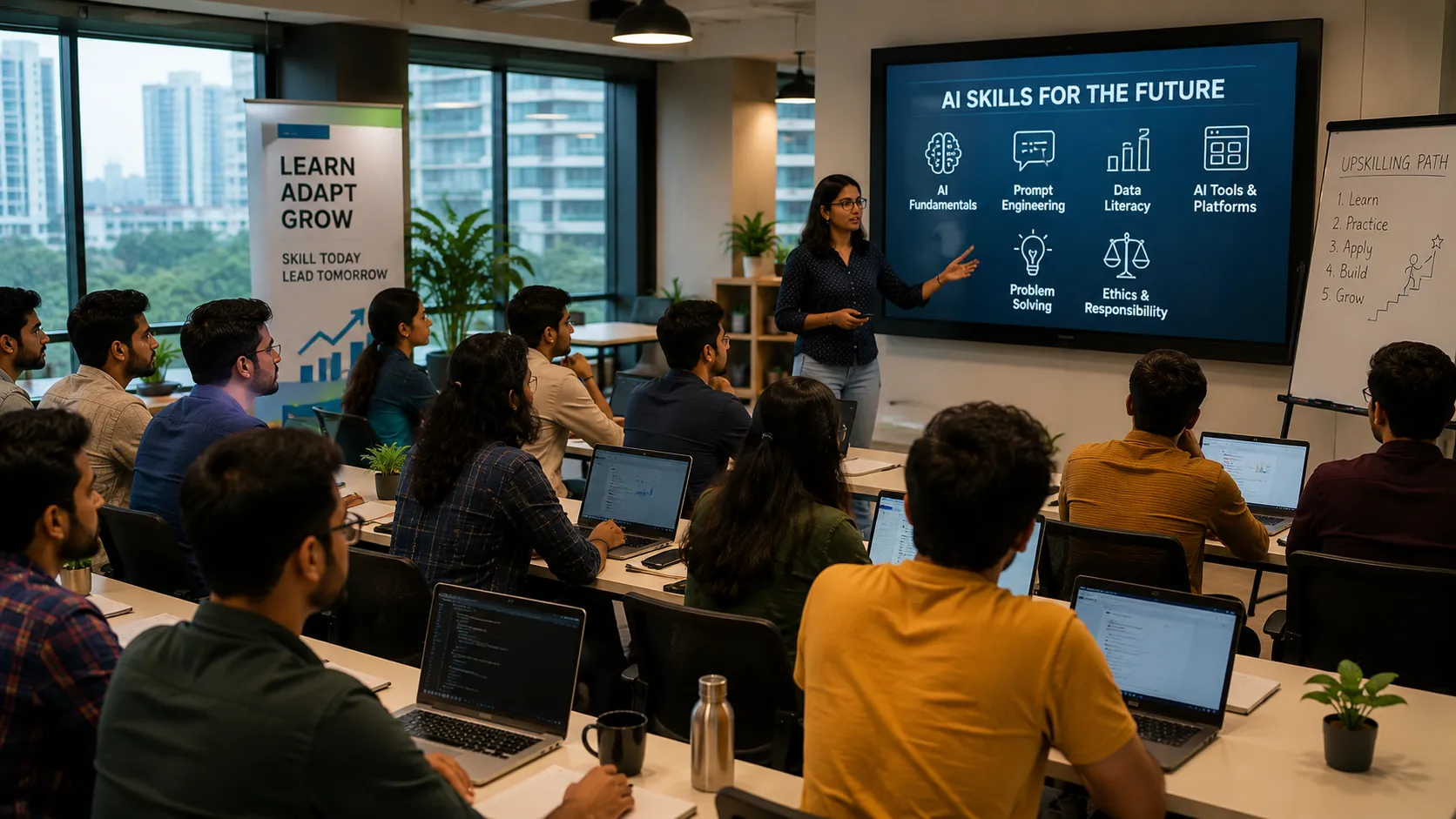
The appointment also lands amid a broader national conversation about how American business schools should restructure themselves for an AI-native economy, one in which employers increasingly expect graduates to arrive with fluency in machine learning applications rather than treating AI as an elective specialisation layered atop a traditional curriculum. Santa Clara's board has signalled that Bapna's mandate includes a comprehensive review of core curriculum requirements, with early indications suggesting the school will expand mandatory coursework in applied AI, data ethics and algorithmic decision-making across all degree programmes rather than confining such training to specialised tracks.

For the Indian diaspora more broadly, appointments of this kind carry significance beyond the individual institution involved. They reinforce a decades-long trajectory in which Indian-origin academics, once concentrated primarily in engineering and computer science departments, have steadily expanded their presence into university leadership, business school deanships and provost-level roles across American higher education. Community organisations tracking Indian American academic achievement point to this expanding footprint as evidence of the diaspora's deepening institutional influence, distinct from but complementary to its well-documented presence in Silicon Valley's executive suites.

Bapna's own academic contributions have centred on the intersection of data-driven decision-making and organisational strategy, research that has taken on renewed relevance as companies across every industry grapple with how to responsibly integrate AI into core business functions. His appointment is expected to accelerate Santa Clara's efforts to build curriculum and research centres specifically focused on applied AI governance and enterprise deployment, areas where demand from both students and corporate partners has grown sharply over the past two years.

University administrators say they expect the appointment to accelerate fundraising and corporate partnership activity, given Bapna's extensive existing relationships across Silicon Valley's technology and venture capital community built over decades of applied research collaboration. Several current corporate partners of the Leavey School of Business have publicly welcomed the appointment, citing Bapna's track record of translating academic research into frameworks companies can practically apply to AI governance and deployment challenges.

ChatGPT Image Aug 19, 2026, 01_12_30 PM.png

As Santa Clara's Leavey School of Business enters a new chapter under Bapna's leadership, the appointment will be watched closely both within American higher education and across the Indian diaspora as a marker of how deeply Indian-origin scholars have embedded themselves in shaping the next generation of business education. With Silicon Valley's technology ecosystem continuing to set the pace for how AI reshapes global commerce, the university's bet on a dean fluent in both academic rigor and industry practice reflects a broader institutional recognition that business education itself is being remade — and that scholars with Bapna's profile are increasingly central to leading that transformation.

As Santa Clara moves forward under Bapna's leadership, the broader Indian American academic community will be watching closely to see whether his appointment translates into concrete expansion of India-focused research partnerships and student exchange programmes, areas where Silicon Valley's business schools have historically lagged behind their engineering counterparts in building substantive institutional ties.

TagsRavi BapnaSanta Clara UniversityIndian AmericanDeanBusiness SchoolAIUSA

Reader reviews

Sign in to rate and review this article.
Loading reviews…