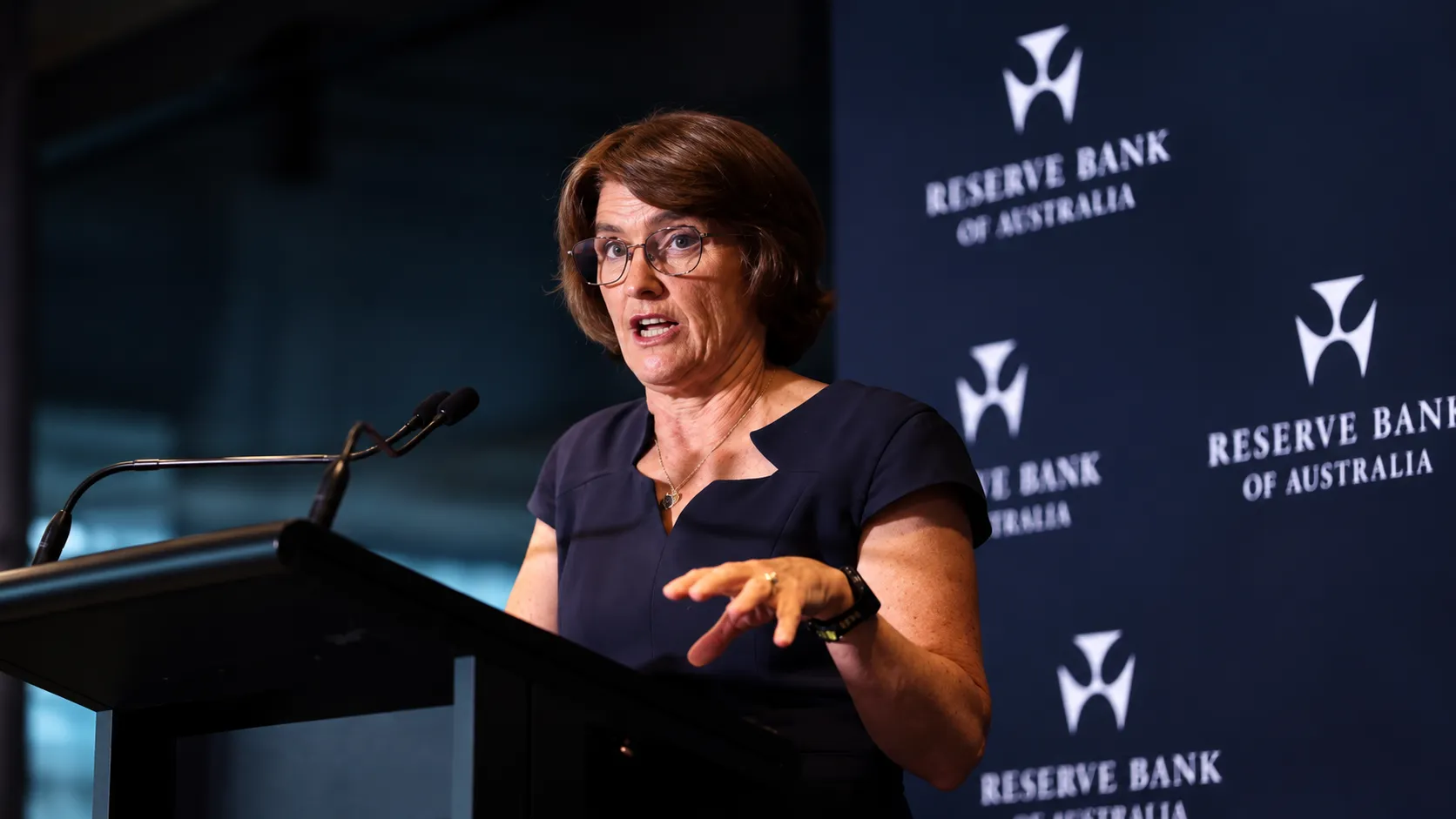
The Reserve Bank of Australia raised its benchmark interest rate by 25 basis points to 4.60% on 29 September 2026, taking borrowing costs to their highest level since 2011 and signalling that it is prepared to tighten further to prevent inflation from becoming entrenched.
The decision by the central bank's nine-member Monetary Policy Board was unanimous and widely expected. It marks the fourth rate increase of 2026, bringing total tightening this year to 100 basis points. The new rate takes effect on 30 September.
"Inflation remains elevated and some of the upside risks flagged in August are materialising," the board said in its statement. It pointed to a broadening conflict in the Middle East that has pushed global energy prices well above the assumptions in its August forecasts, rapid growth in global prices for technology-related goods driven by AI demand, and continued pressure on domestic capacity.
What drove the decision
The board's statement set out a clear case for acting now. Since its previous meeting, it said, further disruptions to global oil supply had occurred, and recent data suggested that growth and inflation in Australia had been higher than expected. Higher fuel prices had partly passed through to the prices of other goods and services, adding to inflationary pressure already present from strong domestic demand.
Business liaison conducted by the central bank indicated that firms were experiencing cost pressures and were either raising prices or planning to do so. Short-term measures of inflation expectations remained elevated, a particular concern for central banks, which fear that if households and businesses come to expect persistently high inflation, they will behave in ways that make it self-fulfilling.
"The Board remains focused on ensuring that high inflation does not become embedded," the statement said. To achieve that, growth in aggregate demand "needs to remain subdued for a period to reduce capacity pressures and bring inflation back to target."
The reference to AI-related demand driving up global prices for technology goods was notable. It reflects how the global rush to build AI infrastructure, with surging demand for chips, memory, servers and related equipment, has begun to feature in central bank analysis of inflation, alongside more traditional drivers such as energy and labour costs.
A synchronised global tightening
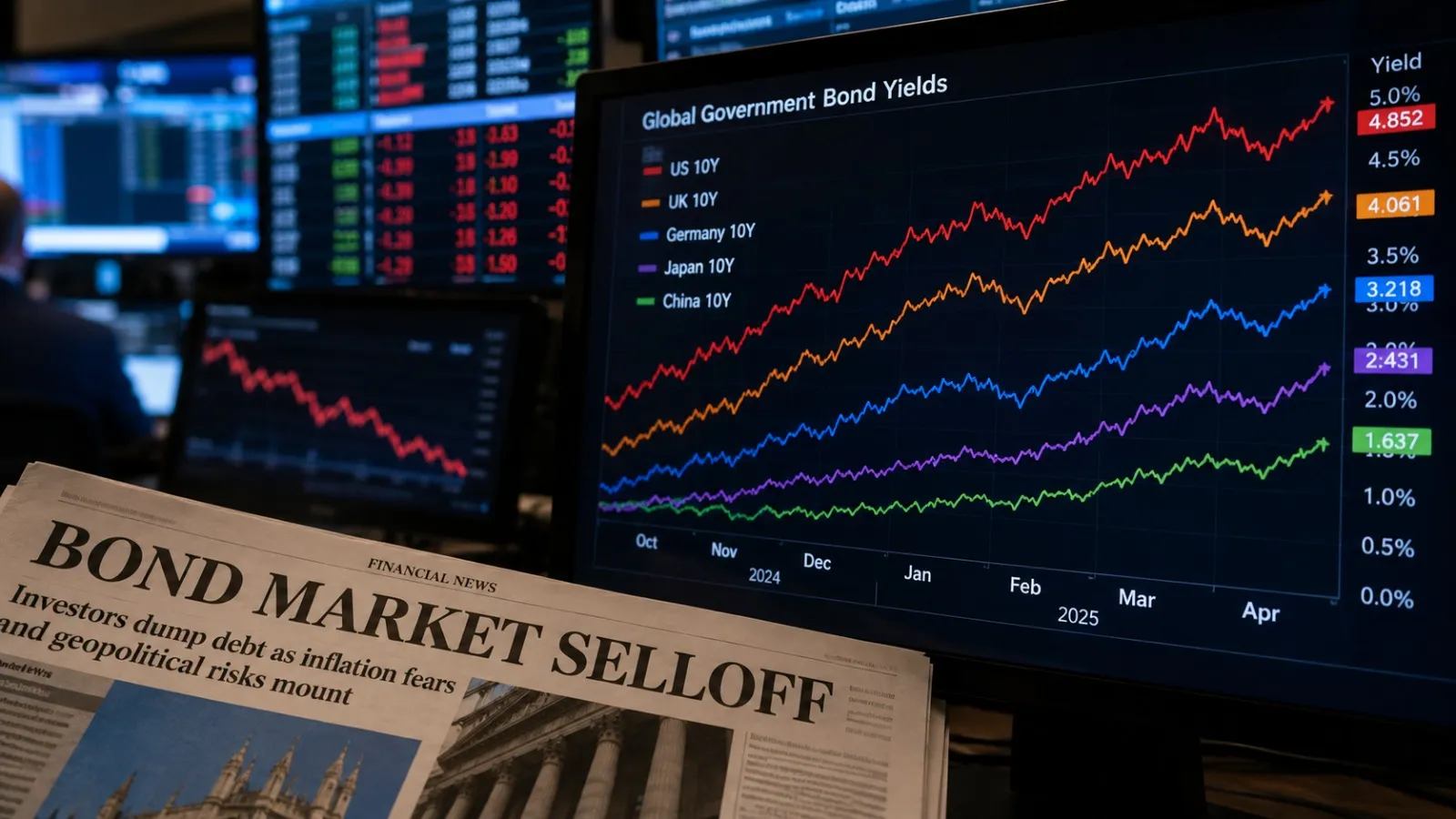
The RBA's move is part of a broader shift among major central banks toward tighter policy. The US Federal Reserve, the European Central Bank and the Bank of Japan have all raised rates recently in response to price pressures stemming from the conflict in the Middle East and higher energy costs. Reports have suggested that the Bank of Japan could raise rates again as soon as October.
That synchronisation marks a sharp change from the easing cycle that many economists had expected for 2026. The energy shock, with Brent crude trading around or above $100 a barrel in recent weeks, has forced policymakers to prioritise inflation control even as growth slows in some economies.
Impact on Australian households
The rate increase will add to pressure on Australian households, many of whom hold large variable-rate mortgages. Australia has one of the highest levels of household debt relative to income in the developed world, making its economy particularly sensitive to changes in interest rates.
Major lenders moved quickly to pass on the increase. Macquarie Bank, Australian Mutual Bank and Teachers Mutual Bank were among those announcing 25-basis-point increases to variable home loan rates on the day of the decision, and the big four banks also moved to lift their home loan rates.
Treasurer Jim Chalmers acknowledged the strain on households. "We know a lot of Australians are under pressure and this will make things harder," he wrote on X. "Inflation and interest rates are going up around the world but we know that doesn't take the sting out of today's decision."
Will the RBA go further?
The board did not rule out additional increases. Its hawkish tone left markets considering the possibility of another hike at its next meeting on 3 November. Before the decision, ANZ had forecast rate increases in both September and November, which would take the cash rate to 4.85%. Commonwealth Bank had flagged the risk of a second hike if third-quarter trimmed mean inflation came in at 1% or higher, while NAB and Westpac had expected a single increase for now.
The upcoming release of third-quarter consumer price index data in late October will therefore be critical. A strong reading would increase the likelihood of a November move, while signs of easing inflation could allow the central bank to pause.
## The currency and market reaction
Financial markets had largely priced in the decision before it was announced, limiting the immediate reaction. Attention quickly turned to the board's guidance on future moves. A hawkish statement that leaves the door open to further increases tends to support the Australian dollar, since higher interest rates make assets denominated in the currency more attractive to investors, although the currency's path also depends on commodity prices and global risk sentiment.
Australian equities, particularly interest-rate-sensitive sectors such as real estate, retail and banks, face a more complex outlook. Higher rates can squeeze consumer spending and property values, while banks may benefit from wider lending margins but face greater risk of loan defaults if households struggle with repayments. Investors will be watching retail sales, housing credit and business investment data closely in the coming months for signs of how quickly the tightening is working through the economy.
What it means beyond Australia
For global investors, the RBA's decision reinforces the picture of a world in which the fight against inflation has resumed. Higher interest rates across major economies raise borrowing costs for businesses and governments, weigh on equity valuations and can strengthen currencies of countries with rising rates relative to those that are holding steady.
For India, the global tightening cycle carries several implications. Higher rates abroad can draw capital away from emerging markets, adding to the pressure already created by sustained foreign portfolio selling in Indian equities this year. Elevated oil prices affect India directly, as the country imports most of its crude, influencing inflation, the current account and the rupee. The Reserve Bank of India will weigh these external pressures carefully as it sets its own policy.
Australia is also an important economic partner for India, with growing trade under the two countries' economic cooperation agreement and a large Indian diaspora. Higher Australian interest rates will affect Indian-origin households and students there, as well as businesses operating across both markets.
Above all, the RBA's move is a reminder that the global economy remains hostage to energy markets and geopolitics. Until the conflict in the Middle East eases and oil supply stabilises, central banks from Canberra to Washington are likely to keep inflation, rather than growth, at the top of their agenda.