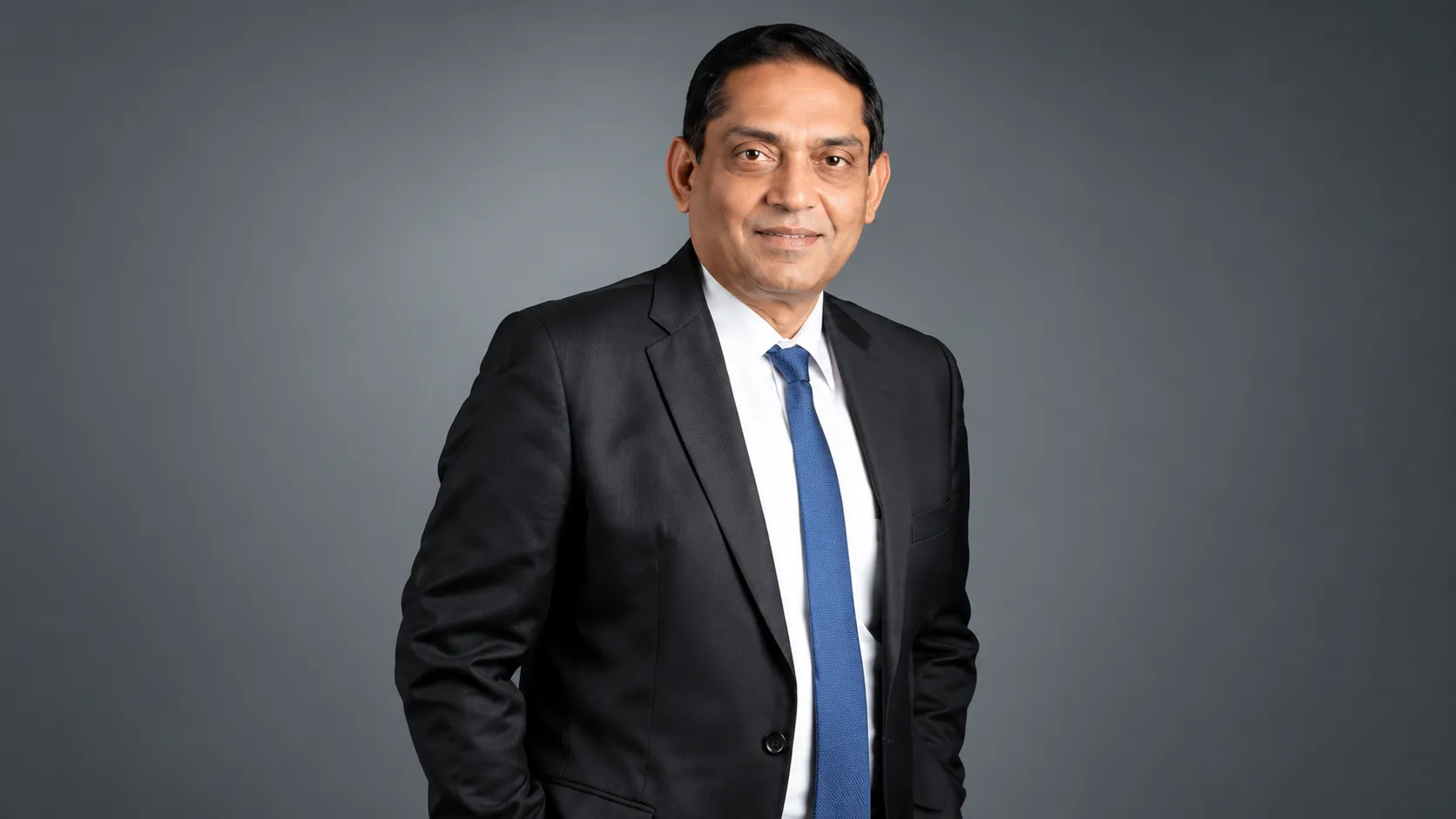
The Reserve Bank of India has appointed Sudhakar Malli as an Executive Director, elevating a veteran bank supervisor to its senior leadership at a time when the central bank is sharpening its scrutiny of lenders and managing a difficult economic backdrop.
The appointment took effect on 1 October 2026, the RBI said in an announcement reported on 2 October. In his new role, Malli will look after the Department of Supervision, with responsibility for supervisory assessment.
Before his promotion, Malli was Chief General Manager-in-Charge of the Department of Supervision. He is a career central banker with about three decades of experience, more than 25 years of which have been spent supervising banks, non-banking financial companies and cooperative banks. He also has about five years of supervisory experience in overseas jurisdictions and has worked in currency management.
Malli holds a B.Tech in mechanical engineering and is a Certified Associate of the Indian Institute of Bankers.
The appointment is a continuity choice. Rather than bringing in an outsider, the RBI has promoted the official who was already running the supervision department, signalling that it intends to maintain the direction of its supervisory approach.
Why supervision matters now
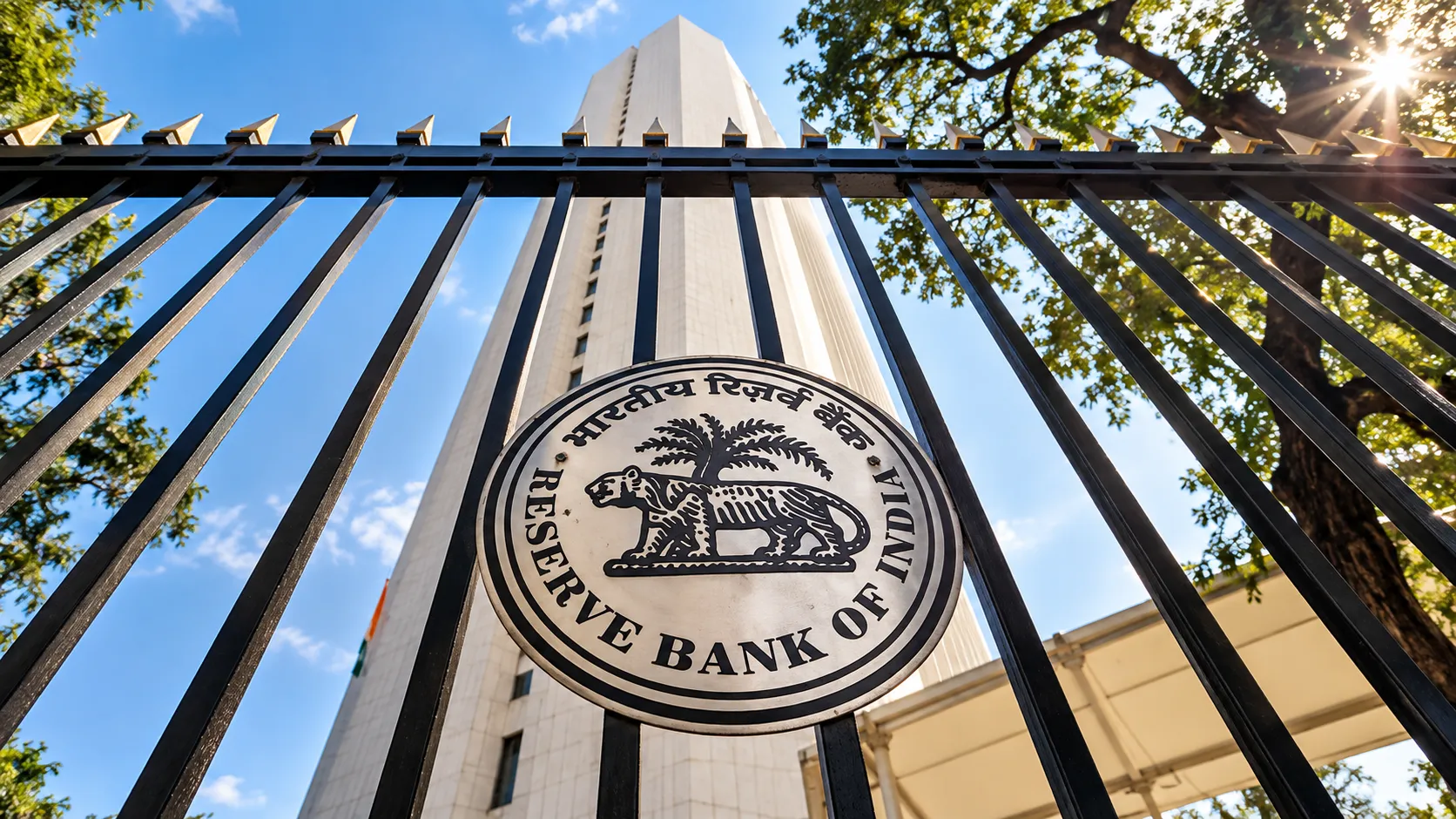
Supervision is where a central bank's rules meet the reality of individual balance sheets. While regulation sets the standards that lenders must follow, supervision is the work of checking whether they actually do, through inspections, off-site monitoring, stress tests and, when necessary, enforcement action.
The RBI restructured this function in 2019, creating a unified Department of Supervision covering commercial banks, urban cooperative banks and non-banking financial companies, rather than supervising each type of institution separately. The aim was to take a more consistent, risk-focused view across the financial system, recognising that problems in one segment can quickly spread to others.
That integrated approach has been tested repeatedly. India's financial system has grown more complex, with large NBFCs that rival mid-sized banks in size, fintech partnerships that blur the line between regulated and unregulated activity, and a long tail of small cooperative banks with uneven governance. Failures in cooperative banks, in particular, have caused hardship for depositors and prompted the RBI to tighten oversight of the sector.
An executive director overseeing supervisory assessment plays a central role in deciding where the central bank should focus its attention: which institutions show early warning signs, which business models need closer examination and when supervisory concerns should translate into restrictions or penalties.
A demanding backdrop
Malli takes up the role at a delicate moment for the Indian economy and its financial system. Inflation has proved stubborn this year, driven in part by high global energy prices, and economists polled by Business Standard expect the RBI's Monetary Policy Committee may raise its benchmark repo rate by 25 basis points at its October meeting. Higher interest rates can strain borrowers, especially in unsecured retail lending and among smaller businesses, making early detection of stress more important.
Banks have also faced specific pressures. Recent reports said Indian commercial banks incurred about $500 million in foreign exchange trading losses after the RBI imposed stricter $100 million net open position limits, forcing them to unwind positions quickly. Episodes like this underline how supervisory and regulatory decisions interact with market conditions.
At the same time, the credit landscape is changing rapidly. Digital lending, co-lending between banks and NBFCs, and embedded finance offered through consumer platforms have expanded access to credit but also created new risks around underwriting, data use and customer protection. Fintech lender Moneyview's successful listing on 1 October is one sign of how far digital credit has moved into the mainstream.
The role of an RBI Executive Director
Executive directors form the senior management tier of the RBI, below the governor and deputy governors. Each typically oversees a portfolio of departments and contributes to the central bank's internal decision-making on policy, regulation and operations. Appointments are usually made from within the RBI's ranks, rewarding officials with long experience in specific functions.
Malli's background, combining domestic supervision, overseas supervisory exposure and currency management, is typical of the specialist profiles the RBI tends to elevate. His international experience may be particularly relevant as Indian banks expand overseas operations and as global standards on capital, liquidity and climate-related financial risks continue to evolve. ## Lessons from recent interventions
The RBI's supervisory record over recent years shows both the reach and the limits of oversight. In January 2024, the central bank barred Paytm Payments Bank from accepting new deposits after persistent compliance concerns, a decision that forced one of India's best-known fintech brands to restructure its business. In February 2025, it imposed restrictions on Mumbai's New India Co-operative Bank and superseded its board after discovering serious irregularities, leaving depositors facing withdrawal limits.
Episodes like these show the RBI's willingness to act forcefully when it identifies problems. They also highlight a recurring challenge: by the time supervisory concerns become public, damage has often already been done. Strengthening early detection, through better data, more frequent off-site monitoring and closer scrutiny of governance, is one of the main tasks facing the Department of Supervision. An official who has spent most of his career inside that department will be expected to know where the blind spots lie. The appointment also comes as the RBI prepares for its October monetary policy meeting, where inflation and growth will dominate deliberations. While monetary policy and supervision are separate functions, they are closely linked: tighter policy can expose weaknesses in lenders' books, and a well-supervised banking system gives the central bank more freedom to act on interest rates without fearing financial instability.
What to watch
For the banking industry, the key question is whether the RBI's supervisory stance becomes stricter, looser or simply more predictable. Lenders have generally welcomed clear communication, even when standards are demanding, because uncertainty about regulatory expectations can make it harder to plan capital and growth.
Areas likely to remain in focus include the quality of unsecured retail loans, governance at cooperative banks, the growing interconnectedness between banks and NBFCs, cyber resilience and the conduct of fintech partnerships. As the RBI continues to use technology in supervision, including data analytics to spot anomalies earlier, the department Malli oversees will be at the centre of that shift.
For depositors, borrowers and investors, much of this work happens out of sight. Good supervision is noticed mainly when it fails. The appointment of an experienced insider suggests the RBI is betting on continuity and expertise to keep it that way.